

Table of Contents
- Understanding IPL Photofacial
- Benefits of IPL Photofacial
- The IPL Procedure: What to Expect
- Safety and Potential Side Effects
- Professional Treatment vs. At-Home Devices
- Who Can Benefit from IPL Photofacial?
- Maintaining Results Post-Treatment
- Conclusion
Dramatic Results
Intense Pulsed Light (IPL) photofacials are rapidly transforming the way dermatologists and individuals address stubborn skin concerns. Known for being non-invasive and highly effective, IPL treatments can revitalize skin appearance without the need for surgery or significant downtime. Whether you are targeting sun damage, redness, or signs of aging, IPL offers a versatile solution backed by science and used by top skincare experts. Learn more about IPL photofacial benefits and why this treatment is gaining traction among those seeking clearer, brighter skin.
Modern skin care incorporates advanced technologies such as Intense Pulsed Light (IPL), which rejuvenates the skin through broad-spectrum light. IPL photofacials contribute to an even skin tone and enhance collagen production, resulting in a smoother, more youthful appearance. Growing awareness has led to more clients seeking these treatments for their fast, low-downtime results when performed under professional supervision in clinics and medspas. IPL is particularly effective for addressing sun damage and age spots, reducing redness, and supporting overall skin health, often yielding significant improvements after just a few sessions. The versatility of IPL positions it as a vital component of routine skin maintenance and anti-aging treatments. This article offers a detailed overview of IPL photofacials, exploring their mechanisms, the procedure, and practical advice for optimizing results, helping clients assess their suitability for personalized skin care.
Understanding IPL Photofacial
Unlike laser treatments that use a single wavelength of light, IPL photofacials deploy a range of wavelengths, allowing them to treat multiple conditions in a given session. The IPL device emits pulses of light into the skin, targeting pigmentation, redness, and vascular lesions beneath the surface. This process breaks up unwanted pigment and stimulates collagen production, which is critical for maintaining healthy, youthful skin. The versatility of IPL means a single procedure can address sun-induced damage, irregular pigmentation, rosacea, and even subtle textural concerns.
Benefits of IPL Photofacial
There are numerous reasons patients and dermatologists favor IPL treatments:
- Sun Damage and Age Spot Reduction: By targeting pigment at the source, IPL effectively fades visible sun spots and hyperpigmentation.
- Improved Texture and Elasticity: Increased collagen production leads to firmer, more resilient skin over time.
- Redness Reduction: IPL is particularly effective for those experiencing facial redness and visible capillaries due to conditions like rosacea.
- Convenient, minimal downtime: Most people can resume day-to-day activities immediately after an appointment, making it ideal for those with active lifestyles.
Several published studies support IPL’s effectiveness for a wide range of skin concerns. For instance, Harvard Health Publishing details how these treatments are used with impressive results for sunspots and spider veins.
The IPL Procedure: What to Expect
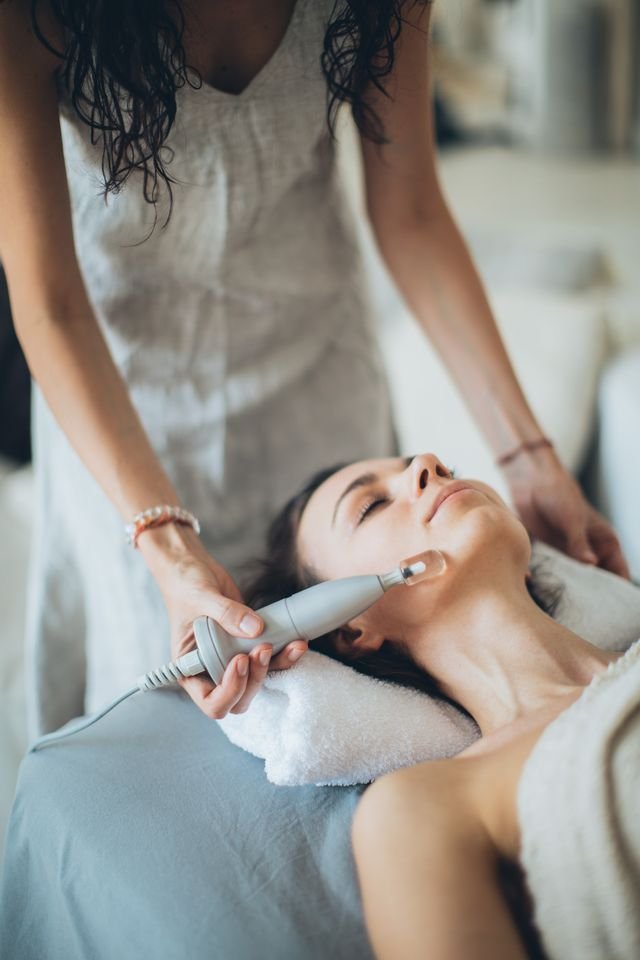
An IPL session generally takes about 30 minutes. During the procedure, a handheld device is gently pressed against the skin, sending pulses of light to target pigment and vascular imperfections. Patients often feel a mild snap or sting, which most liken to a rubber band flicking the skin. Immediately after the session, it is common to experience redness and mild warmth, similar to a light sunburn, which typically subsides within hours. For best results, dermatologists usually recommend a series of 3 to 6 treatments, spaced about a month apart.
Post-treatment aftercare is essential. Patients are advised to avoid direct sun exposure and to use broad-spectrum sunscreen diligently to help preserve results and prevent new pigmentation. Following your provider’s aftercare guidelines will help you achieve the best results.
Safety and Potential Side Effects
When performed by a licensed, experienced provider, IPL photofacials have a strong safety profile. The most common side effects include brief redness, swelling, and darkening of treated spots before they flake away. Most effects resolve within one to two days. Although IPL is generally safe, patients with darker skin tones may be at a higher risk of pigment changes. A qualified provider will always assess an individual’s candidacy before proceeding to minimize risks or suggest alternative therapies.
According to Harvard Health Publishing, consulting a board-certified dermatologist is the best way to ensure IPL is appropriate for your skin type and concerns.
Professional Treatment vs. At-Home Devices
The popularity of IPL has led to a range of at-home devices now available to consumers, but these are markedly less powerful than professional machines used in clinics. Professional IPL treatments use devices that are calibrated to each patient’s unique skin needs, ensuring better, safer results. In-clinic sessions also allow professionals to adjust settings according to progress and skin response, further reducing the risk of complications. While at-home options may offer some benefits for lighter concerns, they generally cannot match the efficacy or safety of professional treatment.
Who Can Benefit from IPL Photofacial?
IPL is most beneficial for people with light to medium skin tones who are struggling with sun damage, pigmentation, redness, or early signs of aging. Individuals with fair skin and mild to moderate discoloration often see particularly impressive improvements. However, it is unsuitable for people with very dark or tanned skin due to the risk of uneven pigmentation. Anyone considering IPL should consult a board-certified dermatologist or skincare expert to determine if this procedure is right for their specific skin concerns and type.
Maintaining Results Post-Treatment
Maintaining IPL results is simple with the right habits. Regular sun protection is crucial for preserving even skin tone and preventing new pigmentation. An effective skincare routine, including gentle cleansers, hydrating moisturizers, and antioxidant serums, will support ongoing skin health. Your provider may recommend touch-up sessions every 6 to 12 months to continually enhance and maintain your results.
Conclusion
IPL photofacials represent a significant advancement in skin rejuvenation, enabling people to address multiple concerns non-invasively with minimal downtime. With benefits from diminishing sun damage and pigmentation to improving skin texture and clarity, IPL is a versatile solution for those seeking lasting improvements in skin quality. By selecting an experienced provider and following recommended post-treatment care, you can enjoy the dramatic beauty results IPL offers for years to come.