


Maintenance Tips for a Luxury Property
Maintaining a luxury property requires consistent attention to detail and a proactive approach. High-end homes often feature premium materials, advanced technology, custom finishes, and sophisticated amenities. Therefore, regular inspections can help protect these valuable investments. Creating a seasonal maintenance schedule also makes it easier to address small concerns before they become expensive repairs.
Exterior maintenance should remain a top priority for every luxury property. Inspect the roof, gutters, drainage systems, windows, landscaping, and exterior finishes regularly. Beautiful landscaping also requires ongoing care, including tree trimming, irrigation checks, and seasonal planting. A well-maintained exterior protects the property while preserving its impressive curb appeal.
Luxury properties often include advanced systems that require professional servicing. Smart home technology, climate control systems, security features, pools, spas, and generators should receive regular inspections. Scheduling preventative maintenance can help ensure these systems operate efficiently. Additionally, working with qualified professionals protects sophisticated equipment and helps extend its lifespan.
Interior surfaces and finishes also deserve specialized care. Natural stone, hardwood flooring, custom cabinetry, marble, and high-end appliances require proper cleaning methods. Using unsuitable products can cause permanent damage or reduce the appearance of expensive materials. Therefore, homeowners should follow manufacturer recommendations and hire specialists when necessary.
Finally, preventative maintenance remains one of the smartest ways to protect a luxury property. Addressing minor leaks, cracks, electrical concerns, or appliance issues quickly can prevent larger problems later. Keeping detailed maintenance records also helps homeowners track repairs and servicing. With consistent care and professional attention, a luxury property can remain beautiful, functional, and valuable for many years.
How To Avoid Termites
Buying or maintaining a property involves more than checking its appearance. A home or commercial building may look well-maintained on the surface while hiding problems that can become expensive over time. This is why a professional pest inspection is an important part of property ownership. It helps identify current pest activity, signs of previous infestations, and conditions that could attract pests in the future.
Whether you are purchasing a new home, selling a property, or simply protecting your investment, It can reveal structural concerns, moisture issues, and maintenance problems that might otherwise remain unnoticed. A real estate agent Fairfax buyers trust can recommend a professional pest inspection to uncover hidden issues such as termites, wood-destroying insects, or signs of an active infestation that may not be obvious during a standard home showing.
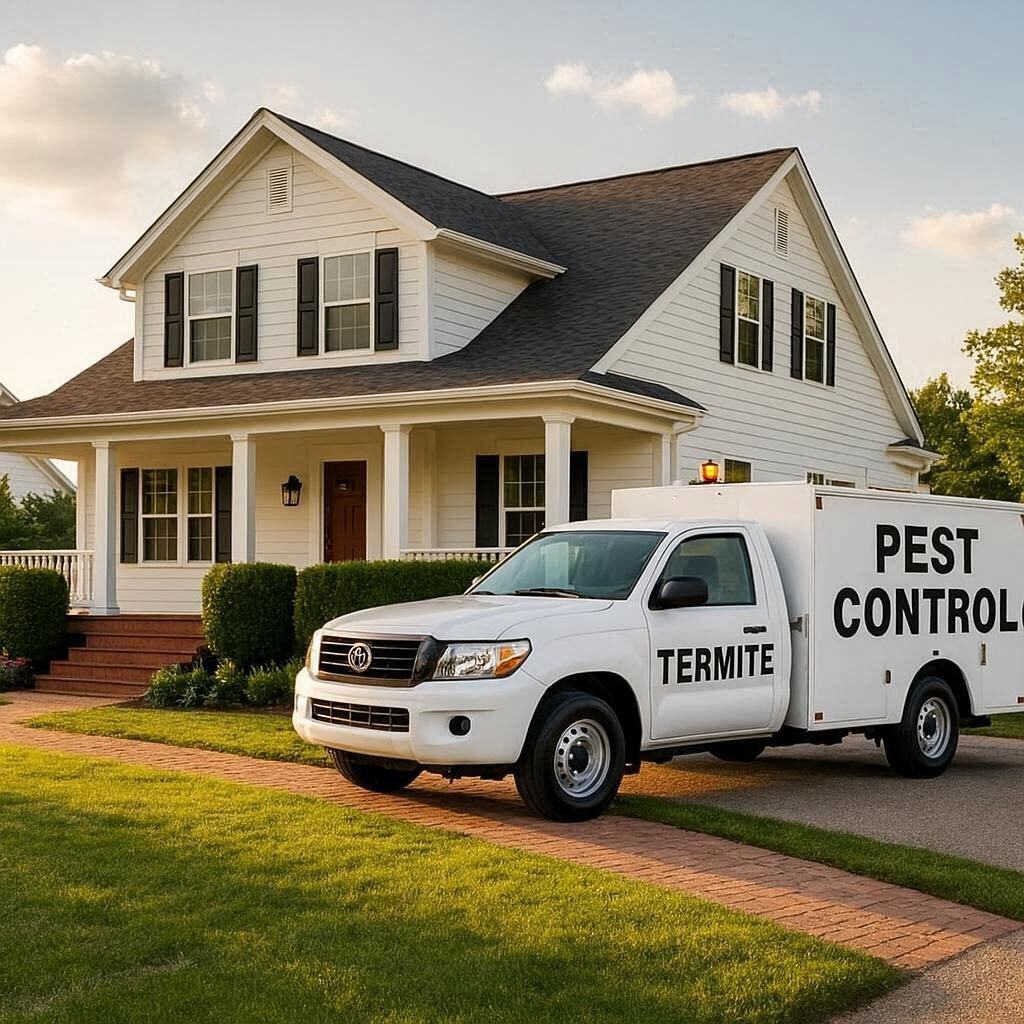
Active Pest Infestations
One of the primary goals of a pest inspection is to identify active infestations. Many pests are experts at staying hidden, making them difficult for homeowners to detect until significant damage has already occurred.
Common pests that inspectors look for include:
- Termites
- Rodents
- Carpenter ants
- Cockroaches
- Bed bugs
- Wasps and bees
- Spiders
- Silverfish
Inspectors carefully examine areas where pests commonly hide, such as basements, crawl spaces, attics, garages, kitchens, bathrooms, and around foundations. They search for live insects, nests, droppings, gnaw marks, shed wings, and other evidence that indicates pest activity.
Finding an infestation early allows property owners to address the issue before it spreads or causes more extensive damage.
Hidden Structural Damage
Some pests can cause serious structural damage without being immediately visible. Termites, carpenter ants, and wood-boring insects feed on or tunnel through timber, weakening essential structural components over time.
A professional pest inspection may uncover damage to:
- Wooden framing
- Floor joists
- Roof supports
- Decks
- Window frames
- Door frames
- Wooden fences
Because this type of damage often occurs inside walls or beneath flooring, homeowners may not notice it until repairs become extensive and costly. Early detection helps prevent larger structural problems and protects the property’s long-term value.
Moisture Problems
Moisture is one of the biggest factors that attracts many pests. During an inspection, professionals often identify water-related issues that create ideal conditions for termites, cockroaches, silverfish, and rodents.
Common moisture problems include:
- Leaking pipes
- Roof leaks
- Poor drainage
- Damp crawl spaces
- Condensation around HVAC systems
- Blocked gutters
- Standing water near foundations
Addressing these moisture issues not only reduces pest activity but also helps prevent mold growth and structural deterioration.
Entry Points Around the Property
A pest inspection also focuses on how pests may be entering the building. Even small gaps can provide easy access for insects and rodents.
Inspectors may identify:
- Cracks in foundations
- Gaps around windows
- Damaged weather stripping
- Open utility penetrations
- Broken roof vents
- Loose siding
- Unsealed crawl space openings
By locating these entry points, property owners can seal vulnerable areas before pests establish themselves indoors.
Evidence of Previous Infestations
Even if no active pests are present, a property may show signs of previous infestations. Evidence such as repaired termite damage, old nesting materials, abandoned tunnels, or insect debris can indicate that pests have been an issue in the past.
This information helps buyers understand the property’s history and determine whether preventive treatments or additional repairs may be necessary. Previous infestations do not always indicate ongoing problems, but they do highlight areas that deserve continued monitoring.
Conditions That Encourage Future Pest Activity
Professional inspectors do more than identify existing problems. They also look for environmental conditions that could lead to future infestations.
These conditions may include:
- Firewood stored against the home
- Overgrown vegetation touching the building
- Poor ventilation
- Cluttered storage areas
- Food sources left accessible
- Uncovered garbage bins
- Excessive mulch near foundations
Removing these attractants significantly lowers the likelihood of future pest problems and helps maintain a healthier property.
Rodent Activity
Rodents can enter buildings through surprisingly small openings and often remain hidden inside walls, ceilings, and attics. During an inspection, professionals search for signs such as:
- Droppings
- Gnawed wires
- Chewed insulation
- Nesting materials
- Grease marks along walls
- Scratching sounds or movement
Rodents are more than a nuisance. They can contaminate food, spread bacteria, damage insulation, and chew electrical wiring, increasing the risk of electrical hazards.
Early detection with a pest inspection allows property owners to eliminate infestations before serious damage occurs.
Damage to Insulation and Stored Items
Certain pests damage more than just structural wood. Rodents, insects, and other pests may destroy insulation, cardboard boxes, furniture, clothing, and stored belongings.
Attics, garages, sheds, and storage rooms are especially vulnerable because they often contain undisturbed materials that provide nesting sites for pests.
A pest inspection can reveal damage that homeowners may not discover during routine cleaning and identify areas requiring immediate attention.
Outdoor Risk Factors
The inspection usually extends beyond the building’s interior. Exterior conditions often play a major role in pest activity.
Inspectors evaluate:
- Trees touching the roof
- Landscaping around the foundation
- Wood-to-soil contact
- Fence connections
- Drainage patterns
- Decks and patios
- Outdoor storage areas
These outdoor observations help identify conditions that may attract termites, ants, rodents, or other pests toward the structure.
Protecting Property Value
For sellers, resolving pest issues before listing a property can improve buyer confidence and reduce delays during the sales process. A clean pest inspection report demonstrates that the property has been properly maintained.
For current homeowners, regular inspections help preserve the property’s condition, reduce repair expenses, and maintain long-term value.
Peace of Mind Through Preventive Maintenance
One of the greatest benefits of a pest inspection is peace of mind. Even when no pests are found, the inspection confirms that the property is in good condition and identifies preventive measures to keep it that way.
Routine inspections allow homeowners to stay ahead of problems rather than react after damage has already occurred. Preventive maintenance is almost always less expensive than repairing structural damage or treating widespread infestations.
Professional inspectors provide recommendations tailored to the property’s unique layout, location, and risk factors, helping owners make informed decisions about ongoing maintenance.
Final Thoughts
A pest inspection is far more than a search for insects. It provides a detailed assessment of a property’s condition, uncovering hidden infestations, structural damage, moisture issues, entry points, and environmental risks that may otherwise go unnoticed.
Early detection helps prevent costly repairs, protects the building’s safety and integrity, and ensures that small problems do not become major expenses. With regular inspections and proactive maintenance, property owners can safeguard their investment and enjoy greater confidence in the condition of their home or commercial property for years to come.