

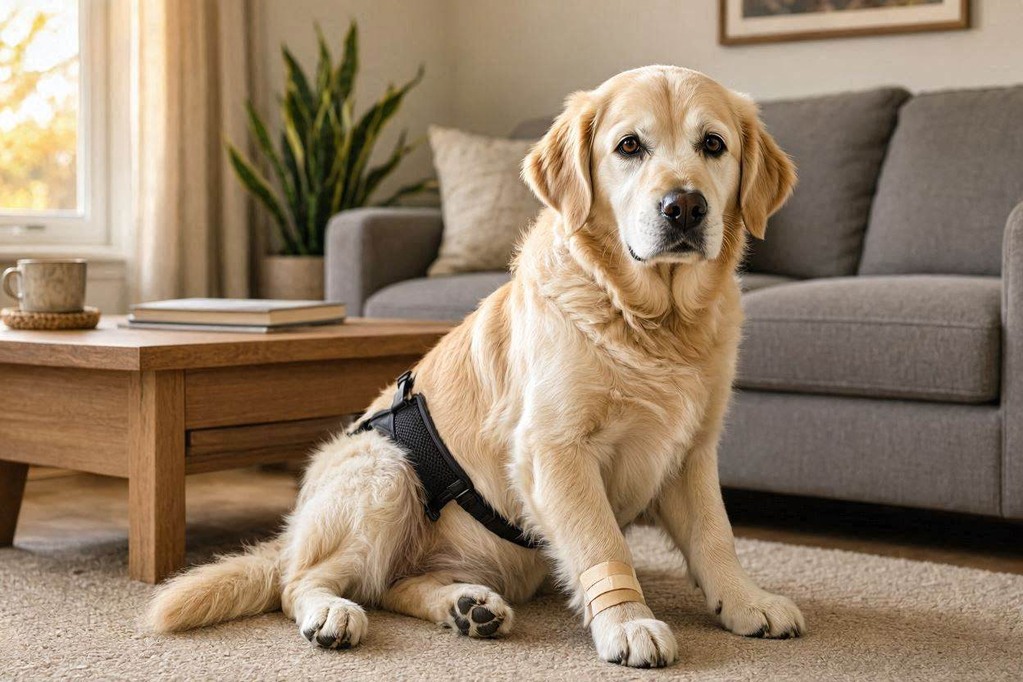
Seeing your pet struggle can be alarming, especially when Hind Leg Weakness in Dogs appears suddenly. Understanding Hind Leg Weakness in Dogs helps owners recognize warning signs before a small issue becomes serious. While Hind Leg Weakness in Dogs may result from aging, injury, or neurological concerns, every change in movement deserves attention. Learning about Hind Leg Weakness in Dogs gives families the knowledge needed to respond quickly and seek proper veterinary care when necessary.
So When Does Hind Leg Weakness in Dogs Signal a Medical Emergency for Owners?
Watching your dog suddenly struggle to stand or walk normally can be frightening. Sometimes it is a minor, temporary issue. Other times, it is the first sign of something far more serious. Knowing the difference can make a real impact on your dog’s recovery and, in some cases, their life.
Dogs are experts at hiding pain and discomfort, which means by the time you notice something is wrong, the underlying issue may already be more advanced than it appears. This is exactly why hind leg weakness should never be brushed off as “just getting older” without a closer look first.
Here is what every dog owner should understand about hind leg weakness and when it truly counts as an emergency.
1. Sudden Onset Is Different From Gradual Weakness
There is an important difference between a dog that has been slowing down over months and a dog that suddenly cannot use its back legs at all. Gradual weakness is often linked to aging, arthritis, or long-term joint issues. Sudden weakness, especially within minutes or hours, points toward something more urgent happening in the body.
According to Cornell University College of Veterinary Medicine, degenerative myelopathy is a spinal cord disease that causes progressive muscle weakness and loss of coordination in dogs, and it shares similarities with ALS in humans. This condition tends to appear gradually in older, large-breed dogs, which is different from the sudden weakness caused by injuries or disc problems.
If your dog was walking normally this morning and suddenly cannot stand tonight, that timeline alone should push you toward emergency care rather than a wait-and-see approach.
2. Loss of Sensation Is a Serious Red Flag
Weakness alone is concerning, but loss of feeling in the legs is a much bigger warning sign. Try gently pinching a toe on the affected leg. If your dog does not react at all, this suggests nerve or spinal cord involvement that needs immediate veterinary attention.
Watch for these additional signs alongside weakness:
- Dragging one or both back legs while walking
- Knuckling, where the paw folds under instead of stepping normally
- No visible pain response when the paw is touched or pinched
- Sudden loss of bladder or bowel control
These combined symptoms often point to spinal cord compression or a related emergency, not a simple muscle strain.
3. Pain Level Tells Its Own Story
A dog in mild discomfort might limp, hesitate, or avoid certain movements. A dog in severe pain may cry out, tremble, refuse to move entirely, or show signs of distress even while lying still. Severe, sudden pain paired with leg weakness is one of the clearest signals that this is not something to manage at home.
Conditions such as intervertebral disc disease can cause this exact combination, and delaying treatment can affect how well a dog recovers.
4. Certain Dogs Are at Higher Risk of Emergency Conditions
Certain breeds are naturally more prone to conditions that can lead to hind leg weakness. Long-backed breeds are at greater risk of disc-related problems, while larger senior dogs are more likely to develop gradual degenerative conditions over time. Although breed and age cannot confirm a diagnosis on their own, they provide valuable clues that help veterinarians narrow down the possible causes.
For pet owners wanting to better understand what causes sudden hind leg weakness in dogs, MedcoVet offers a helpful overview of the conditions that may be involved and what to expect during the diagnostic process. Combined with a thorough physical and neurological examination, these factors help veterinarians reach an accurate diagnosis more efficiently and recommend the most appropriate treatment plan.
5. Any Uncertainty Should Lead to a Vet Visit, Not a Guess
Here is the honest truth: even experienced dog owners cannot reliably tell the difference between a pulled muscle and a spinal emergency just by looking. Timing plays a major role in outcomes for spinal and neurological conditions, since delayed treatment can reduce the chances of full recovery.
If your dog shows sudden, severe, or worsening hind leg weakness, treat it as urgent rather than waiting to see if it improves overnight. A same-day veterinary visit is almost always the safer choice.
What to Do While You Get to the Vet
If your dog suddenly develops hind leg weakness, staying calm helps you help them. A few simple steps can make the trip to the vet safer for everyone:
- Keep your dog as still as possible to avoid further strain on the spine or joints
- Use a supportive sling or towel under the belly if your dog needs help walking
- Avoid letting your dog jump on or off furniture or into the car unassisted
- Call ahead so the veterinary team can prepare for a neurological or emergency exam
These small actions will not fix the underlying issue, but they can prevent further injury on the way to getting proper care.
Final Thoughts
You know your dog’s normal movement better than anyone else. When something changes suddenly, especially involving the back legs, that instinct to worry is usually worth listening to. Acting quickly, rather than waiting to see what happens, gives your dog the best possible chance at a fast and full recovery.
Whether the cause turns out to be minor or something more serious, getting a proper diagnosis early always puts your dog in a better position. There is no downside to an unnecessary vet visit, but there can be a real cost to waiting too long when it truly mattered.
Ultimately, Hind Leg Weakness in Dogs should never be ignored or dismissed as a normal part of aging. Early action can make a major difference because Hind Leg Weakness in Dogs may signal conditions requiring prompt treatment. By monitoring mobility changes and understanding Hind Leg Weakness in Dogs, owners can protect their pets’ health and comfort. Taking Hind Leg Weakness in Dogs seriously allows dogs to receive the care they need and the best chance for recovery.