

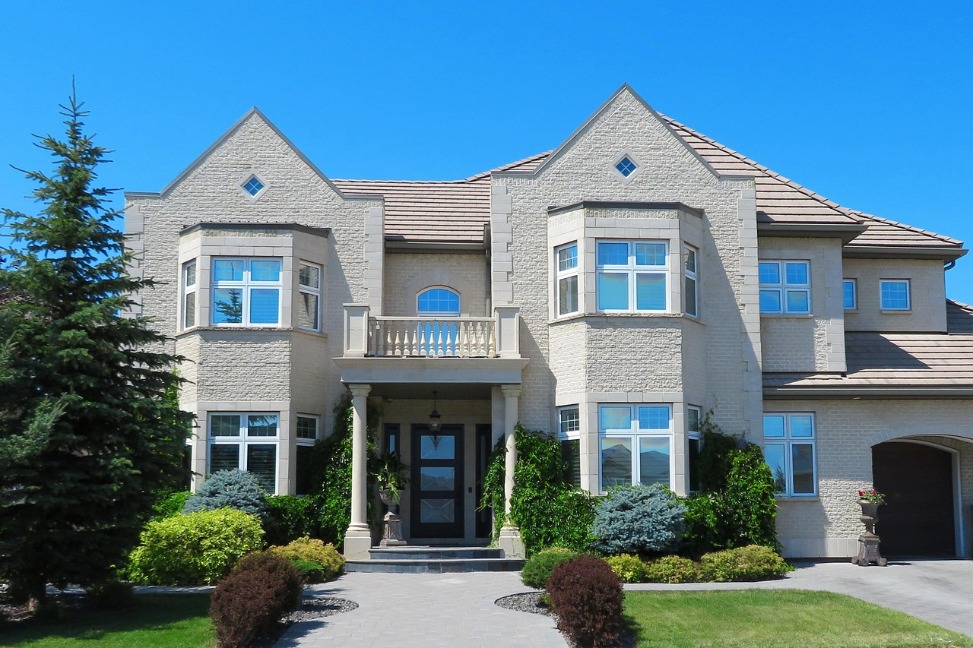
A magnificent luxury home deserves an equally exceptional setting. Yet even the most beautiful luxury property can lose its appeal when its surroundings do not complement your lifestyle.
Privacy, peaceful streets, beautiful architecture, convenient amenities, and a welcoming atmosphere all influence the experience of luxury living. Consequently, choosing the right luxury neighborhood for your family requires more than admiring an impressive address.
A thoughtful 48-hour neighborhood audit helps prospective buyers discover what daily life truly feels like. From exploring individual streets to evaluating walkability, local culture, and future development, this approach reveals the qualities that property photographs cannot capture.
After all, the luxury of location is not simply about where you live. It is about how beautifully your surroundings support the life you want to enjoy.
Avoid Buyer’s Remorse: The 48-Hour Luxury Neighborhood Audit
You are about to sign a contract that locks you into a 30-year mortgage. The house looks absolutely perfect on paper. The kitchen is fully updated, the backyard is spacious, and the floor plan fits your furniture. But what happens when you move in and realize the street sounds like a highway at 2 a.m.?
Most buyers know exactly how to inspect a physical house. They check the water pressure, look for foundation cracks, and test the light switches. Measuring the intangible qualities of a community is a completely different challenge.
This blind spot carries a massive financial and emotional cost. In fact, 82% of home buyers express regrets about their recent purchase. A significant portion of this buyer’s remorse points directly to a location mismatch.
You are not just hunting for a house. You are hunting for a daily lifestyle. As experts at Berkshire Hathaway HomeServices explain, “A home may check all your boxes, but if it’s in the wrong neighborhood, it may not be a smart investment—or the right fit for your life.”
The best way to prevent a costly mistake is a structured 48-hour neighborhood audit. This objective test drive allows you to evaluate an area’s true reality before you ever make an offer.
Why You Need to Look for “Microhoods,” Not Just Neighborhoods
A common mistake luxury homebuyers make is treating a sprawling geographic district as a single, uniform environment. Real estate listings often use a broad neighborhood name to sell a certain lifestyle. The reality on the ground is usually much more complex.
City districts are almost always broken up into distinct pockets called “microhoods.” A microhood is a smaller cluster of streets within a larger boundary. It features its own unique architectural mix, noise level, and cultural vibe.
Two houses in the exact same zip code can offer entirely different living experiences. One might sit on a quiet, tree-lined street filled with historic single-family homes. Another, just four blocks away, might face a noisy arterial road lined with dense apartment buildings and commercial loading docks.
When conducting your audit, remember that these large districts are rarely monolithic. For example, if you were to explore the neighborhood of Capitol Hill in Seattle or Beverly Hills California, you would find four distinct microhoods quietly co-existing. Each of these pockets offers a completely different daily routine and transit experience.
Finding the right block or street corner is often more important than simply finding the right luxury neighborhood name. Your quality of life is determined by your immediate surroundings. You need to narrow your focus to the few blocks that will actually define your daily routine.
The 48-Hour Luxury Neighborhood Audit: A Step-by-Step Guide
Real estate marketing is designed to highlight the best parts of a property while ignoring the flaws. A structured audit strips away that fluff. It gives you the “real talk” on an area’s daily reality.
This method forces you to look past the staged furniture and fresh paint. Instead, you focus on
To do this effectively, the 48-hour audit relies on three core pillars. You need to perform a time-of-day test, a walkability assessment, and a cultural evaluation.
The Time-of-Day Test
Visiting an open house on a quiet Sunday afternoon provides a false sense of reality. Sunday at 1 p.m. is arguably the most peaceful time of the week. Traffic is light, the neighbors are relaxing inside, and the streets are calm.
You are not going to live in a perpetual Sunday afternoon. You need to know what the street feels like during the most stressful parts of the week.
To get an accurate picture of the daily rhythm, you must drive or walk the streets at three specific times. Visit during the morning rush hour, the mid-afternoon, and late at night. Roll down your car windows or travel on foot so you can actually hear the environment around you.
| Time of Day | What to Look For During Your Audit |
| Morning Rush Hour (7 AM – 9 AM) | Check for transit bottlenecks, aggressive commuter cut-through traffic, and bus stop crowding. |
| Mid-Afternoon (2 PM – 4 PM) | Observe sidewalk life, school let-out congestion, and general pedestrian activity. |
| Late Night (9 PM – 11 PM) | Listen for nightlife noise, check street lighting quality, and gauge street parking availability. |
By testing all three timeframes, you eliminate surprises. You will know exactly what to expect when you back out of your driveway on a Tuesday morning or try to sleep with the windows open on a Friday night.
Measuring True Walkability and Transit Access
Walkability isn’t just a lifestyle preference for urban explorers. It is a major financial driver of long-term home value.
Buyers are increasingly prioritizing communities where they can leave the car at home. In fact, 79% of respondents rate walkability as very or somewhat important when looking for a home. The demand is even higher among younger generations. Over 90% of Gen Z and millennial respondents indicate they would pay more for a home in a walkable community.
However, you cannot blindly trust automated online walkability scores. A high score might simply mean there is a grocery store a quarter-mile away as the crow flies. It does not tell you if the walk involves crossing a dangerous six-lane highway with no crosswalk.
You need to physically walk the route to the nearest grocery store, pharmacy, or light rail station. Pay attention to the condition of the sidewalks, the safety of the intersections, and the tree canopy shade. Ensure the paths are well-paved and wide enough for daily commuting.
Next, test your actual commute. Drive or take the bus to major employment centers during peak traffic hours. A drive that takes twenty minutes on a weekend might take an hour and a half on a Wednesday morning.
Evaluating Local Culture and “Sidewalk Life”
Once you understand the logistics of the luxury neighborhood, you need to measure its soul. The community vibe and local amenities must actually match your daily routine.
Start by walking the closest commercial strip. Visit independent businesses, local bookshops, and coffee roasters. These spots are the cultural engine of any thriving neighborhood. Check
the community bulletin boards in these cafes to see what local events are happening.
Spend time sitting in public spaces. Grab a coffee and find a bench in a local park or community hub. Simply observe the area’s demographics and daily activity. Watch to see if families are playing, young professionals are walking dogs, or retirees are gathering.
Don’t be afraid to talk to the people you see. Strike up a conversation with a local barista or a resident walking their dog. Ask them what they love about the area and what frustrates them.
Locals will give you candid, unvarnished insight into what living there is actually like. They will point out the problem intersections, recommend the best takeout spots, and highlight the hidden gems that never show up in a real estate listing.
Fact-Checking the Vibe: Objective Research and Red Flags
A sunny afternoon walk can make any neighborhood feel welcoming. You must balance your subjective feelings on the street with hard, objective data.
Start by investigating the area’s safety profile. Your subjective feeling of safety might not align with the statistical reality. Cross-reference your impressions by checking local police reports and online crime maps. Look for trends on a block-by-block level, as safety metrics can shift significantly from one microhood to the next.
Next, look into the future of the neighborhood. The environment you see today might change drastically in just a few short years.
Research upcoming commercial developments, zoning changes, or infrastructure projects. A new light rail station planned two blocks away could heavily increase your property value. Conversely, a proposed industrial rezone or a massive highway expansion could negatively impact your quality of life. You can usually find this information on local city council websites and community board meeting portals.
During your audit, keep an eye out for environmental red flags. An unusually high number of vacant storefronts often points to a struggling local economy. Poorly maintained public parks or excessive street litter suggest a lack of municipal investment.
Also, pay close attention to the spatial relationship between residential streets and commercial zones. A lively nightlife strip is great for weekend entertainment. However, excessive street noise and late-night foot traffic can quickly become a nuisance if your bedroom window faces the bar.
Conclusion
When you buy a luxury home, you are not just buying a plot of land and a structure. You are buying into the surrounding community for the long term.
Performing a 48-hour microhood audit is the best defense against costly buyer’s remorse. By testing the streets at different times of the day, verifying true walkability, and fact-checking the local data, you eliminate the guesswork from your purchase. You replace marketing hype with concrete reality.
Do not let a beautiful house blind you to a problematic location. Step away from the screen, put on a pair of comfortable shoes, and physically walk the streets before making your next offer.