

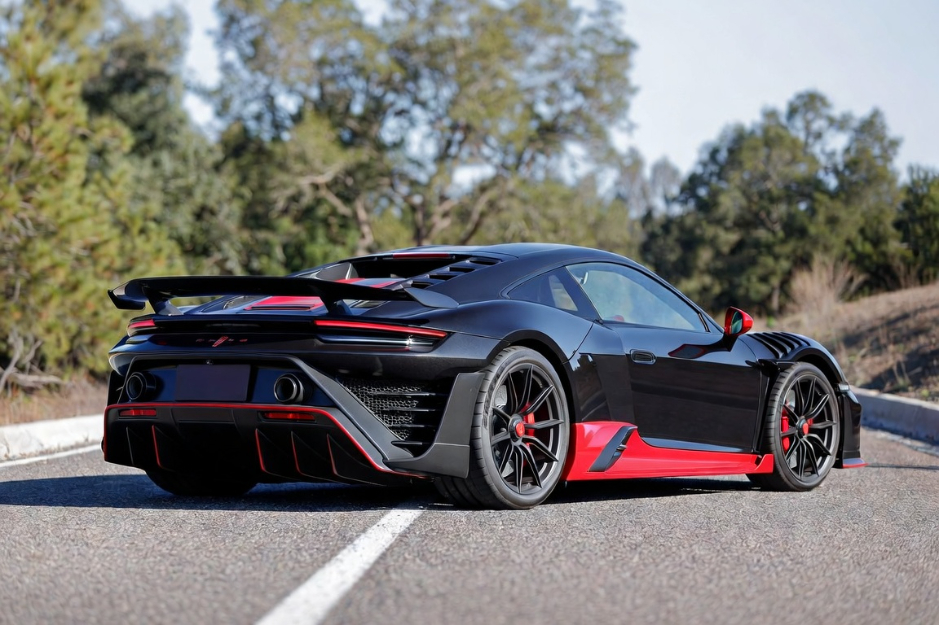
Buying a sports car can be an exciting milestone. The powerful performance, striking design, and unforgettable driving experience make sports cars highly desirable.
However, choosing the right sports car requires more than falling in love with its appearance. Performance, ownership costs, insurance, maintenance, and practicality all deserve careful consideration.
A sports car can become an incredible investment in personal enjoyment. Therefore, understanding the responsibilities of ownership can help buyers make a smarter decision.
Before signing the paperwork, consider these important factors when buying a sports car.
Consider Your Budget Beyond the Purchase Price
The purchase price represents only one part of sports car ownership. Buyers should also consider insurance, fuel, maintenance, registration, and potential repairs.
High-performance vehicles often require specialized servicing and premium replacement parts. Additionally, some models use premium fuel and performance tires.
Creating a realistic ownership budget can prevent unexpected financial pressure. Consider both regular expenses and possible repairs before making a final decision.
A sports car should enhance your lifestyle rather than create unnecessary financial stress.
Think About Performance and Driving Style
Sports cars offer dramatically different driving experiences. Some prioritize acceleration, while others focus on handling and track performance.
Before buying, consider how you plan to use the vehicle. Will it become a weekend car, a daily driver, or an occasional track vehicle?
A powerful engine may sound exciting, but comfort and handling also matter. Test-driving several models can help buyers understand which vehicle suits their personality and driving preferences.
The right sports car should feel exciting every time you sit behind the wheel.
Research Maintenance and Repair Costs
Maintenance costs can vary significantly between sports car brands and models. Some vehicles require frequent specialized servicing.
Research recommended maintenance schedules before purchasing. Also, consider the availability of qualified technicians in your area.
Parts for rare or imported vehicles can become expensive. Repairs may also take longer when specialized components require ordering.
An extended warranty may provide additional peace of mind. However, buyers should carefully review the terms and coverage before making a decision.
Understanding long-term maintenance costs can help protect your budget.
Consider Insurance Costs
Insurance costs can become significantly higher for sports cars. Performance, vehicle value, repair costs, and theft rates may influence premiums.
Before purchasing a specific model, request insurance quotes. This step can reveal costs that buyers may not initially expect.
You should also consider deductibles and coverage options. Comprehensive coverage may provide important protection for a valuable vehicle.
Comparing insurance providers can help identify competitive options.
Evaluate Practicality
Sports cars are designed for excitement, but practicality varies considerably. Some models offer limited cargo space and compact interiors.
Consider how often you will need additional seating or storage. A two-seat vehicle may work perfectly for weekend driving but become challenging for everyday responsibilities.
Ride comfort also deserves consideration. Low suspension and performance-focused seats can feel uncomfortable during longer trips.
Think honestly about how the vehicle will fit into your daily life.
Decide Between New and Pre-Owned
Both new and pre-owned sports cars offer potential advantages. A new vehicle may include the latest technology and warranty protection.
However, pre-owned vehicles can offer excellent value. Some buyers may afford a higher-performance model by purchasing a carefully maintained used vehicle.
Before purchasing a pre-owned sports car, review its service history carefully. A professional inspection can also help identify hidden mechanical concerns.
Vehicle history and maintenance records can provide valuable insight into previous ownership.
Is buying a used car a better option?
Buying a used car is often a great option for first-time car buyers. Not only can you enjoy the satisfaction of owning your own vehicle, but in many cases, you can save money on the purchase price and get more features instead of buying a new entry-level car. Furthermore, for first-time car owners, used cars are better for gaining experience in driving since you can get used to a car before moving on to something more expensive or powerful. And when you’re ready to move on, you can easily sell your old car to companies that buy cars in San Diego and other cities. With this knowledge, it’s easy to see why buying used cars can be a great option for first-time car buyers.
The type of vehicle that would be best for you and your needs
When it comes to choosing the perfect vehicle, consider your needs first. Is fuel economy important? Do you need extra cargo space for transporting large items? Think about what your daily commute looks like and how many people you will typically be carrying with you. Once you have taken into account any special criteria, then you will want to consider the types of vehicles that would meet those needs. From sports cars to hybrids, there are many different options available so find one that works best for your lifestyle and budget.
Consider Resale Value
Some sports cars maintain strong resale value, while others depreciate quickly. Limited production models and highly desirable vehicles may attract stronger demand.
Research historical resale values before making your purchase. However, predicting future value always involves uncertainty.
If resale value matters significantly, focus on desirable specifications and well-maintained examples.
Color, mileage, condition, and ownership history can also influence future value.
Test Drive Before You Buy
A sports car may look perfect online but feel completely different on the road.
Always test-drive the vehicle whenever possible. Pay attention to visibility, comfort, steering, braking, acceleration, and cabin noise.
Try to experience different driving conditions if the dealership allows it. City traffic and highway driving can reveal important differences.
Trust your personal experience rather than relying only on reviews.
Consider Your Long-Term Ownership Goals
Finally, think about why you want a sports car. Some buyers want an exciting weekend escape, while others want a collectible vehicle.
Your goals should influence the model you choose. A daily driver requires different qualities than a rare collector’s vehicle.
Consider how long you expect to own the car. Your future plans can influence whether leasing, financing, or purchasing makes the most sense.
Choosing a vehicle that matches your lifestyle creates a more satisfying ownership experience.
Conclusion
Buying a sports car is an exciting decision, but careful planning can make the experience even more rewarding. Consider your budget, insurance costs, maintenance requirements, performance preferences, and daily lifestyle.
Additionally, take time to research several models and test-drive your favorites. A beautiful design matters, but comfort, reliability, and ownership costs also deserve attention.
The perfect sports car should deliver excitement while fitting comfortably into your financial and personal lifestyle. With thoughtful research and realistic expectations, buying a sports car can become an unforgettable investment in performance, style, and driving pleasure.