

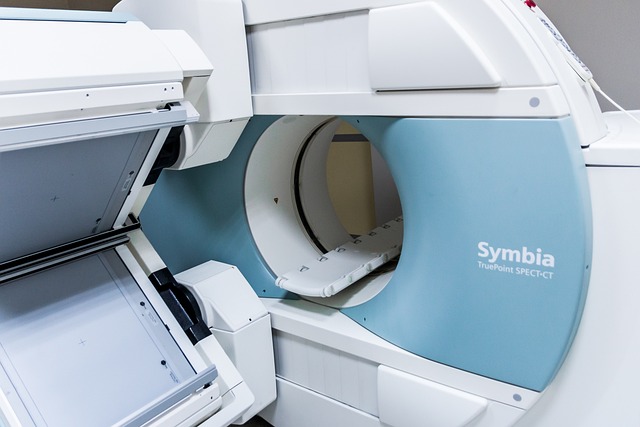
Medical imaging has come a long way in helping doctors diagnose and treat various conditions. Two of the most common types of imaging are Magnetic Resonance Imaging (MRI) and Computed Tomography (CT) scans. Both MRI and CT scans are non-invasive and provide detailed images of the internal structures of the body.
However, they differ in various aspects, such as their technological principles, preparation, procedures, and the types of conditions they are used to diagnose. This article will explore the key differences between MRI and CT scans, including their unique characteristics and the scenarios where each is most appropriate.
Understanding MRI and CT Scans
MRI, or Magnetic Resonance Imaging, uses a powerful magnetic field, radio waves, and a computer to produce detailed images of the body’s internal structures. This technology is particularly good at capturing soft tissue, which includes organs, muscles, ligaments, and tendons. On the other hand, a CT scan, or Computed Tomography, employs X-rays and a computer to generate cross-sectional images of the body. These images are then compiled to create a detailed, three-dimensional picture. These two imaging methods are a mainstay at Southern Utah MRI with dedicated and professionally licensed imaging specialists.
Comparing MRI and CT Scans
When it comes to distinguishing between MRI and CT scans, several factors are crucial, such as the type of tissue being examined, the patient’s condition, and the urgency of the diagnosis. MRI is generally preferred for imaging soft tissues due to its high-resolution capabilities. For example, it is commonly used for diagnosing issues related to the brain, spine, joints, and musculoskeletal system. In contrast, CT scans are better at visualizing bones, blood vessels, and dense tissues. They are often used to detect bone fractures, tumors, and internal bleeding.
Southern Utah MRI is a leading medical imaging center that provides both MRI and CT scans to patients. Their state-of-the-art facilities are equipped with the latest technology to ensure accurate and timely diagnoses. The choice between MRI and CT is made by a team of experienced radiologists who consider the patient’s medical history, symptoms, and the condition being diagnosed.
How MRI Works
MRI machines create a strong magnetic field around the patient, aligning the water molecules in the body. Radio waves are then directed at the area of interest, causing the molecules to absorb energy and emit signals. These signals are detected by the MRI machine and converted into detailed images. The process is painless and doesn’t involve the use of ionizing radiation, making it a safer option for patients, especially those who require frequent imaging or have conditions that are sensitive to radiation exposure.
However, MRI scans can be time-consuming and may not be suitable for all patients. For instance, those with metal implants, pacemakers, or claustrophobia may face challenges. Additionally, MRI machines are typically loud, which can be uncomfortable for some individuals. To combat this, facilities like Southern Utah MRI offer options such as headphones with music or earplugs to reduce the noise.
How CT Scans Work
CT scans, on the other hand, use a series of X-rays taken from various angles to produce detailed images of the body’s internal structures. The X-rays pass through the body and are absorbed differently by different tissues. A computer then reconstructs these images into a three-dimensional model, allowing doctors to view the body’s interior from various perspectives.
While CT scans are quicker than MRI and can provide immediate results, they do involve exposure to radiation, which can be a concern for some patients. However, the amount of radiation is usually minimal, and the benefits of the scan often outweigh the risks. CT scans are particularly useful in emergency situations, such as traumas or strokes, where time is of the essence.
Preparation and Procedure Differences
Before undergoing an MRI, patients are usually asked to remove all metal objects and may need to change into hospital gowns to prevent interference with the magnetic field. Some may also require the administration of a contrast agent, typically through an intravenous injection, to enhance the visibility of certain structures. The procedure itself involves lying still on a table that slides into a tube-like machine.
For a CT scan, patients may also need to remove metal objects but generally do not require special clothing. Contrast agents are sometimes used in CT scans as well, usually administered orally or intravenously. During the procedure, the patient lies on a table that moves through a donut-shaped scanner, and the X-rays are taken in a series of quick, painless bursts.
Benefits and Limitations
MRI is excellent for detailed imaging of soft tissues and is often the go-to choice for diagnosing conditions such as multiple sclerosis, torn ligaments, and spinal cord injuries. It is also beneficial for detecting abnormalities in the brain and spinal cord, such as tumors or aneurysms. However, MRI scans are not recommended for patients with metal implants, as the magnetic field can cause them to move or heat up, potentially causing harm.
CT scans are quicker and more readily available than MRI, making them suitable for emergency situations. They are also better for imaging bones, blood vessels, and dense tissues. However, due to the radiation exposure, they are not recommended for routine scanning or for pregnant women unless absolutely necessary. They are not as adept at visualizing certain soft tissues as MRI.
In summary, MRI and CT scans are both vital diagnostic tools with distinct advantages and limitations. MRI excels in imaging soft tissues, is radiation-free, and is ideal for conditions that require high-resolution imaging. On the other hand, CT scans are faster, excellent for bone and dense tissue visualization, and are often used in emergencies.
When patients in Southern Utah require medical imaging, they can rely on facilities like Southern Utah MRI for comprehensive and personalized care. The decision between MRI and CT is made by skilled professionals who consider each patient’s individual needs. Both scans play a critical role in modern healthcare, contributing to the accurate diagnosis and effective treatment of a wide range of conditions.
As technology continues to advance, these imaging techniques will likely become even more precise and accessible, offering patients the best possible outcomes.