

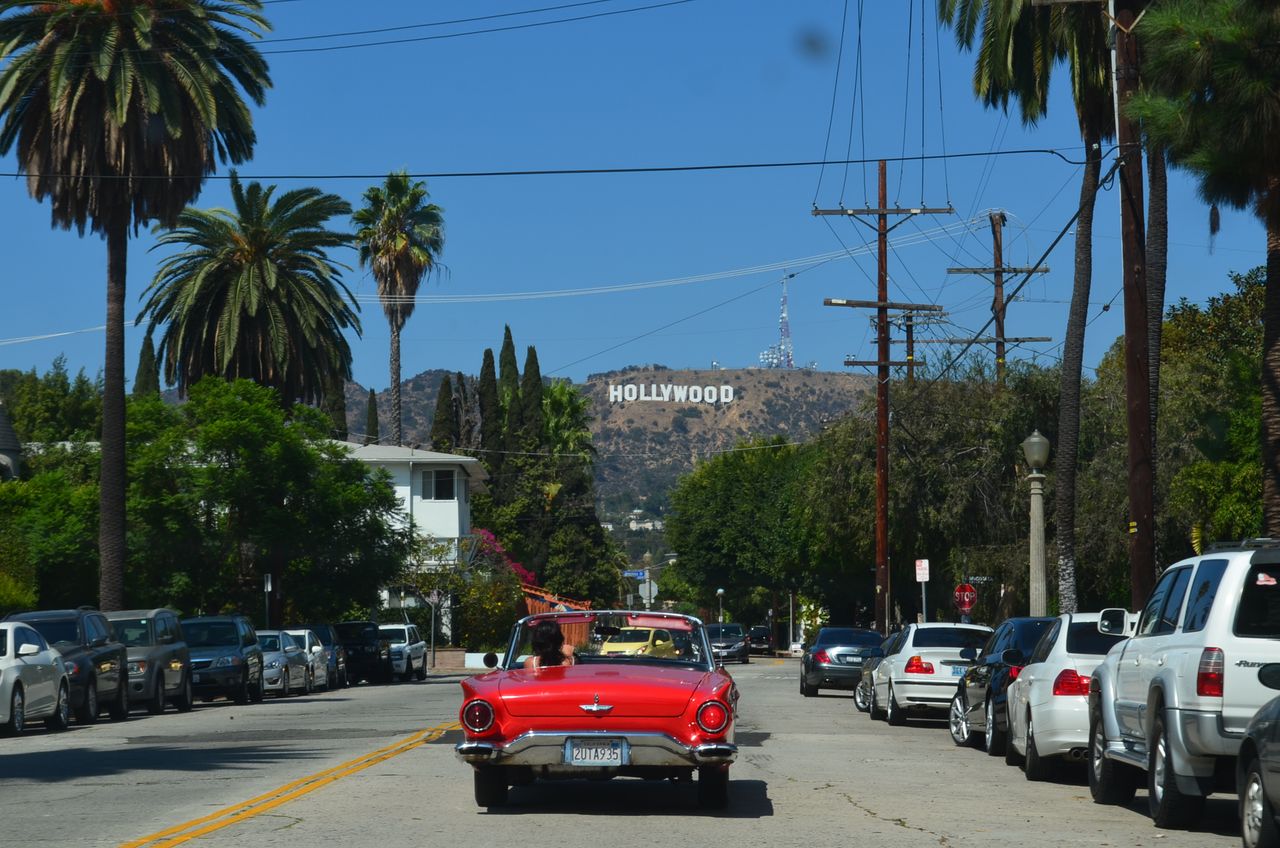
Living in Luxury: Why Los Angeles Remains a Global Real Estate Destination
For decades, Los Angeles has stood as one of the world’s most recognizable destinations for ambition, entertainment, business, culture, and luxury living. From Beverly Hills estates and Hollywood Hills architectural homes to sophisticated Westside residences and coastal properties, the Los Angeles lifestyle continues to hold international appeal.
Yet Los Angeles is changing.
Recent demographic figures reveal a region undergoing a structural recalibration. Workplace flexibility, housing costs, changing family priorities, and the search for additional space have influenced where people choose to live.
For luxury real estate, however, this changing landscape tells a more nuanced story. Los Angeles County remains home to nearly 9.7 million people and is still the most populous county in the United States.
For affluent buyers, the enduring attraction extends far beyond population growth. Privacy, architecture, views, outdoor living, entertainment, dining, business opportunities, climate, and proximity to some of Southern California’s most prestigious communities continue to distinguish the region.
Key Takeaways
- Los Angeles County remains the most populous county in America despite recent population declines.
- The latest Census estimate places the county population at approximately 9.69 million.
- High housing costs remain an important consideration for anyone contemplating Los Angeles homeownership.
- Remote and flexible work have changed how some residents evaluate location and space.
- Luxury buyers can approach Los Angeles differently from the broader housing market, prioritizing privacy, architecture, amenities, views, and lifestyle.
- Beverly Hills, the Westside, hillside communities, coastal areas, and established residential enclaves offer distinctly different interpretations of Southern California luxury.
- Population movement does not tell the entire story of a luxury property market; individual neighborhoods and property segments can behave differently from countywide trends.
- Los Angeles continues to combine luxury real estate with entertainment, business, culture, dining, wellness, and year-round outdoor living.
Los Angeles Is Evolving, Not Disappearing
The demographic numbers provide important context.
The U.S. Census Bureau estimates Los Angeles County had 9,694,934 residents on July 1, 2025. Its April 2020 estimates base was 10,017,414, representing a 3.2% decline over that period.
The county lost approximately 53,900 residents between July 2024 and July 2025 alone, according to the latest Census estimates. Nevertheless, it remains substantially larger than Cook County, Illinois, the country’s second-most-populous county.
For real estate buyers, these figures should be considered alongside the extraordinary diversity of the Los Angeles market.
A county of nearly 10 million residents does not function as one homogeneous housing market. The experience of purchasing a luxury estate in Beverly Hills is fundamentally different from purchasing a condominium downtown or a family residence farther inland.
High Property Values Help Define the Market
Housing costs remain one of the defining characteristics of Los Angeles.
According to Census QuickFacts, the median value of owner-occupied housing units across Los Angeles County was $834,200 for the 2020–2024 period. Median monthly owner costs for homeowners with mortgages were $3,160.
At the luxury end, buyers may encounter multimillion-dollar estates, architect-designed residences, gated compounds, view properties, and homes offering amenities comparable to private resorts.
The expense that encourages some households to relocate can therefore coexist with a luxury sector serving buyers with very different priorities and financial circumstances.
What Luxury Buyers Want From Los Angeles
For affluent buyers, square footage alone rarely defines an exceptional property.
Privacy has become increasingly important. Gated entrances, mature landscaping, long driveways, security systems, and thoughtfully positioned residences can create separation from surrounding neighborhoods.
Architecture also matters.
Los Angeles offers everything from historic estates and Mediterranean-inspired villas to Mid-Century Modern residences and dramatic contemporary homes.
Then there is the indoor-outdoor lifestyle.
Pools, terraces, outdoor kitchens, landscaped gardens, fire features, cabanas, and panoramic entertaining spaces allow homeowners to treat the exterior as an extension of the residence.
For many buyers, that lifestyle is central to the appeal of owning property in Southern California.
The Value of a View
Few features capture Los Angeles luxury quite like a spectacular view.
Depending on location, a residence might overlook the city skyline, surrounding canyons, mountains, or the Pacific Ocean.
Hillside properties can create a feeling of separation while remaining remarkably close to shopping, restaurants, entertainment, and business centers.
At night, expansive city lights can become part of the interior design itself.
For buyers seeking emotional impact as well as functionality, setting can be as important as the house.
Beverly Hills and the Westside Continue to Define Prestige
Luxury in Los Angeles is inseparable from location.
Beverly Hills remains internationally associated with prestigious residential streets, luxury shopping, fine dining, and extraordinary homes. Other Westside and nearby communities provide their own interpretations of high-end Southern California living.
Some buyers want proximity to business and entertainment.
Others prioritize acreage, privacy, schools, walkability, ocean access, or panoramic views.
This variety is one of Los Angeles real estate’s defining characteristics. Buyers are not selecting only a house. They are choosing a lifestyle within an enormous collection of distinctive neighborhoods.
Remote Work Changed the Meaning of Home
The original demographic story also highlights an important change: workplace flexibility.
Remote and hybrid work have given some households greater freedom to relocate. For certain residents, that means leaving Los Angeles for communities with lower housing costs or more space.
For luxury homeowners, however, spending additional time at home can make the quality of the residence even more important.
A sophisticated home office, private gym, screening room, wellness area, expansive kitchen, guest suite, pool, and outdoor entertaining space can transform a residence into a self-contained lifestyle environment.
The luxury home is no longer simply somewhere to return to after work.
Increasingly, it can be where work, wellness, entertainment, family life, and relaxation intersect.
International Appeal Remains Part of the Los Angeles Story
Los Angeles has historically been an international gateway, and that global character remains central to its identity.
Census QuickFacts estimates that 33.4% of Los Angeles County residents during 2020–2024 were foreign-born.
That international population contributes to the region’s culture, cuisine, entrepreneurship, fashion, entertainment, and broader lifestyle.
For luxury real estate, global recognition can also matter. Los Angeles is a city whose neighborhoods, architecture, entertainment industry, and lifestyle are known far beyond California.
Some Residents Are Looking Beyond the Urban Core
Your original article correctly identifies another important theme: not everyone leaving a particular Los Angeles neighborhood is leaving Southern California altogether.
Lifestyle priorities can encourage households to consider suburban communities, valleys, or neighboring counties where additional space may be available.
For families, priorities may include larger yards, quieter streets, established commercial districts, and additional living space.
That movement reinforces an important reality about modern luxury: prestige is becoming increasingly personal.
For one buyer, luxury means being minutes from Rodeo Drive.
For another, it means acreage, privacy, and silence.
Moving Is Part of an Evolving Luxury Lifestyle
Changing priorities also mean Los Angeles homeowners may move more than once as their lifestyles evolve.
An entrepreneur might trade a city condominium for a hillside residence. A growing family might leave a smaller Westside property for a larger estate. Empty nesters may eventually exchange a substantial residence for a more manageable luxury condominium.
Whether moving between prestigious Los Angeles neighborhoods or relocating elsewhere, professional Los Angeles movers can help manage the practical transition of furniture, artwork, personal possessions, and household belongings.
The destination may change, but the desire for an elevated lifestyle often remains.
Los Angeles Luxury Is About More Than the House
One reason Los Angeles continues to occupy a distinctive position in luxury real estate is everything surrounding the property.
The region combines world-renowned entertainment with luxury shopping, restaurants, private clubs, wellness, art, fashion, beaches, mountains, and major business sectors.
Residents can move between dramatically different environments without leaving the broader metropolitan area.
A morning can begin with a business meeting, continue with shopping or lunch, and end with dinner overlooking the Pacific.
That variety remains difficult to replicate.
A Changing Population Can Create a Changing Market
Population decline should neither be ignored nor automatically interpreted as the decline of every Los Angeles real estate segment.
The Census Bureau notes that each new annual population-estimate vintage revises the historical series back to the previous census, meaning comparisons should use a consistent vintage rather than mixing estimates from different releases.
For buyers, the more meaningful questions concern the individual property.
How desirable is the neighborhood? Is the home architecturally distinctive? How much comparable inventory exists? Does the residence offer privacy, views, land, or exceptional amenities? What are the carrying costs?
Luxury real estate is ultimately highly property-specific.
The Next Chapter of Los Angeles Luxury Real Estate
Los Angeles is unquestionably evolving.
Some households are pursuing affordability elsewhere. Remote work has expanded residential possibilities. Housing costs remain substantial, and lifestyle priorities continue to change.
Yet Los Angeles County still contains nearly 9.7 million residents and remains America’s largest county by population.
More importantly for luxury buyers, the qualities that established Los Angeles as a global lifestyle destination have not simply disappeared.
Architecture, climate, privacy, entertainment, culture, dining, business, ocean access, and some of America’s most recognizable residential enclaves continue to shape its identity.
Conclusion
Los Angeles luxury real estate has never been defined solely by population growth.
Its appeal comes from the life surrounding the property.
A spectacular residence can offer privacy while remaining connected to one of the world’s great cultural and economic centers. Hillside homes provide extraordinary views. Coastal residences connect homeowners with the Pacific. Prestigious enclaves offer a level of recognition that extends far beyond Southern California.
The demographic landscape may be changing, but so is the definition of luxury.
For discerning buyers, living beautifully increasingly means finding a residence that provides privacy, space, wellness, convenience, and an exceptional quality of life.
Los Angeles continues to offer all of them.
Sources
U.S. Census Bureau — QuickFacts: Los Angeles County, California. Population, housing, demographic, and economic statistics.
U.S. Census Bureau — Population Estimates Program. Annual county population estimates and population change data.
U.S. Census Bureau — 2025 Population Estimates for Counties and Metropolitan Areas.
Star Van Lines — Los Angeles Movers.