

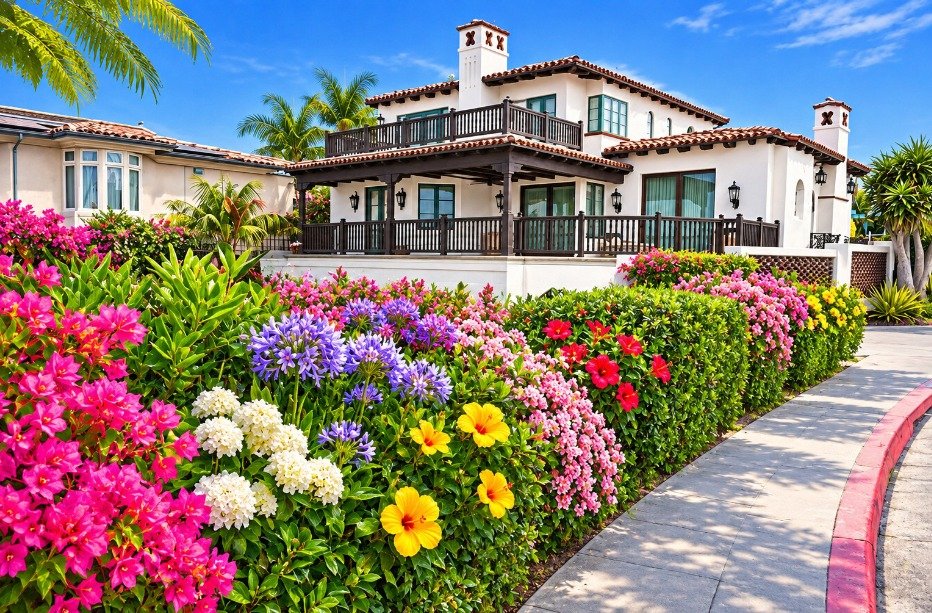
Santa Barbara County represents one of California’s most extraordinary luxury real estate destinations. Here, breathtaking coastal landscapes meet magnificent estates, architectural elegance, and an exceptional standard of living.
From the prestigious enclaves of Montecito to the exclusive estates of Hope Ranch, this remarkable region offers sophisticated living. Homebuyers can discover extraordinary oceanfront residences, private hillside retreats, sprawling equestrian properties, and beautifully designed architectural masterpieces.
However, purchasing a luxury home requires more than discovering a spectacular property. Discerning buyers must consider location, privacy, architectural quality, investment potential, and long-term ownership expenses.
Additionally, Santa Barbara’s distinctive coastal environment introduces important considerations. Insurance requirements, hillside conditions, historic property regulations, and local building restrictions can influence purchasing decisions. This is one of the most beautiful cities in America to live in.
Working with experienced luxury real estate professionals can help buyers navigate these complexities while identifying exceptional opportunities.
Whether searching for a magnificent Montecito estate, a sophisticated coastal residence, or an expansive countryside retreat, thoughtful preparation is essential.
Discover the most important considerations when purchasing luxury real estate in Santa Barbara County and learn how to make a confident investment in your dream home.
Key Takeaways
- Set a realistic budget and identify your essential home features.
- Compare communities based on accessibility, lifestyle, and nearby services.
- Consider insurance, property taxes, maintenance, and repair costs.
- Arrange professional inspections to identify potential property issues.
- Verify permits, zoning, easements, and property records.
- Work with qualified professionals throughout the buying process.
- Review all documents and complete a final walk-through before closing.
Buying a home in Santa Barbara County means weighing more than bedrooms, views, and finishes. Daily travel, coastal conditions, hillside access, insurance, property upkeep, and local land-use rules can all shape whether a home remains a good fit after closing. Buyers comparing areas can also benefit from local guidance, such as that offered by Montecito real estate agents at Alemann & Associates, a Santa Barbara County brokerage focused on luxury homes in Montecito, Hope Ranch, Carpinteria, Goleta Valley, and the Santa Ynez Valley. Their neighborhood-level experience can help buyers frame the right questions while still making decisions based on their own goals, inspections, and financial planning. This checklist is designed to help buyers move from initial interest to a well-supported purchase decision. Use it to compare properties consistently, identify questions early, and keep the excitement of a showing from replacing careful due diligence.
Define Your Vision for Luxury Living
Before reviewing listings, define what the purchase needs to accomplish. A primary residence, weekend retreat, retirement home, or investment property can require very different priorities. Set a monthly budget that feels sustainable, then separate features into must-haves, preferences, and true deal breakers.
- Consider the time available for repairs, landscaping, and routine maintenance.
- Decide how much commuting, driving, or road access matters to your household.
- Think about space needs today and several years from now.
- Include room in the budget for furnishing, moving, and early ownership expenses.
A compact home near services may support a convenient routine, while a larger inland property may offer privacy, land, and a different maintenance commitment. Neither option is automatically better. The best choice is the one that matches the way the household expects to live.
Explore Santa Barbara’s Most Prestigious Communities
Santa Barbara County includes coastal cities, established residential neighborhoods, rural properties, and valley communities. Santa Barbara, Montecito, Hope Ranch, Carpinteria, Goleta, and the Santa Ynez Valley each exhibit distinct patterns in density, lot size, services, road access, and recreation.
When comparing locations, evaluate the same practical questions for every area:
- How convenient are groceries, medical care, schools, dining, and other regular destinations?
- What will the commute or frequent drive routes feel like at the times you would actually travel?
- Does the home provide the beach access, trails, equestrian facilities, or town setting you value?
- Are the lot, terrain, and surrounding development compatible with your privacy and maintenance expectations?
- Are there location-specific concerns involving flood exposure, wildfire conditions, wind, or evacuation routes?
Countywide market summaries can be useful background, but they do not replace reviewing comparable sales and available homes in the immediate area you are considering.
Understand the Investment Behind Luxury Homeownership
The purchase price is only one part of the financial picture. A complete monthly and annual budget should include mortgage principal and interest, property taxes, homeowners insurance, utilities, association dues or private-road fees, landscaping, and expected repairs. For example, a home with a lower asking price may still require a larger ownership budget if it has aging mechanical systems, extensive grounds, a pool, a private well, or insurance that costs more than expected. Ask your lender to illustrate payment scenarios, but also create a separate reserve for maintenance and unexpected repairs.
Protect Your Santa Barbara Property Investment
Insurance deserves attention before a buyer becomes emotionally committed to a property. During the investigation period, request preliminary quotes and ask an insurance professional about available coverage, deductibles, exclusions, brush-clearance expectations, wind exposure, flood considerations, and optional earthquake coverage. The California Department of Insurance publishes residential insurance and earthquake guidance to help buyers understand which coverage questions to raise. Also review seller disclosures, hazard reports, site access, drainage patterns, and visible vegetation. Insurance availability and affordability can affect the practicality of a purchase, so confirm the details before removing major contingencies.
Look Beyond the Beauty of a Luxury Estate
Staging can make a home feel polished, but an inspection should focus on systems and conditions that are not obvious during a showing. A general home inspection is a useful starting point, particularly when paired with specialists as needed.
- Roof age, flashing, gutters, and drainage.
- Foundation movement, cracks, retaining walls, and grading.
- Plumbing materials, sewer-line condition, wells, or septic systems.
- Electrical panels, wiring updates, heating, cooling, and ventilation.
- Windows, insulation, moisture control, pools, and major exterior improvements.
Older homes, hillside sites, acreage, historic features, and unusual improvements may justify additional review from qualified specialists. Inspection findings do not necessarily end a transaction, but they help buyers understand repair priorities and negotiate from better information.
Understand Luxury Estate Regulations and Property Rights
Confirm that additions, guest spaces, garages, pools, decks, and major remodels align with available records. Unverified work can complicate future renovations, insurance, resale, and lender requirements. Buyers should compare the listing details with disclosures, permits, and public records rather than relying on a single source. For properties in unincorporated areas, Santa Barbara County’s land-use designation and zoning map can provide a starting point for understanding allowed uses. Follow up with the appropriate agency or qualified professional when a planned project, setback, rental use, easement, or access question could affect the decision.
Permit and Property Review Checklist
- Compare recorded square footage with the home’s advertised layout.
- Ask whether additions and accessory structures have permits or final approvals.
- Review zoning, setbacks, easements, and access rights.
- Investigate nearby development proposals or land-use changes when relevant.
- Confirm applicable rules before assuming a future rental, remodel, or new structure is possible.
Preserve the Architectural Legacy of Exceptional Homes
Some homes may be affected by historic, architectural, coastal, agricultural, or neighborhood-specific requirements. These can influence exterior changes, fencing, tree work, grading, paint colors, and new construction. For an older home, ask whether there is a historic designation, a Mills Act contract, or an ongoing maintenance obligation. A property’s character can be a major benefit, but it should come with clearly understood responsibilities.
Assemble Your Luxury Real Estate Advisory Team
A strong purchase process often includes a lender, buyer representative, inspector, insurance professional, title and escrow professionals, and specialists appropriate to the property. A roof inspector, sewer-scope provider, pool professional, well contractor, septic inspector, structural engineer, or historic-home specialist may be worthwhile depending on the home. Use each professional for the question they are qualified to answer. A lender can clarify financing terms, an inspector can identify observed conditions, and title professionals can explain title documents and recorded easements.
Evaluate Luxury Properties With Confidence
After several showings, details can blur together. Score every serious contender using the same categories:
- Location: Does it support everyday routines and long-term plans?
- Condition: What repairs or replacements may be needed in the first year?
- Monthly cost: What are the likely mortgage, tax, insurance, utility, and upkeep costs?
- Risk: Are there hazard, access, drainage, permit, or insurance concerns?
- Lifestyle: Does the property work for the household’s preferred pace, space, and activities?
- Resale: Will future buyers likely see the same practical strengths and limitations?
Final Steps to Securing Your Luxury Dream Home
- Complete agreed inspections and review reports carefully.
- Read title documents, easements, and disclosures.
- Confirm insurance coverage is in place.
- Verify any repair credits or completed work.
- Complete a final walk-through and check included fixtures and items.
- Keep organized copies of reports, warranties, disclosures, and receipts.
A successful Santa Barbara County purchase is grounded in both facts and feeling. By comparing location, condition, costs, insurance, local rules, and long-term fit, buyers can make a decision that remains practical long after the keys change hands.