

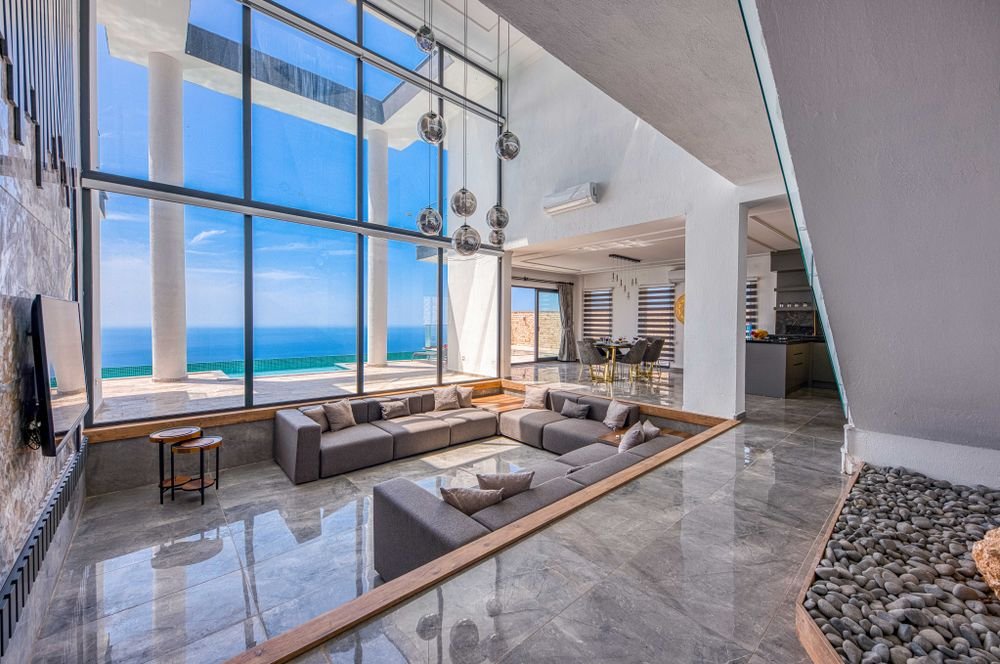
A truly luxurious home offers more than breathtaking architecture, elegant interiors, and exceptional furnishings. It provides an atmosphere of comfort, tranquility, and well-being throughout every living space.
From sophisticated climate control systems to advanced air filtration and balanced humidity, luxury home comfort requires thoughtful attention to the entire indoor environment.
Even the most beautiful residences can experience uneven temperatures, stale air, excessive moisture, and airborne pollutants. Therefore, maintaining exceptional indoor air quality is essential for creating a comfortable and inviting home.
A thoughtful approach to residential heating and cooling, airflow, humidity, and routine cleaning can help every room feel fresher and more consistent year-round. It can also make it easier to notice small changes before they become disruptive, such as one room becoming noticeably warmer than the rest of the house or a new odor appearing when the system starts.
A home may feel warm or cool enough while still having stale air, excess moisture, dust, or odors. Paying attention to the full indoor environment supports better sleep, more pleasant living spaces, and fewer surprises when the weather changes quickly outside. Because people spend so much time indoors, practical maintenance routines can support comfort in bedrooms, living areas, kitchens, bathrooms, and less-used spaces alike.
For luxury homeowners, combining premium HVAC technology with consistent maintenance helps preserve comfort, protect beautiful interiors, and create an exceptional living environment.
Discover how to enhance luxury home comfort through sophisticated climate management, cleaner indoor air, and thoughtful seasonal care.
Key Takeaways
- Luxury home comfort depends on balanced temperature, humidity, airflow, and indoor air quality.
- Premium HVAC systems and smart climate controls can provide greater comfort throughout large residences.
- Regular filtration, ventilation, and cleaning help reduce common indoor pollutants.
- Maintaining balanced humidity can protect luxury furnishings, hardwood flooring, and architectural finishes.
- Seasonal maintenance helps identify potential heating, cooling, and moisture problems early.
- Professional HVAC evaluations can address uneven temperatures, ventilation concerns, and equipment performance.
- Thoughtful indoor air management creates a healthier-feeling, more comfortable luxury living environment.
Why Luxury Home Comfort and Indoor Air Quality Matter
Temperature, humidity, airflow, and air cleanliness all affect how a home feels. A bedroom can be cool but stuffy, or a living room can be warm while still feeling damp. Air that does not circulate well may allow odors and particles to linger, while overly dry or humid conditions can make everyday comfort harder to maintain.
Sun-facing rooms, upper floors, rooms over garages, and areas with long duct runs can also feel different from the thermostat location, which is why comfort should be evaluated throughout the home rather than in only one central room.
In luxury residences, expansive windows, soaring ceilings, open floor plans, and multiple living areas can create additional climate management challenges.
Consequently, homeowners may benefit from zoned heating and cooling systems that allow different rooms to maintain individualized temperatures.
Indoor air can also contain pollutants from cooking, cleaning products, pets, smoke, outdoor particles, and moisture-related mold. Small habits, including changing filters, using exhaust fans, and cleaning regularly, can reduce many common sources before they become larger problems.
Choosing less strongly scented products when possible, storing chemicals according to their labels, and promptly removing indoor trash can further limit avoidable odors.
Ultimately, exceptional indoor comfort should complement a home’s architectural beauty while supporting everyday relaxation and well-being.
Common Indoor Air Quality Problems in Luxury Homes
Most comfort concerns start with familiar signs. Dust collecting around registers, weak airflow from a vent, uneven room temperatures, window condensation, musty odors, and lingering cooking smells all deserve a closer look.
A clogged filter, a blocked return vent, a moisture issue, or improper use of the exhaust fan may contribute to the problem.
It is useful to note when the issue occurs, which rooms are affected, and whether it changes with weather or system operation; those details can make troubleshooting more efficient.
Large luxury properties may also experience temperature variations between upper floors, guest suites, home theaters, private gyms, and expansive living areas.
Furthermore, rooms with extensive glass walls or direct sunlight may require additional cooling during warmer months.
Frequent coughing, headaches, allergy-like symptoms, or persistent odors can have many possible causes. When symptoms continue, seek appropriate medical guidance and address building conditions such as visible mold, leaks, smoke exposure, or malfunctioning fuel-burning equipment.
Never assume that symptoms are caused by HVAC equipment alone, but do not ignore visible moisture damage or a persistent musty smell either.
Create a Seasonal Luxury Home Comfort Plan
Maintaining a luxury residence requires attention throughout the year. Seasonal inspections and preventive maintenance can help preserve the performance of heating, cooling, and ventilation systems.
Winter: Maintain Warmth and Indoor Comfort
Before heating use increases, inspect the HVAC filter and make sure supply and return vents are open and unobstructed.
Test smoke and carbon monoxide alarms, especially in homes with fireplaces, gas appliances, or other fuel-burning equipment.
Watch for dry indoor air and repeated condensation on windows.
If using a fireplace, follow its operating instructions, have the chimney maintained as appropriate, and make sure the damper is positioned correctly before and after use.
Luxury homeowners with multiple fireplaces, heated floors, or zoned heating systems should also review equipment performance before colder weather arrives.
Spring: Refresh Your Luxury Living Environment
Spring pollen can make it useful to check filters more often.
Clear leaves and loose debris from around outdoor equipment, and gently remove visible dust from registers and grilles.
Keep windows closed on days when outdoor pollen or air conditions make open-window ventilation less appealing.
Spring is also a practical time to look for winter-related moisture issues around windows, attics, crawl spaces, and plumbing connections.
For luxury properties surrounded by gardens, mature trees, and landscaped grounds, seasonal pollen and outdoor debris may require additional attention.
Summer: Optimize Cooling and Humidity Control
Humidity can make a properly cooled room feel less comfortable.
Run bathroom fans during showers and kitchen exhaust while cooking.
Check for water around indoor equipment, weak cooling, ice on refrigerant lines, or new noises that may warrant professional attention.
Keep interior doors and vents arranged so air can move freely, and avoid placing heat-producing appliances or electronics directly beside the thermostat.
Luxury homes with expansive windows, sunrooms, and large entertaining spaces may benefit from carefully designed cooling zones.
Fall: Prepare Your Luxury Home for Seasonal Changes
Before the first sustained cold weather arrives, replace a dirty filter, clear outdoor equipment, and look for obvious drafts around doors and windows.
Move rugs, furniture, and storage away from vents and returns so conditioned air can circulate as intended.
Review the location of portable heaters, if used, and keep them away from bedding, curtains, furniture, and other combustible materials.
Additionally, inspect weatherstripping, exterior doors, and window seals to help maintain comfortable indoor temperatures.
Improve Luxury Home Ventilation Without Wasting Energy
Proper ventilation is essential for maintaining fresh, comfortable indoor air.
Ventilation helps remove moisture, odors, and pollutants generated indoors.
Use a bathroom exhaust fan during showers and leave it running briefly afterward.
Use a vented range hood or kitchen exhaust fan while cooking, particularly when frying, broiling, or using gas appliances.
Guidance on limiting smoke and keeping gas cooking well-ventilated can be especially useful for households concerned about indoor air particles.
If an exhaust fan seems unusually loud, weak, or ineffective, its grille may need cleaning, or the fan-and-duct connection may need evaluation.
Opening windows can be helpful when outdoor temperature, humidity, pollen, and air quality are favorable.
Ceiling fans improve airflow, but they do not remove pollutants or bring in fresh outdoor air.
If a tightly sealed home regularly feels stale, a qualified HVAC professional can assess whether mechanical ventilation options are appropriate.
Fans should be turned off when rooms are unoccupied, since their primary benefit is helping occupants feel cooler through air movement.
For luxury residences, whole-home ventilation systems and energy recovery ventilators may offer additional opportunities to introduce filtered outdoor air efficiently.
These systems can be particularly useful in modern homes designed with airtight construction and energy-efficient windows.
Choose Premium HVAC Filters for Cleaner Indoor Air
An HVAC filter protects equipment by capturing particles before they collect on internal components.
Some filters are also designed to capture smaller airborne particles, but higher-efficiency options can increase airflow resistance.
Check the system manufacturer’s guidance or ask a qualified technician before switching to a denser filter.
Make sure the replacement filter is installed in the direction indicated by the airflow arrow on its frame.
Check the filter monthly during heavy heating or cooling seasons.
Homes with pets, smokers, frequent construction dust, or occupants with allergies may need more frequent replacements.
A filter that looks dusty should be changed rather than left in place until a calendar reminder arrives.
Keeping the correct filter size and type written down near the system can make replacements simpler and reduce the chance of installing the wrong product.
For luxury homeowners seeking advanced filtration, professionally designed whole-home air purification systems may provide additional options.
However, equipment compatibility, airflow requirements, and maintenance needs should guide the selection process.
Manage Indoor Humidity to Protect Luxury Interiors
High humidity can make rooms feel warmer and can contribute to condensation and mold growth when moisture persists.
Very dry air can contribute to static electricity, dry skin, and throat or nasal discomfort.
An inexpensive humidity monitor gives homeowners a clearer picture of changing conditions from room to room.
Compare readings in bathrooms, bedrooms, basements, and main living areas, especially when one space feels noticeably different from the others.
Start with practical steps: repair leaks promptly, use exhaust fans, keep air moving, and avoid drying excess moisture indoors when possible.
If humidity remains consistently high or low despite these habits, discuss dehumidification, humidification, insulation, or ventilation needs with a trained professional.
A basement, crawl space, attic, or laundry area may be the source of recurring moisture, so the solution should address the cause rather than simply masking the symptom.
For luxury homes, balanced humidity also plays an important role in preserving expensive interior materials.
Hardwood flooring, fine furniture, artwork, musical instruments, and decorative finishes may be sensitive to prolonged moisture fluctuations.
Therefore, homeowners with valuable collections or delicate materials may benefit from professionally designed humidity control systems.
Reduce Indoor Pollutants Throughout Your Luxury Home
Low-cost routines can make a meaningful difference.
Vacuum carpets and upholstered furniture regularly, wash bedding and pet items, and keep paints, solvents, and strong chemicals away from occupied living areas.
Limit candles, smoke, and heavily fragranced products when they create noticeable irritation or odors.
When vacuuming, dusting, or doing projects that create particles, consider cleaning from higher surfaces downward and allowing time for disturbed dust to settle before occupying the room.
After a leak or flood, dry affected materials promptly and investigate any lingering dampness.
Install carbon monoxide alarms near sleeping areas and follow the manufacturer’s placement and testing instructions.
Reviewing common household pollutants and practical risk-reduction steps can help homeowners identify everyday sources they might otherwise overlook.
Avoid running vehicles, generators, or fuel-burning equipment in enclosed or partly enclosed areas where exhaust could enter the home.
Luxury homeowners may also consider low-emission paints, carefully selected cleaning products, and well-maintained ventilation systems when designing or renovating interior spaces.
These thoughtful choices can complement premium materials and sophisticated interior design.
Enhance Luxury Home Comfort With Smart Climate Technology
Modern luxury homes increasingly incorporate intelligent climate management systems that combine convenience, efficiency, and personalized comfort.
Smart thermostats can provide programmable schedules, remote temperature adjustments, and useful information about heating and cooling patterns.
In larger residences, zoned HVAC systems allow homeowners to manage different living areas independently.
For example, bedrooms may require cooler nighttime temperatures, while entertaining spaces benefit from separate climate settings.
Additionally, automated shades can help reduce unwanted solar heat gain through expansive windows.
Integrated home automation systems may coordinate temperature settings, shading, and occupancy schedules for greater convenience.
However, smart technology works best when supported by properly sized equipment, effective ventilation, and professional system design.
A sophisticated control system cannot compensate for serious airflow restrictions, moisture problems, or poorly maintained HVAC equipment.
Know When to Call a Luxury Home HVAC Professional
Some comfort problems are not suitable for trial and error.
Contact a trained professional if heating or cooling equipment stops working, repeatedly trips a breaker, leaks water, produces unusual noises, or leaves major temperature differences between rooms.
Treat burning smells, gas odors, unusual exhaust, and activated carbon monoxide alarms as urgent safety concerns.
Leave the area and follow emergency guidance when a carbon monoxide alarm sounds.
Professional service can also be worthwhile when filters become unusually dirty, condensation repeatedly returns, or airflow problems persist after vents and returns have been cleared.
For luxury residences with multiple climate zones, advanced filtration, or integrated smart home technology, specialized HVAC professionals may be especially valuable.
Routine inspections can help identify developing issues, evaluate system performance, and recommend appropriate improvements.
The Essential Luxury Home Comfort Checklist
- Check the HVAC filter and replace it when dirty.
- Keep supply vents and return grilles clear.
- Test smoke and carbon monoxide alarms.
- Monitor indoor humidity and investigate condensation.
- Use kitchen and bathroom exhaust fans.
- Look for leaks, damp spots, and musty odors.
- Keep outdoor HVAC equipment free of debris.
- Review smart thermostat settings and climate zones.
- Inspect window seals and potential drafts.
- Maintain appropriate humidity around valuable furnishings and artwork.
- Schedule service when warning signs persist.
Create an Exceptional Luxury Living Environment
True luxury is reflected not only in the beauty of a residence but also in the comfort it provides every day.
From sophisticated heating and cooling systems to balanced humidity, effective ventilation, and cleaner indoor air, thoughtful environmental management enhances the entire living experience.
A more comfortable luxury home rarely depends on one expensive upgrade. Consistent attention to filters, airflow, humidity, ventilation, and early warning signs can help create cleaner-feeling rooms and more dependable heating and cooling in every season.
Furthermore, integrating smart climate technology and professionally designed HVAC systems can provide greater control throughout expansive living spaces.
Whether maintaining a contemporary estate, an elegant traditional residence, or a beautifully designed modern home, consistent care helps preserve both comfort and architectural value.
Ultimately, exceptional luxury home comfort is about creating a harmonious environment where sophisticated design and everyday well-being work together.
With thoughtful planning, regular maintenance, and carefully selected technology, every room can become a welcoming retreat that reflects the finest standards of luxury living.