

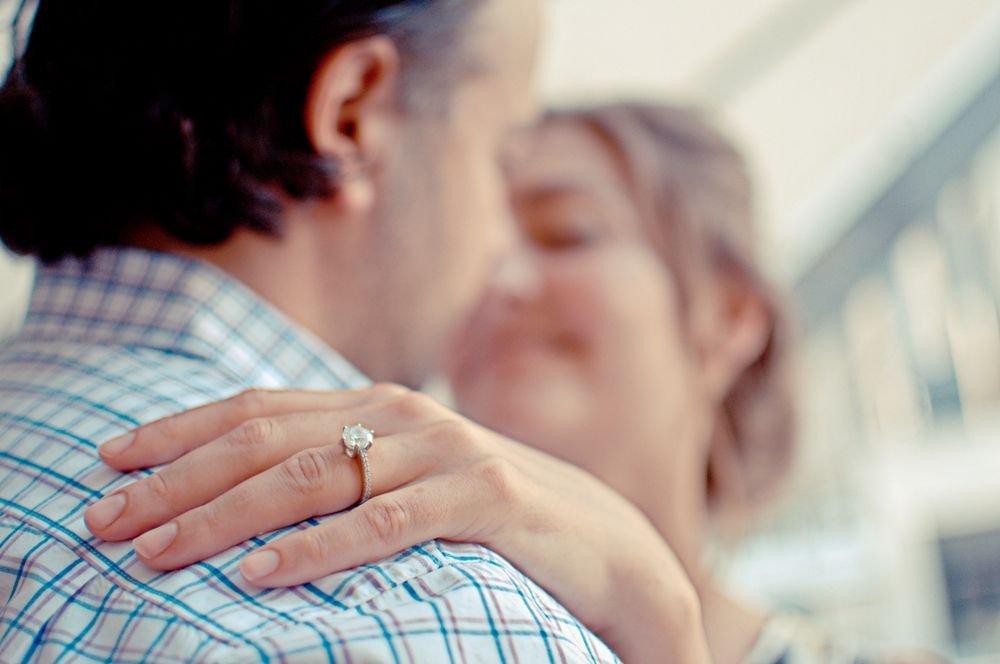
Few pieces of jewelry capture the beauty of everlasting love quite like a luxury solitaire engagement ring. Elegant, romantic, and effortlessly sophisticated, this iconic design celebrates the brilliance of a single diamond while expressing timeless personal style.
From breathtaking round brilliant diamonds to graceful oval cuts and architectural emerald shapes, luxury solitaire engagement rings offer endless possibilities for creating a meaningful symbol of commitment.
However, selecting the perfect engagement ring involves more than choosing a beautiful diamond. The setting, precious metal, band proportions, and overall craftsmanship contribute to its elegance, comfort, and lasting appeal.
Furthermore, modern couples can explore both natural and lab-grown diamonds, allowing them to discover exceptional designs that reflect their individual preferences and investment priorities.
Whether you envision a classic platinum solitaire, a romantic yellow gold setting, or a contemporary diamond design, thoughtful selection makes all the difference.
Discover how to choose a luxury solitaire engagement ring that combines extraordinary beauty, personal significance, and timeless sophistication.
Key Takeaways
- Luxury solitaire engagement rings showcase the beauty of a single center diamond.
- Diamond shape, setting style, and precious metal influence the ring’s overall elegance.
- Consider everyday comfort, personal style, and lifestyle requirements before selecting a design.
- Diamond cut, proportions, clarity, color, and carat weight all contribute to its appearance.
- Low-profile and protective settings can offer practical advantages for everyday wear.
- Coordinating the engagement ring with a future wedding band creates a harmonious bridal jewelry collection.
- Exceptional craftsmanship and thoughtful design help create a timeless symbol of love.
A one-stone engagement ring focuses on a single center diamond, making it a flexible choice for people who prefer either a classic or a more contemporary look. Exploring solitaire lab-grown diamond rings can be a useful starting point when comparing shapes, metal colors, and setting profiles.
1. Why A One-Stone Engagement Ring Still Works
A single center stone gives the ring an immediate focal point. A plain polished band keeps the result quiet and timeless, while pavé accents, engraving, or a hidden detail beneath the stone can add personality without competing with the diamond. Because the design is visually focused, it can remain easy to wear even as someone’s clothing and jewelry preferences evolve.
2. Start With Daily Life
The best engagement ring needs to work beyond the proposal photo. Consider office work, cooking, childcare, exercise, travel, gloves, and hands-on hobbies. Someone who often reaches into bags, wears gloves, or works with their hands may prefer a lower setting that is less likely to catch. Make a short list of non-negotiables, such as a low profile, yellow gold, or a smooth band, along with features to avoid.
3. Choose A Diamond Shape
Shape affects sparkle pattern, finger coverage, and the overall mood of the ring. Round diamonds are balanced and familiar. Ovals, marquise cuts, and pears have elongated outlines that can create more length across the finger. Emerald cuts offer crisp, architectural lines, while cushions have softer corners and a gentler appearance. Radiant and princess cuts suit people who like sharper geometry and lively faceting.
No shape is universally best. Compare several shapes from above and from the side, then decide which one feels most natural for the wearer’s style, hand proportions, and preferred amount of visual presence.
4. Compare Setting Styles
The setting influences how high the stone sits, how much metal surrounds it, and how protected its edges are. A classic prong setting uses small metal projections to hold the stone and creates an open, light-focused appearance. Bezel settings frame all or part of the diamond with metal, offering a sleek look and added edge coverage.
Cathedral settings use arches that rise toward the center stone for a more elevated profile. Low-profile settings sit closer to the finger and can feel more streamlined. A hidden halo can add small diamond detail from the side while preserving the appearance of one main center stone from above.
5. Think About Metal And Band Design
Metal color sets much of the ring’s character. Yellow gold has a warm appearance, white gold looks bright and cool, rose gold adds a pink-toned warmth, and platinum has a naturally white appearance. A slender band can make the center stone stand out, while a wider band brings more metal presence and may create a bolder overall look.
A plain band emphasizes simplicity. Pavé diamonds add extra sparkle, but they also introduce more small stones and settings to inspect over time. The most balanced choice is one where the band supports the center stone rather than making it look undersized or crowded.
6. Balance Size And Comfort
A larger carat weight does not automatically produce the best-looking or most comfortable ring. Face-up dimensions, shape, cut, band width, and setting height all affect perceived size. Elongated stones may cover more finger area from above than a round stone of similar weight, while a tall setting can feel more noticeable during everyday tasks.
For example, someone who travels frequently or types all day may be happier with a slightly smaller center stone in a lower setting than with a larger stone that catches on clothing or feels top-heavy. Proportion usually matters more than choosing the biggest possible diamond.
7. Check Diamond Quality
Before choosing a center stone, review its cut, color, clarity, carat weight, and measurements. The way a diamond is cut affects how it handles light, while clarity should be assessed at a normal viewing distance as well as under magnification. Understanding the basic physical characteristics of a diamond can also help buyers ask better questions about durability and appearance.
- Compare the stone’s measurements, not only its carat weight.
- Review the grading report and confirm that it matches the diamond.
- Look closely for chips, inclusions near edges, or uneven outlines.
- Decide whether a warmer color is appealing in the chosen metal.
- View videos or inspect the stone from multiple angles when possible.
8. Plan For The Wedding Band
Consider the wedding band before finalizing the engagement ring, especially if a flush fit is important. A raised center setting often leaves room for a straight band to sit alongside it. Lower settings may require a curved, contoured, or notched band. If stacking rings is part of the plan, consider the total width and how the pieces will feel together.
9. Use A Simple Buying Process
- Set a spending limit that feels comfortable.
- Choose up to three favorite diamond shapes.
- Identify daily comfort needs and preferred setting height.
- Compare a few setting styles and band widths.
- Select the preferred metal color.
- Review diamond measurements and grading details.
- Look at the completed design from the top, side, and three-quarter views.
- Confirm sizing, maintenance expectations, and return terms before purchase.
10. Common Questions
Is A One-Stone Ring Too Plain?
Not at all. A one-stone ring can be minimal, ornate, vintage-inspired, or modern. Shape, metal, band details, and setting style create much of its personality.
Which Shape Looks Largest?
Elongated shapes often appear larger from above because they spread across more finger length. Still, a well-proportioned stone that suits the setting can look more impressive than a larger stone with an awkward profile.
What Setting Is Best For Everyday Wear?
There is no single answer. A low-profile bezel or low-set prong style may suit active routines, while a raised prong setting may appeal to someone who wants a more open, traditional silhouette.
Are Ring Trends Worth Following?
Trends can provide inspiration, but comfort and personal taste should guide the final decision. A ring worn every day should feel like a natural extension of the wearer, not a short-lived style experiment.
Final Thoughts
A strong one-stone engagement ring balances beauty, practicality, and personal meaning. Begin with daily life, then compare the diamond shape, setting height, metal, band design, quality details, and wedding band fit. The most successful choice is usually the ring that feels just as right on an ordinary day as it does during a special occasion.
Celebrate Everlasting Love With a Luxury Solitaire Ring
A luxury solitaire engagement ring represents far more than an exquisite piece of jewelry. It is a timeless expression of love, commitment, and the promise of a beautiful future together.
From brilliant diamond shapes and sophisticated precious metals to exceptional settings and elegant band designs, every detail contributes to the ring’s distinctive character.
However, the most meaningful engagement rings balance extraordinary beauty with personal style, everyday comfort, and thoughtful craftsmanship.
Whether selecting a classic round diamond, a romantic oval solitaire, or a striking emerald-cut design, choosing a ring that reflects the wearer’s personality ensures lasting significance.
Furthermore, exploring diamond quality, setting proportions, and wedding band compatibility helps create a harmonious design that remains beautiful throughout the years.
Ultimately, a luxury solitaire engagement ring celebrates the elegance of simplicity and the enduring beauty of a single extraordinary diamond.
With careful consideration and an appreciation for timeless design, the perfect ring becomes a cherished symbol of everlasting romance.