

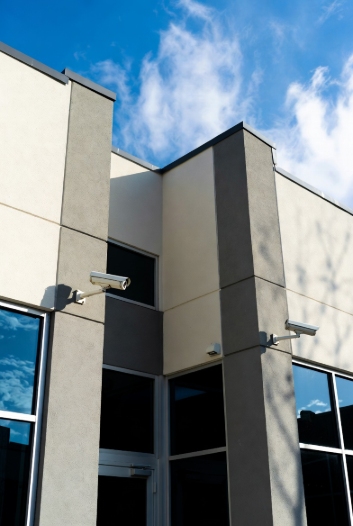
Improve Commercial Property Security Without Looking Unwelcoming
Commercial property managers feel security pressure fastest when the same access problems keep returning through the same weak points. Unauthorized parking, shortcut foot traffic, after-hours entry attempts, and poorly defined access lanes can all make a property feel harder to control without anyone wanting it to look harsher in the process. The challenge is not adding more visible barriers everywhere, but tightening the parts of the property where misuse keeps showing up.
Budget limits, tenant complaints, and day-to-day traffic make that balance harder to get right. A security upgrade that adds glare, blocks deliveries, or makes the entrance feel unfriendly can solve one problem while creating another. A better approach is to focus on the points where access, lighting, layout, entrances, and upkeep shape how the property actually works, then improve those areas without making the site feel closed off.

Commercial property security plays a critical role in preventing unauthorized access and protecting both people and assets throughout the site. Modern commercial property security focuses on blending safety features like cameras, lighting, and access control into the property design without creating a hostile appearance. Effective commercial property security also depends on regular maintenance and monitoring of entry points, parking areas, and shared spaces.
Control Vehicle Access Without Harsh Visual Barriers
A folding bollard can sit flush when it’s down and stand upright only when a lane needs to be protected, which keeps the area open-looking during normal business hours. Installed at a service lane, a reserved parking bay, or a restricted drive path, it blocks vehicle cut-throughs and wrong-way entry without the footprint of a gate system. The result is a cleaner layout that still communicates a clear boundary where it matters.
Placement and daily handling matter as much as the hardware. The bollard needs to land where turning space, fire access, and delivery movements still work, and the lock style should match how often staff will raise and lower it. If the site uses pavement markings or small directional signs, the bollard should align with those cues so drivers get the message early and don’t stop in the travel lane.
Improve Visibility With Lighting That Feels Comfortable
Lighting works best when it improves visibility without making the property feel harsh or overlit. Dark corners near side doors, uneven light across walkways, and glare from poorly aimed fixtures can make it harder to see faces, trip hazards, and entry hardware from a normal approach distance. A better plan closes those gaps with commercial-grade fixtures that direct light down onto sidewalks, handles, steps, and parking transitions instead of throwing it into drivers’ eyes or tenant windows.
Fixture placement should follow how the property is actually used after hours, including where tenants enter, where deliveries arrive, and which corners stay active. Consistent color temperature across the storefront line helps the site look maintained instead of patchy. Timers, photocells, and routine relamping also matter, because a lighting plan only works when key paths stay visible and dark pockets do not return.
Improve Traffic Flow and Safety with Site Design
Crosswalk markings that fade out, curb cuts that drop pedestrians into drive aisles, and parking stalls that aim cars toward storefront doors create avoidable conflict points. Clear separation between vehicle movement and walking routes reduces hesitation at corners and keeps drivers from drifting into areas meant for foot traffic. Fresh striping that defines travel lanes and stop points, paired with curbs or wheel stops where people queue near entries, keeps circulation predictable without adding bulky hardware.
Directional signs work best when they are placed before a decision point, not at the turn itself, and the wording should match what visitors see from the windshield. Defined walk routes should connect parking areas to the main entrance with consistent markings, ramp alignment, and clear sightlines so people don’t choose the shortest cut between cars. When deliveries share parts of the lot, a marked service path helps prevent loading from spilling into customer lanes during peak hours.
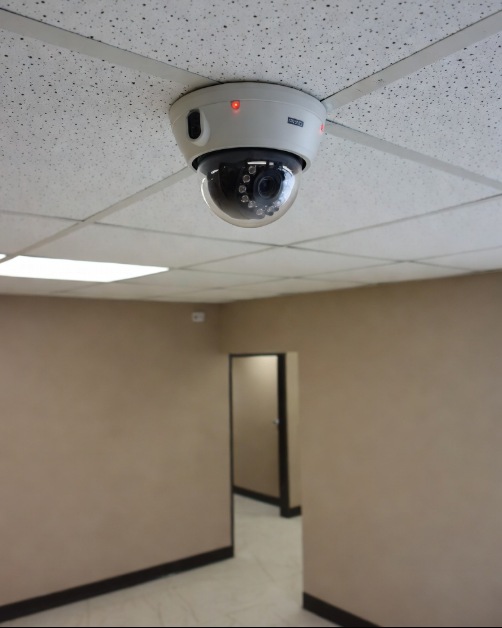
Make Entrances Easy To Read and Hard To Misuse
Entrances work better when visitors can tell immediately which doors are public, which are restricted, and where they should go after hours. Doors along the same facade can blur together when tenant suites share matching frames and glass, so clear “Public Entry” and “Staff Only” signs at eye level, paired with consistent door numbering, help stop people from testing multiple handles. Hardware should reinforce that message, with panic devices on public exits and access-controlled levers on restricted doors. An after-hours placard near the main entry should point to the exact call box or suite buzzer.
Entry misuse becomes harder to control when packages, guests, and staff all rely on the nearest unlocked door. A simple entry plan should define where visitors queue, where deliveries are accepted, and which doors stay locked during business hours versus after closing. Intercom placement needs to work from a standing position without blocking swing clearance, and camera views should cover both the handle and approach path. Routine checks for loose closers, worn strikes, and unreadable signage keep the same problems from returning.
Property managers who invest in commercial property security can reduce liability risks while improving tenant satisfaction and confidence. Ultimately, strong commercial property security creates a safer, more organized environment that still feels open and accessible.
Keep the Property Looking Actively Managed
Commercial property security is essential for creating a safe environment while maintaining a welcoming experience for tenants, employees, and visitors. Strong commercial property security strategies include access control, proper lighting, and clear entrance management to reduce risks without harsh visual barriers. By improving commercial property security with smart design, businesses can protect their property while preserving a professional and inviting atmosphere.
A property feels less secure when small failures are left visible long enough to look permanent. Peeling tape over a broken sign, bent closers, faded striping, and mismatched temporary notices make the site feel less controlled even before a visitor reaches the door. Clean curb edges, legible fire-lane markings, and hardware that looks aligned and maintained help reinforce the intended routes without adding a harsher visual tone.
Consistency is what keeps that impression in place. Walk the lot and frontage on a fixed schedule, note fading paint, loose posts, cracked sign faces, and missing screws in push bars, then replace patchwork fixes with permanent materials. A short repair log also helps recurring issues show up before they become part of the property’s normal appearance.
Use a simple standard when choosing security upgrades for commercial properties: the change should reduce misuse at a specific point without making daily access harder for legitimate visitors. Start with the spots that cause repeat issues and apply a measured mix of access control, comfortable lighting, clear layout, readable entrances, and visible upkeep. If an upgrade adds confusion, blocks deliveries, or creates glare, it is not the right fit. Review the site quarterly, fix small failures early, and document what is working so the next security decision stays practical.