

Long, full lashes are one of those features that seem effortlessly beautiful, yet so many people feel stuck chasing them. Extensions are expensive, high-maintenance, and can actually weaken your natural lashes over time. The good news? You don’t need them. There are real, proven ways to grow and protect your natural lashes, and they’re far more accessible than most people think. Whether your lashes feel thin, short, or brittle, this guide breaks down exactly what you need to do, from the inside out, to get longer and fuller lashes at home.
Nourish From Within: Diet and Supplements for Lash Growth
Most people focus entirely on topical products and completely overlook the fact that lash growth starts at the follicle level, which means what you eat has a direct impact on how your lashes grow. Just like the hair on your head, your lashes depend on the right nutrients to stay in the growth phase longer and come in thicker.
The Key Nutrients That Feed Lash Follicles
Biotin is probably the most well-known nutrient for hair and lash growth, and for good reason. It supports keratin production, which is the structural protein your lashes are made of. You can get biotin from eggs, nuts, seeds, and sweet potatoes. Plus to biotin, iron plays a significant role. Low iron levels are one of the most common reasons for hair and lash thinning, particularly in women. If your lashes have been shedding more than usual, it’s worth getting your iron levels checked.
Vitamins C and E are also important because they protect follicles from oxidative stress. Vitamin C, in particular, supports collagen production, which helps the lash follicle stay strong. You’ll find both in foods like citrus fruits, almonds, spinach, and avocados.
Should You Take Lash-Growth Supplements?
If your diet is inconsistent or limited, supplements can fill the gap. Look for formulas that combine biotin, vitamin E, folic acid, and zinc. Zinc supports cell reproduction and tissue growth, both of which are necessary for healthy lash cycles. But supplements work gradually. You should expect to wait at least 60 to 90 days before you notice visible changes.
Avoid mega-dosing on any single nutrient. More biotin does not always mean faster growth. Balance across multiple nutrients is what actually moves the needle. If you’re unsure where to start, a basic daily multivitamin designed for hair and nail support is a solid first step before investing in specialized formulas.
Hydration and Its Underrated Role in Lash Health
Dehydration affects every cell in your body, and your lash follicles are no exception. Chronically low water intake can lead to dryness at the follicle level, which makes lashes more prone to breakage. Aim for at least eight glasses of water per day, and pay attention to how your overall skin and lash texture respond over a few weeks. Small, consistent changes in hydration often produce noticeable improvements in how lashes feel and how they hold their curl.
The Best Lash Serums and Oils to Try at Home
Once your internal nutrition is on track, topical products can accelerate your results. The market for lash serums and conditioning oils has grown significantly, and it can feel overwhelming to figure out what’s actually worth your money. Here’s how to break it down.
Natural Oils vs. Peptide-Based Serums: Which Is Right for You?
Natural oils like castor oil, argan oil, and vitamin E oil have been used for decades to condition lashes. They work by coating the lash shaft, reducing moisture loss, and preventing breakage. Castor oil, in particular, contains ricinoleic acid, which may support follicle circulation. These oils are affordable, easy to find, and low-risk, making them a great starting point if you’re new to lash care.
But oils primarily condition and protect existing lashes. They don’t necessarily stimulate new growth at the follicle level in the way that peptide-based serums can. Peptide serums are formulated with bioactive compounds that signal follicles to stay in the active growth phase longer. If you’ve tried oils and want to take things a step further, a peptide-based serum is the next logical move.
Several peptide-based serums have built a strong following for this, RevitaLash, the eyelash growth serum by Forchics, and RapidLash are three that come up repeatedly in this conversation. When shopping, look for ingredients like myristoyl pentapeptide-17 and biotin complex — these are the compounds with the most research behind them. Apply along the upper lash line each night after removing makeup, and give it a full eight to twelve weeks before drawing any conclusions. Consistency matters far more than the product itself; skipping applications regularly is the main reason most people don’t see results.
How to Apply Lash Serums for Maximum Results
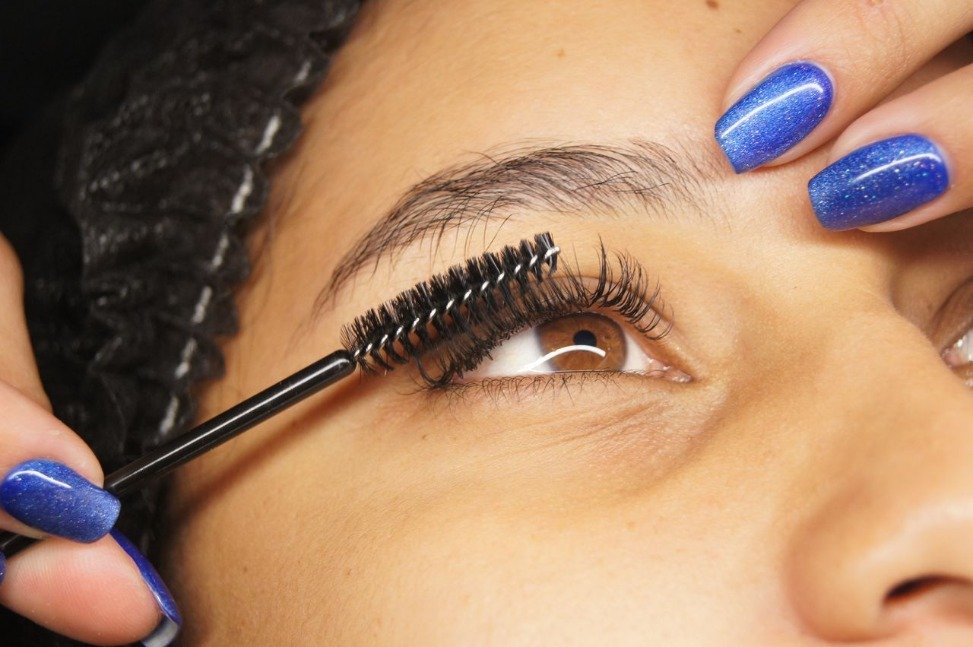
Application technique matters more than most people realize. Apply your serum or oil to the lash line, not just the tips. The follicle is at the root, so that’s where the product needs to reach. Use a clean mascara wand or the applicator included with your serum to distribute it evenly across your upper lash line.
For oils, a light coating is enough. Overloading your lashes with thick layers of castor oil can actually weigh them down and clog the follicle area, which is the opposite of what you want. Consistency over quantity is the rule here.
Daily Habits That Protect and Strengthen Your Lashes
Even the best serum won’t deliver results if your daily habits are working against you. Many common routines, from aggressive makeup removal to improper sleep positions, cause lash breakage and slow growth. The good news is that these habits are easy to change once you know what to look for.
How to Remove Eye Makeup Without Damaging Your Lashes
This is where most people unknowingly do the most damage. Rubbing your eyes with a dry cotton pad to remove mascara puts tremendous friction on the lash shaft and can pull lashes out at the root. Instead, soak a cotton pad thoroughly with a gentle, oil-based makeup remover and hold it against your closed eye for 10 to 15 seconds. Let the product dissolve the mascara before you wipe, and then use a soft downward stroke rather than a back-and-forth scrubbing motion.
Also, reconsider your mascara formula. Waterproof mascara requires significantly more force to remove, which leads to more breakage. If you use it daily, try switching to a regular formula for most days and save the waterproof version for special occasions.
Sleep and Pillow Habits That Affect Lash Longevity
If you sleep face-down or on your side, your lashes press against your pillow throughout the night. Over time, this causes bending, breakage, and even follicle stress. A silk or satin pillowcase reduces friction compared to cotton. It’s a simple switch that protects your lashes, your skin, and the hair on your head all at once.
Back sleeping is ideal for lash health, though it takes some adjustment. If you can’t commit to it fully, start with a silk pillowcase as a practical middle ground.
Mascara Application Mistakes That Break Lashes Over Time
Pumping your mascara wand in and out of the tube pushes air into the formula, which dries it out faster and leads to clumpy, heavy coats that stress the lashes. Instead, swirl the wand inside the tube. Apply mascara from root to tip in a single, fluid motion. Use two thin coats rather than one thick one, and replace your mascara every three months to avoid a dry or bacteria-laden formula that stiffens and breaks lashes.
Conclusion
Getting longer, fuller lashes without extensions is completely achievable. It just requires a consistent approach across nutrition, topical care, and daily habits. Start with the basics, nourish from within, choose the right serum or oil, and protect your lashes from everyday damage. Results take time, but the changes you’ll see are real and lasting. Your natural lashes are worth the effort.