

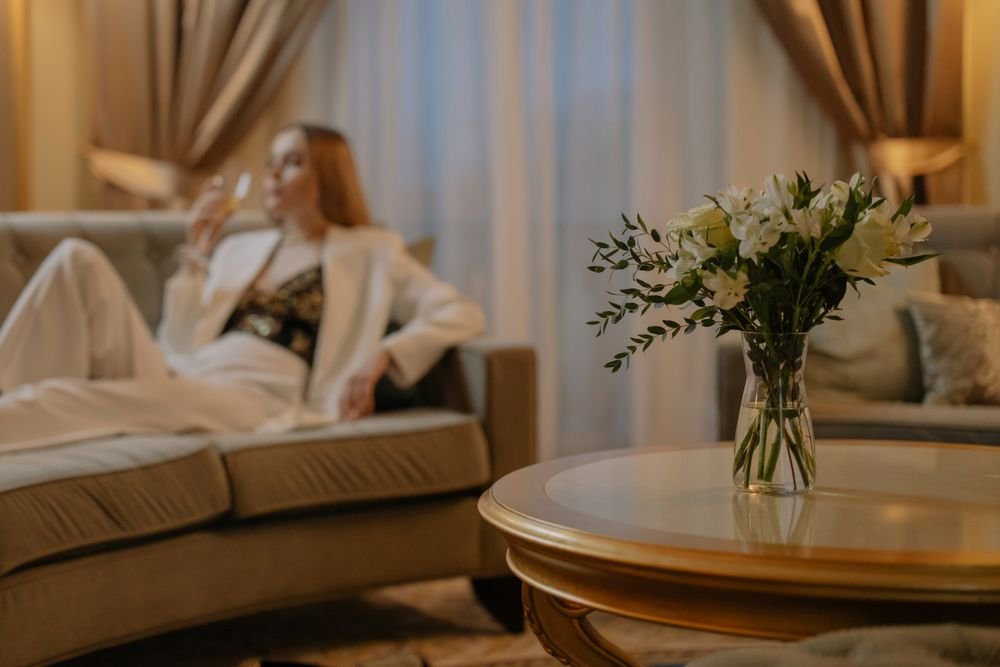
Luxury hospitality has always been defined by exceptional service, beautiful surroundings, and meticulous attention to detail. From magnificent marble lobbies to panoramic suites and world-class spas, prestigious hotels have traditionally distinguished themselves through experiences guests can immediately see and appreciate.
However, a new transformation is taking place behind the scenes. Today’s luxury hotels are increasingly investing in intelligent technology that makes every stay more personalized, convenient, and connected.
From televisions that greet guests by name to smartphones that function as digital room keys, luxury hotel in-room technology is redefining modern hospitality. The goal is not simply to introduce more devices. Instead, leading properties are exploring how technology can deliver seamless experiences without compromising elegance, privacy, or personal service.
As guest expectations evolve, the most sophisticated hotel rooms may soon be those where advanced technology feels almost invisible.
Key Takeaways
-
Personalization is redefining luxury hospitality. Connected hotel systems can tailor welcome messages, languages, and digital services to individual guests.
-
Smart televisions are becoming hospitality hubs. Modern in-room entertainment systems can provide hotel information, dining options, and personalized content.
-
Streaming is an increasingly important amenity. Guests appreciate access to familiar entertainment while traveling.
-
Smartphones simplify the hotel experience. Mobile technology can support reservations, digital room keys, communication, and express check-out.
-
Integrated technology improves consistency. Connected systems help international hotel brands maintain service standards across multiple properties.
-
Luxury technology should feel effortless. The most successful innovations enhance convenience without creating unnecessary complexity.
-
Human service remains essential. Digital solutions work best when they complement traditional hospitality.
For decades, luxury hotels competed through what guests could immediately see: the marble lobby, the panoramic suite, the destination restaurant, the spa or the thread count of the sheets. Today, some of the most significant changes are much harder to notice.
Across leading international brands, the luxury hotel in-room technology is undergoing a quiet digital transformation. The television knows how to welcome you. Your phone can become a room key. Hotel services follow you from one screen to another. Your favorite entertainment can appear on the television without turning the room into a lesson in technology.
Luxury hotel in-room technology is becoming increasingly personal
A generic welcome message once felt technologically advanced. Luxury hospitality is moving toward something considerably more personal.
When hotel technology is connected with the property management system, the room can recognize the context of the stay. A television may welcome the guest by name, automatically display the appropriate language and present information relevant to that particular property.
The same principle extends beyond the TV.
Hotel groups can create consistent digital experiences across multiple touchpoints while allowing each property to retain its own identity, imagery and services. For a luxury brand, this matters.
A guest should feel the same attention to detail digitally that they encounter in the lobby, restaurant or spa.
The television is no longer simply for television
Perhaps nowhere is the change more visible than on the largest screen in the room. Traditional hotel television was largely passive: a list of channels, perhaps a movie menu and some basic property information.
The modern hotel TV is increasingly part entertainment center, part communication channel and part extension of the hotel’s brand.
It can display a personalized welcome, hotel information, restaurants and services, promotional content and interactive options while still providing the live television guests expect.
Hotels can also create their own corporate channels, turning the screen into a curated extension of the property rather than leaving guests to navigate an anonymous channel list.
Your own entertainment now travels with you
Luxury travelers may cross continents, but their entertainment habits rarely stay at home. That has made streaming one of the clearest examples of how guest expectations have changed.
Instead of choosing between unfamiliar television channels, guests increasingly expect to continue watching their own Netflix, YouTube or other streaming content.
Professional hotel casting systems make that possible from a personal device while keeping each room’s connection separate. Some luxury hotel in-room technology can also provide supported streaming apps directly through the television.
The smartphone is becoming the second hotel interface
The other screen transforming the luxury stay is already in the guest’s hand. Instead of forcing travelers to download a different native app for every property, hotels can now offer web-based guest applications that open directly from a mobile browser.
From there, depending on the property, guests may access hotel information, make reservations, communicate with the hotel, complete self check-in, use a digital room key or review their bill before an express check-out.
More importantly, the mobile experience no longer has to exist separately from the room.
What is behind this quieter luxury hotel in-room technology transformation?
Guests rarely know the name of the technology behind their hotel room and that is arguably the point. One of the platforms operating behind these experiences is ZAFIRO,developed by Spanish hospitality technology company Entertainment Solutions.
Rather than treating television, entertainment, mobile services and connectivity as independent layers, ZAFIRO brings TV, Room Entertainment, Mobile, Wi-Fi and digital signage into a connected ecosystem that hotels can manage centrally. Its technology is deployed across more than 150,000 rooms in over 80 countries.
Its portfolio also illustrates how this shift has reached some of hospitality’s best-known names.
ZAFIRO is present at individual properties including Rosewood Villa Magna in Madrid, Hilton Saigon, InterContinental Chiang Mai, Courtyard by Marriott Vadodara and Siam Kempinski Hotel Bangkok.
At Rosewood Villa Magna, for example, the hotel’s IT Director has specifically highlighted how the platform supports a more connected and personalized guest experience while maintaining the flexibility and availability expected from a luxury property.
That is a useful glimpse into what is happening behind the scenes.
The next luxury hotel in-room technology may be something you barely notice
The definition of a sophisticated hotel room is changing. It is still about exceptional design, beautiful materials, comfort and a sense of place. None of that is disappearing.
But the hotel digital experience increasingly sits alongside those traditional markers of luxury.
A personalized screen. Entertainment that follows the guest. Information available without searching for it. A phone that connects naturally to the room. A departure that does not require unnecessary paperwork.
None is particularly spectacular in isolation. Together, they create something far more valuable: a stay that simply feels easier. And that may be the most important shift of all. In modern luxury hospitality, the smartest room may be the one that never makes you think about how smart it is.
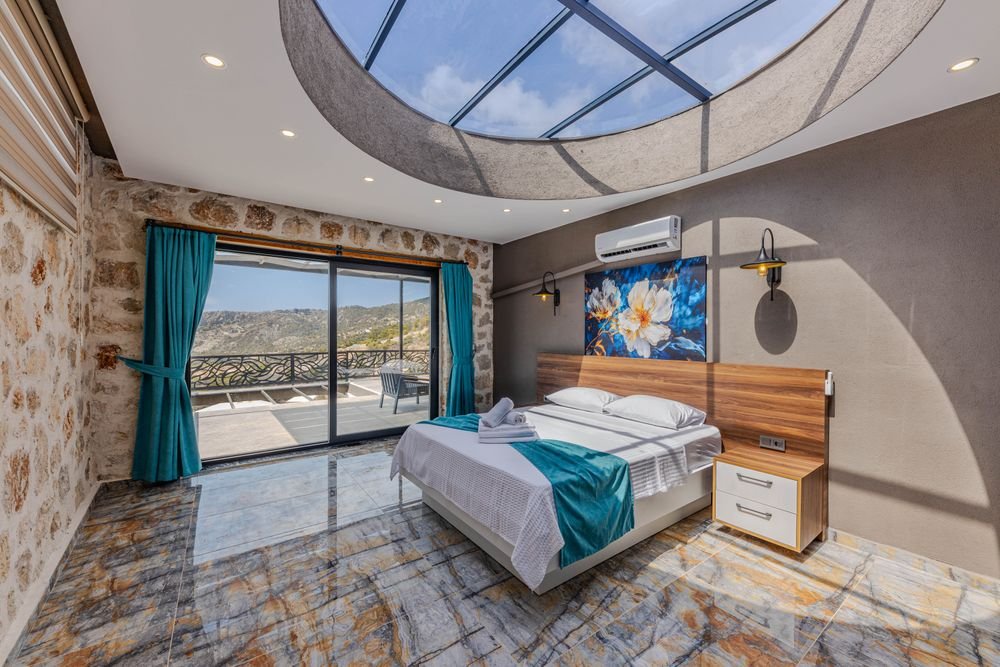
Why Seamless Experiences Are Becoming the New Standard in Luxury Hospitality
Luxury travelers value their time, comfort, and personal freedom.
A beautifully appointed suite remains desirable, but convenience can significantly influence the overall experience.
Imagine arriving at an elegant hotel after a long journey. The television displays a personalized welcome, familiar entertainment is easily accessible, and essential property information is available on a smartphone.
Restaurant reservations, hotel services, and departure arrangements can be managed without unnecessary complications.
None of these features is extraordinary in isolation.
Together, however, they create an environment where guests can focus on enjoying their stay.
This is the emerging promise of connected luxury hospitality: technology that supports the experience without demanding attention.
Conclusion: The Future of Luxury Hospitality Is Effortlessly Connected
The world’s leading luxury hotel brands are discovering that exceptional hospitality extends beyond magnificent interiors, prestigious addresses, and beautiful amenities.
Personalized televisions, secure streaming systems, connected guest services, and mobile conveniences are creating new opportunities to improve the in-room experience.
Technology platforms such as ZAFIRO illustrate how these services can operate within an integrated digital environment, helping hotels deliver consistent experiences across different properties.
Nevertheless, the defining qualities of luxury remain unchanged. Comfort, thoughtful service, privacy, elegance, and attention to detail continue to shape memorable stays.
The future of luxury hospitality is not simply about installing smarter technology. It is about creating environments where innovation and exceptional service work together naturally.
Ultimately, the smartest luxury hotel room may be the one that never makes guests think about how sophisticated its technology truly is.
Editorial note: The ZAFIRO deployment figures and named hotel installations have not been independently verified.