

Key Takeaways
- Decorative concrete can give patios, walkways, driveways, pool decks, and gathering areas a coordinated, custom appearance.
- Successful designs begin with the purpose of the space, then account for drainage, traction, color, texture, and upkeep.
- Samples and test sections help confirm how a finish will look in actual daylight and around existing features.
- Existing concrete may be a candidate for resurfacing when it is stable and structurally sound.
Decorative concrete gives outdoor areas a finished appearance while retaining the practical benefits of a hard surface. Whether the goal is a relaxed dining patio, a durable driveway, or a safer poolside walking area, the best result comes from treating the project as both a design decision and a performance decision.
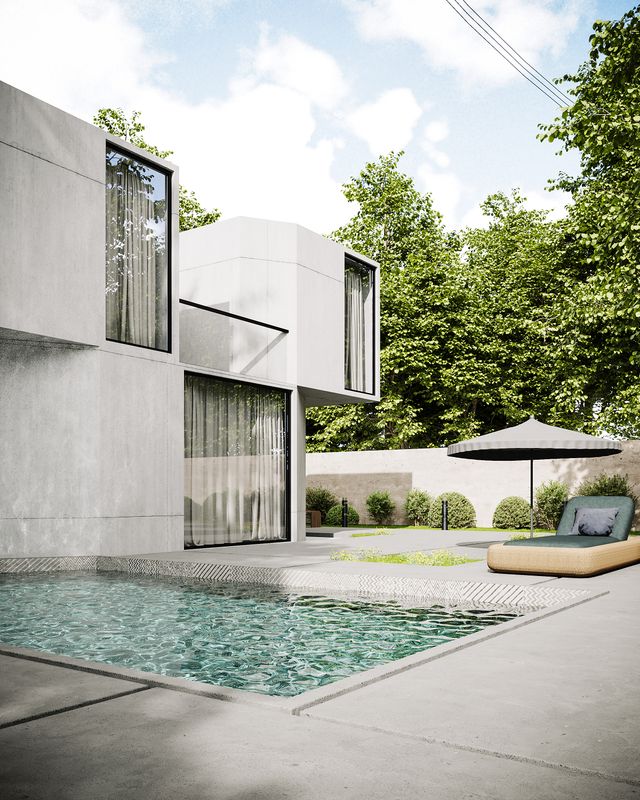
For luxury homes, these surfaces can also become an extension of the property’s architecture. A beautifully finished patio, sophisticated pool deck, custom walkway, or coordinated driveway can help connect the home with its surrounding landscape. Rather than treating concrete as simply functional, homeowners can use color, texture, pattern, and architectural details to create a more refined outdoor environment.
Why Decorative Concrete Works for Luxury Outdoor Living
Outdoor spaces often serve several purposes at once. A patio may be used for meals, conversation, grilling, and access to the yard. A walkway may connect an entry, garden, and side gate. Decorative concrete can visually connect these zones through related colors, borders, or textures without making every surface identical.
Current decorative concrete industry news also offers a useful reminder that decorative work includes more than one look or application. Stamped surfaces, color treatments, overlays, coatings, and specialized finishes can each suit different design goals. The right choice is the one that works with daily traffic, weather exposure, and maintenance expectations.
Extend the Luxury Interior Outdoors
Modern luxury living increasingly treats outdoor areas as genuine extensions of the home. Patios become open-air dining rooms. Pool decks function as resort-inspired lounging spaces. Fire features create evening gathering areas, while landscaped walkways connect different parts of the property.
Decorative concrete can help establish continuity between these spaces. Colors can complement exterior stone, stucco, wood, or architectural details, while patterns and borders can visually define separate entertaining zones.
The objective does not have to be making every surface identical. Instead, the finishes should feel intentionally connected. A restrained palette and coordinated materials can create a more sophisticated result than combining numerous competing patterns.
Start With the Purpose of the Space
Define how people will move through and use the area before selecting a finish.
- Patios: Leave room for furniture, dining paths, grills, and doors that swing outward.
- Walkways: Prioritize direct travel routes, drainage, and dependable footing.
- Driveways: Consider vehicle loads, turning areas, tire marks, and locations where vehicles may drip fluids.
- Pool decks: Plan for wet feet, splash zones, bare-foot comfort, and water movement away from structures.
- Commercial areas: Account for heavier foot traffic, clear circulation, cleaning routines, and accessibility needs.
Planning should start before colors, stamps, or sealers are selected. Homeowners and contractors comparing finishes, tools, and systems can explore Premium Decorative Concrete Supplies at Metropolitan Materials while building a project plan that reflects the site, the intended use, and the condition of the concrete.
Choose a Finish That Complements the Home
Stamped Patterns
Stamped concrete can suggest stone, brick, slate, or wood-inspired textures. Pattern scale matters. A large, bold pattern can help a broad patio feel intentional, while a smaller area may look more balanced with a quieter texture or a simple border. Avoid combining several competing patterns in one compact space.
Photorealistic editorial studio-style image of a finished stamped decorative concrete patio sample, showing a warm neutral stone pattern with a subtle darker border, isolated against a clean light gray background with soft controlled lighting and a polished commercial finish.
Stains and Color Treatments
Color can range from warm earth tones to cooler grays and layered effects. Since sunlight, shade, nearby siding, and landscaping affect perception, review sample boards or a small installed test section outdoors. A tone that looks subtle in a showroom can appear much stronger in direct afternoon sun.
Overlays and Resurfacing
Overlays can be an option for an older surface that remains stable but needs a new appearance. They are not a shortcut around major cracking, slab movement, persistent moisture, or poor drainage. Resolve those underlying conditions first so the decorative finish has an appropriate base.
Create a Resort-Inspired Pool and Patio Experience
Luxury outdoor spaces often borrow inspiration from high-end resorts, where landscaping, water, architecture, furniture, and hardscaping work together.
Around a pool, decorative concrete can help establish this atmosphere through understated colors, thoughtfully selected textures, and borders that complement the home’s architecture. The same approach can continue into dining terraces, outdoor kitchens, firepit areas, and garden pathways.
Comfort and practicality should remain part of the design. Poolside surfaces need to account for water, traction, heat, maintenance, and barefoot use. A beautiful surface becomes considerably more successful when it also works naturally with everyday life.
What Makes an Outdoor Space Feel Luxurious
A well-planned decorative concrete surface fits the way people use the property, complements the building and landscape, drains appropriately, and can be cleaned without unusual effort. It should provide a suitable footing for its location, accommodate movement joints, and still look balanced when viewed from the house, yard, or street.
For a luxury property, however, cohesion is especially important. The surface should complement surrounding architecture, landscaping, outdoor furniture, pools, kitchens, and entertaining areas.
Luxury does not necessarily require elaborate patterns or dramatic colors. In many cases, restrained design, beautiful materials, careful installation, and attention to detail create the most sophisticated result.
Plan Texture, Traction, and Comfort Together
Texture can improve grip in wet locations, but more texture is not always better. Very deep impressions may collect dirt, leaves, or water and can take longer to clean. Consider how the surface will feel underfoot, especially around pools and seating areas where people may walk without shoes. Local rain, snow, freeze-thaw conditions, and seasonal debris should all influence finish selection.
Use Color With Sophisticated Restraint
- Start with the colors already present in the home, fencing, walls, and landscape.
- Choose one main surface tone.
- Add one supporting shade for a border, joint detail, or gentle contrast.
- Use darker colors carefully in locations with intense sun exposure.
- Approve the combination on a test area before finishing the full surface.
For example, a neutral tan or gray patio with a slightly darker border can define the entertaining zone and frame furniture without making the space feel visually crowded.
Think About Drainage Before Decorative Details
Water management belongs in the earliest planning stage. The finished surface should direct water away from buildings and toward appropriate collection or drainage areas. Review slope, joints, downspouts, planting beds, and adjacent hardscape together. Poor drainage can contribute to staining, slippery conditions, ice formation in cold weather, erosion near planting areas, and premature surface problems. Check local requirements when work changes grades or redirects runoff.
Build a Practical Project Schedule
- Measure and inspect: Record dimensions, elevations, access points, cracks, stains, loose material, and uneven sections.
- Choose a design: Compare pattern, color, border, texture, and drainage needs as one system.
- Confirm compatibility: Make sure the selected colors, releases, overlays, stains, and sealers are intended to work together.
- Prepare the site: Protect nearby walls, plants, doors, and fixtures, and plan access for crews and materials.
- Create a sample: Evaluate the finish in the actual setting before committing to the full installation.
- Schedule for conditions: Allow for suitable weather, curing time, and future cleaning or resealing needs.
Common Planning Mistakes to Avoid
- Selecting a color from a small indoor sample alone.
- Skipping preparation because an existing slab appears clean.
- Using too many patterns or colors in a limited area.
- Delaying drainage decisions until after the finish is chosen.
- Forgetting access to equipment, workers, and material delivery.
- Assuming every decorative finish provides the same traction.
What Makes an Outdoor Space Feel Luxurious
A well-planned decorative concrete surface fits the way people use the property, complements the building and landscape, drains appropriately, and can be cleaned without unusual effort. It should provide a suitable footing for its location, accommodate movement joints, and still look balanced when viewed from the house, yard, or street.
Where to Find Design Examples
Before finalizing a concept, review completed work across several application types. The Decorative Concrete Council awards program includes recognized projects in categories such as stamped concrete, overlays, stained surfaces, coatings, and special finishes, making it useful for comparing design approaches.
Frequently Asked Questions
Is decorative concrete suitable for every outdoor area?
It can suit many outdoor applications, but the finish should match the area’s traffic, slope, moisture exposure, climate, and maintenance needs.
Can existing concrete be resurfaced?
Resurfacing may be suitable when the existing base is stable. Significant movement, serious damage, or drainage problems may require repair or a different solution first.
How many colors should an outdoor project use?
One main color and one supporting shade are often enough to create depth and definition. More colors should have a clear visual purpose.
Does texture make concrete safer?
Texture may improve traction, but safety also depends on slope, water control, cleaning, wear, and the selected finish.
Creating a Luxury Outdoor Living Experience
Decorative concrete performs best when appearance and everyday function receive equal attention. Start with the purpose of the space, then plan surface condition, drainage, texture, color, installation timing, and long-term care. The most successful outdoor surfaces are not only attractive. They are practical, comfortable, durable, and appropriate for the people who use them every day.
For luxury homeowners, decorative concrete can become much more than a practical surface. It can help define entertaining areas, frame pools, connect gardens, complement architecture, and establish a cohesive transition between indoor and outdoor living.
Ultimately, luxury outdoor design is about creating an environment that feels considered from every angle. When materials, colors, landscaping, architecture, and functionality work together, even something as practical as concrete can become an important part of a sophisticated outdoor lifestyle.