

Key Takeaways
- Smart homes with smart features consistently command higher sale prices and tend to remain on the market for less time.
- Energy efficiency, enabled by smart technology, is a top priority for buyers aiming for sustainability and lower utility bills.
- Integrated security is highly attractive, offering homeowners and buyers alike assurance and peace of mind.
- Modern conveniences and automation foster an elevated living experience that appeals widely to younger, tech-focused buyers.
In today’s ever-changing residential market, smart home technology is influencing how buyers make decisions and how properties are valued. The shift toward integrating intelligent systems has introduced a new layer of desirability, offering homeowners enhanced convenience, improved security, and energy savings. As the demand for advanced amenities grows, Newport Beach CA real estate agents Jacqueline Thompson Group have observed buyers preferring listings with smart features, driving competition and shaping the market’s future.
Smart homes are no longer rare luxuries; they are rapidly becoming standard expectations in many neighborhoods. The increased adoption of automation and connected devices means potential buyers are seeking these features when browsing homes, comparing listings, and making final purchase decisions. From advanced climate control to robust security, smart features can substantially influence a property’s appeal, final sale price, and the speed at which a home sells.
Boosting Property Value with Smart Home Technology
Smart home upgrades are repeatedly shown to boost property values. A comprehensive study by Coldwell Banker found homes outfitted with modern smart systems typically sell for 5 to 10 percent more than comparable non-upgraded residences. Buyers recognize the bonus of built-in convenience and cost savings, and they are willing to pay a premium for a move-in-ready, tech-enhanced property. This is especially notable in competitive markets, where homes with enhanced systems stand out against traditional listings.
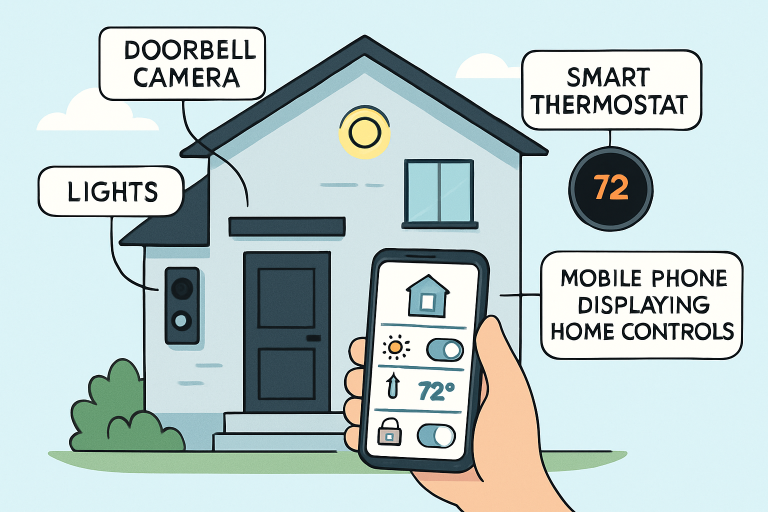
According to Forbes, smart thermostats, integrated speakers, and automated lighting top the list of features that make buyers value a home more, with security systems and smart appliances close behind. Investing in these upgrades is an effective way to future-proof a property and increase resale value.
Energy Efficiency: A Major Selling Point
With rising energy costs and growing environmental concerns, energy efficiency is now a crucial consideration for many buyers. Smart home thermostats and lighting controls not only help lower utility bills but also minimize a household’s environmental impact. Devices that learn user routines and adapt to daily habits are especially attractive; they can autonomously optimize heating or cooling, reducing waste and providing a seamless living experience.
The National Association of Realtors reported that 77 percent of home buyers prefer properties that include energy-efficient features. These innovations can turn eco-conscious intentions into tangible cost savings, fostering satisfaction for both the environmentally focused and those looking to manage expenses. Adding energy analytics that monitor usage and provide actionable feedback can further boost the appeal and long-term value of a home.
Enhanced Security Features
The demand for home security is higher than ever, making advanced safety systems one of the most sought-after smart features. From video doorbells that stream live footage to smartphones to smart locks and sensors that notify homeowners of unusual activity, these tools empower owners to monitor and control their property at any time. This added sense of security not only brings peace of mind but also becomes a headline selling point for real estate agents.
Modern security technologies, such as connected alarms and surveillance cameras, are a major differentiator in listings. Buyers with families, frequent travelers, or those living in urban areas often prioritize homes outfitted with these systems, which can reduce home insurance premiums and deter crime.
Smart Home Convenience and Automation
One of the most noticeable benefits of a connected smart home is the day-to-day convenience it provides. Automated routines for lighting, temperature, and entertainment systems streamline simple tasks and enhance a more comfortable, enjoyable home environment. For instance, voice-activated assistants can control appliances, answer questions, manage schedules, or initiate smart locks and security cameras with simple commands.
Automation is especially appealing for busy professionals and young households, who appreciate the ability to tailor the living space to their routines. Features like remote home management and integration with other devices add an extra layer of control, making daily life seamless and personalized. These innovations attract buyers eager to embrace new technologies and live more efficiently.
Appealing to Tech-Savvy Buyers
Millennials and Gen Z buyers represent a fast-growing share of the real estate market and are often the most enthusiastic about smart home integration. According to studies by the National Association of Home Builders, these groups consider smart features not just beneficial but essential to their vision of an ideal home. Their preferences lean toward properties that support connectivity, digital automation, and streamlined home management.
The emphasis these buyers place on technology signals a generational shift, prompting agents and sellers to adapt their property marketing strategies. Highlighting recent upgrades, demonstrating how intuitive systems work during showings, and highlighting lifestyle improvements can help sellers connect with this segment and secure higher offers.
Faster Sales and Marketability
Smart home features do more than raise home values; they also speed up transactions. Listings that mention advanced technology tend to garner more interest and convert showings into sales at a higher rate. A home that stands out with unique selling points like energy analytics, security automation, or integrated device control often attracts a wider pool of potential buyers, reducing the time a property is listed before closing.
For agents, incorporating these features into marketing materials and online listings is critical. Not only do these features differentiate the home, but they also allow sellers to reach buyers who specifically search for modern, connected properties, further broadening the potential market and ensuring a smoother, more profitable sale.
Final Thoughts
Smart home technology has become an essential factor in the real estate transaction process, transforming how properties are valued, marketed, and chosen. Innovations in security, energy use, and automation drive higher prices and faster sales while providing a better living experience for homeowners. As technology continues to advance and buyer expectations shift, adapting to these preferences will be increasingly important for both real estate professionals and homeowners seeking a competitive edge in the market.