

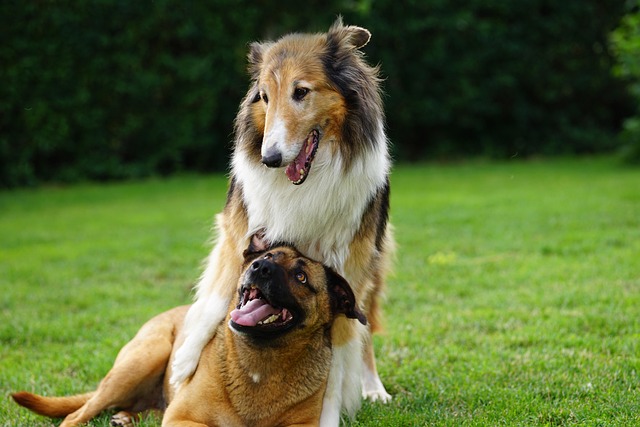
Dog parks provide a social outlet for not only your dog but for you as well. They also allow your dog to burn off some energy, making it easier for him to be on his best behavior when he gets home. Your dog can have fun and get regular exercise which is important to keeping your dog healthy.
As enjoyable as dog parks can be, it is important to know what to expect and set your pup up for success. The first step, before even planning your trip, is to check with your vet to ensure your dog is up to date on all core and recommended vaccines. After that, you can introduce your pup to the dog park.
Know What to Expect
Understanding the leash protocol is important for a successful visit. Expect both on-leash and off-leash areas and abide by those rules. If you plan to keep your dog on leash, it is important to stay in the area for leashed dogs. Even the most mild-mannered dog may become reactive if he is on a leash and approached by one or more off-leash pups.
You should also know how to tell the difference between aggressive or fearful behavior and playfulness, in both your dog and in others. Some barking is normal, but excessive barking, lunging, growling, snapping, flattened ears, attempting to hide, and showing the whites of the eyes are all signs that the dog is not having a good time. It is important to watch for signs of distress from your dog as well as other dogs and leave immediately if you sense a dog is acting aggressively. Even an otherwise friendly dog, can bite if they are scared or stressed. In fact, approximately 20,000 dog bites are reported in Los Angeles each year.
If your dog seems fearful, you may want to head home and try again at a time when the park is less crowded. Another option is leaving the park but staying close enough for your pup to watch what is going on. They may begin to relax and feel more comfortable if they are given some time to acclimate.
Helping Your Dog Adjust to the Dog Park
Your dog might not love the dog park on their first visit, and that’s okay! Many dogs need a few trips to feel comfortable. To help your pup build confidence, try visiting during quieter times, such as early mornings or weekdays, when the park is less crowded.
Handling Aggressive Behavior
If another dog acts aggressively, especially toward your pup, it’s best to leave the park for the day. Your dog isn’t at fault, but staying isn’t worth the risk. A dog fight can lead to costly vet bills and cause lasting anxiety or fear around other dogs.
Clean Up After Your Dog
Always come prepared to clean up after your pup. Bring plenty of waste disposal bags and locate the trash bins when you arrive at the park. Keeping the park clean is a basic courtesy for everyone.
What to Bring and What to Leave Behind
Bring:
-
Waste disposal bags: Essential for cleaning up after your dog.
-
Collar with ID tags: Ensure your dog’s collar has your contact information.
-
Sturdy leash: Even in an off-leash park, a leash helps you quickly manage your dog if needed.
-
Water and a bowl: Dogs often need a drink after playtime, especially in warm weather.
Leave at Home:
-
Treats and snacks: Avoid bringing food for you or your dog. Sharing treats can cause tension among dogs, and giving treats only to your pup can create problems too. If you must bring snacks, keep them in your vehicle.
Know Your Limits
Your dog should know some basic commands before going to the dog park. Following a training routine as a puppy or newly adopted dog will help you control your dog in a dog park setting. Commands like sit, stay and leave it can help you avoid any bad behaviors at the dog park.
Dog parks can be mentally and physically tiring. Even a dog that is accustomed to long walks or who spends a good deal of time in his yard will likely get worn out after 30 minutes or so.
Your first few visits should only be 10 to 15 minutes, gradually increasing the time as your dog becomes more comfortable. Even an active breed, such as a border collie, will get sufficient exercise after an hour or so of play.
It’s better to leave too early than too late. A tired dog is more likely to have a short fuse with other dogs. Always try to leave on a positive note.
If you show up and the park is crowded, you may want to change your plans. Maybe take your pup for a walk and see if the park has cleared out a bit afterwards or maybe head home and try again later. Dogs are easily stressed by overcrowding, and all it takes is one fearful or aggressive pup to start a chain reaction of bad behavior.
Dog parks can be a fun and enriching way to spend time with your pup, but it is important to set you and your pup up for success. By preparing for your visit, you will ensure that you, your dog, and others have a safe and fun experience.