
A truly luxurious wardrobe begins with knowing what deserves a place in it. From exquisite fabrics and impeccable tailoring to distinctive accessories and carefully considered details, the finest fashion choices are defined by quality rather than excess. Shopping with discernment allows you to create a wardrobe that feels polished, personal, and effortlessly sophisticated.
Whether you are purchasing your first investment piece or refining an established designer wardrobe, the process deserves careful consideration. From selecting the right fashion house to understanding materials, construction, fit, authenticity, and long-term value, knowing what to look for can make every purchase more rewarding.
What Makes Designer Fashion Worth the Investment?
The appeal of designer fashion often begins with design, but craftsmanship is what gives a piece lasting significance. Luxury houses typically place considerable emphasis on materials, construction, finishing, and distinctive design details.
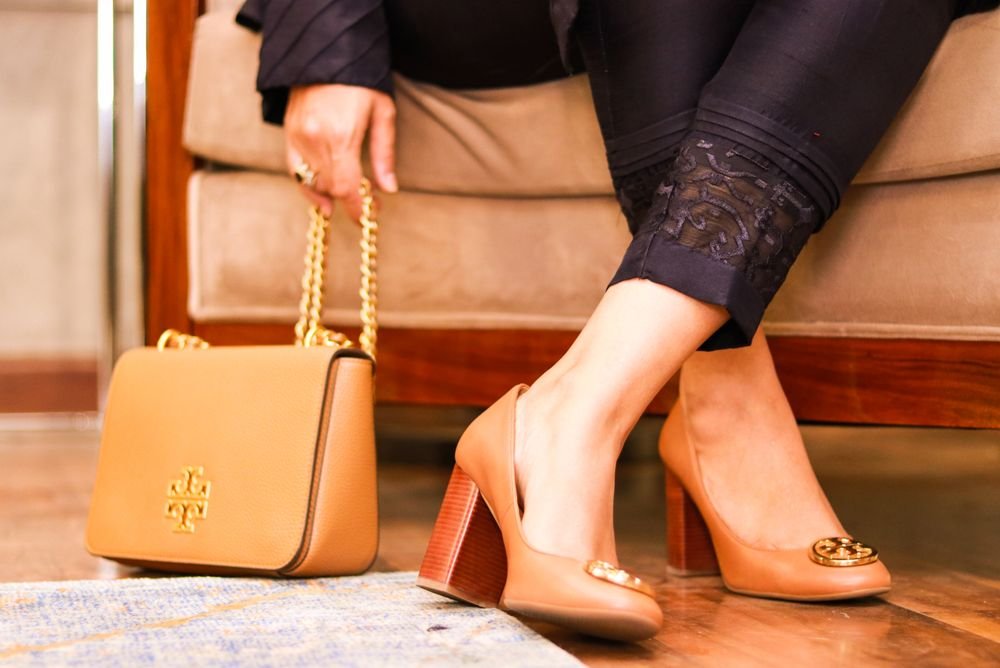
A beautifully made jacket, leather handbag, pair of shoes, or silk garment can offer a different experience from mass-produced fashion. The difference may appear in the precision of stitching, quality of hardware, fabric selection, lining, structure, or finishing.
That does not mean every designer item automatically represents excellent value. Instead, luxury shoppers should learn to evaluate the individual piece rather than purchase solely because of its name.
Start With Your Personal Style
The smartest luxury wardrobe begins with personal style rather than a shopping list of famous logos. Before purchasing a designer piece, consider whether it complements the clothes, accessories, and lifestyle you already have.
Ask yourself how frequently you will wear it. A beautifully tailored blazer that works with trousers, denim, skirts, and dresses may ultimately deliver more value than a dramatic seasonal piece worn once.
Likewise, consider whether the design feels authentic to you. Luxury fashion should enhance your identity rather than replace it.
Understand the Fashion House
Every major fashion house has its own design language. Some are recognized for architectural tailoring, while others are associated with exceptional leather goods, couture techniques, distinctive prints, minimalist silhouettes, or avant-garde experimentation.
Learning a brand’s history can make shopping more interesting and more strategic. Understanding its signature materials, iconic silhouettes, craftsmanship, and design philosophy can help you recognize pieces that genuinely represent the house.
It can also prevent impulse purchases based solely on current popularity.
Examine Materials and Craftsmanship
When considering a significant luxury purchase, look beyond the exterior. Examine the fabric, stitching, hardware, lining, closures, seams, and overall construction.
With leather goods, consider the type and finish of leather, edge finishing, hardware quality, interior construction, and how the material is likely to age. With tailoring, examine the structure of the garment, fabric weight, seams, buttons, lining, and finishing.
Luxury is often found in details that are easy to overlook at first glance.
Choose Investment Pieces Carefully
Not every designer purchase needs to be an investment in the financial sense. However, certain categories can become particularly important foundations of a luxury wardrobe.
- Exceptional leather handbags
- Well-tailored jackets and coats
- Fine cashmere and wool garments
- Classic silk pieces
- High-quality leather shoes
- Distinctive designer accessories
- Iconic pieces with enduring design recognition
The key is choosing pieces you genuinely intend to use. A garment that remains beautiful in your wardrobe for years can provide considerably more satisfaction than a trend-driven purchase that quickly loses relevance.
Think Beyond Seasonal Trends
Fashion changes constantly, but luxury wardrobes benefit from balance. Seasonal pieces can add excitement and personality, while enduring silhouettes provide structure.
A sophisticated wardrobe might combine contemporary runway pieces with classic tailoring, heritage accessories, understated staples, and carefully selected statement items.
This creates versatility while allowing personal style to evolve.
Know Your Measurements Before Buying
Fit can determine whether an expensive garment looks exceptional or merely expensive. Designer sizing can vary considerably between fashion houses and even between collections.
Know your current measurements and compare them with the brand’s size information whenever possible. For tailoring and structured pieces, consider whether the garment can realistically be altered.
Some luxury houses place particular emphasis on alterations and personalized fitting. CHANEL, for example, notes that its boutiques can provide information about custom alterations for certain fashion pieces. :contentReference[oaicite:0]{index=0}
The Luxury of Shopping In Person
Online shopping has transformed access to designer fashion, but there is still something special about visiting a luxury boutique.
In person, you can examine materials, compare silhouettes, experience the construction firsthand, and speak with a fashion advisor about fit and styling. The boutique experience can also provide access to pieces, services, and personalization options that are difficult to evaluate through a screen.
For particularly significant purchases, the opportunity to slow down and experience the garment before committing can be invaluable.
How to Shop Designer Fashion Online
Online luxury shopping can be remarkably convenient, but it requires greater attention to detail. Before purchasing, review the complete product description, measurements, material information, return policy, shipping charges, taxes, and seller information.
The Federal Trade Commission recommends comparing the total cost of an online purchase and carefully reviewing product descriptions and fine print. It also warns that unusually low prices on expensive brand-name merchandise can be a warning sign for counterfeit or stolen goods.
Luxury shoppers should also avoid relying exclusively on ratings or social media popularity when evaluating an unfamiliar seller.
The Importance of Wardrobe Authenticity
Authenticity is one of the most important considerations when buying designer fashion outside an authorized boutique or retailer.
Counterfeit products can be sophisticated, making authentication increasingly important within the luxury resale market. Details such as materials, stitching, typography, hardware, serial information, packaging, and construction can all play a role in professional authentication.
For example, Vestiaire Collective describes a process involving digital verification, physical inspection, quality control, and trained authentication specialists. Its experts may examine materials, finishes, stitching, serial numbers, engravings, packaging, and invoices.
The RealReal similarly states that its authentication process combines human expertise with technology and machine learning, with specialists trained to evaluate brand-specific details and craftsmanship.
For especially valuable purchases, buying directly from the fashion house or an authorized retailer remains the simplest route to authenticity. CHANEL, for example, states that authenticity is guaranteed when products are purchased from its boutiques or authorized retailers.
Should You Consider Pre-Owned Designer Fashion?
Pre-owned luxury fashion can open the door to exceptional pieces that are no longer available through current collections. Vintage fashion can also provide access to distinctive designs, discontinued colors, archival silhouettes, and pieces with cultural significance.
However, condition and authenticity become especially important. Examine photographs carefully and look for detailed descriptions of wear, repairs, stains, alterations, missing accessories, and other imperfections.
Professional authentication can add another layer of confidence. The RealReal and Vestiaire Collective both describe extensive authentication processes for luxury resale. :contentReference[oaicite:5]{index=5}
Consider Cost Per Wear
One useful way to evaluate a luxury purchase is to consider cost per wear rather than focusing exclusively on the original price.
A beautifully made coat worn dozens of times each season may provide more practical value than a less expensive garment that quickly loses its shape. Likewise, a handbag that becomes a dependable part of your wardrobe can justify its price through years of use.
This approach encourages thoughtful consumption without suggesting that every designer purchase must be financially justified.
Take Care of Your Designer Wardrobe
Luxury fashion deserves luxury-level care. Follow the manufacturer’s cleaning and storage recommendations rather than assuming every garment can be treated the same way.
Leather handbags may require specialized care, delicate fabrics can need professional cleaning, and structured garments should be stored in ways that protect their shape.
CHANEL, for instance, provides separate care guidance for categories including handbags, small leather goods, footwear, and jewelry. :contentReference[oaicite:6]{index=6}
Proper care can preserve both the appearance and usability of a cherished designer piece for years.
Build a Wardrobe With a Point of View
The ultimate luxury is having a wardrobe that feels unmistakably personal.
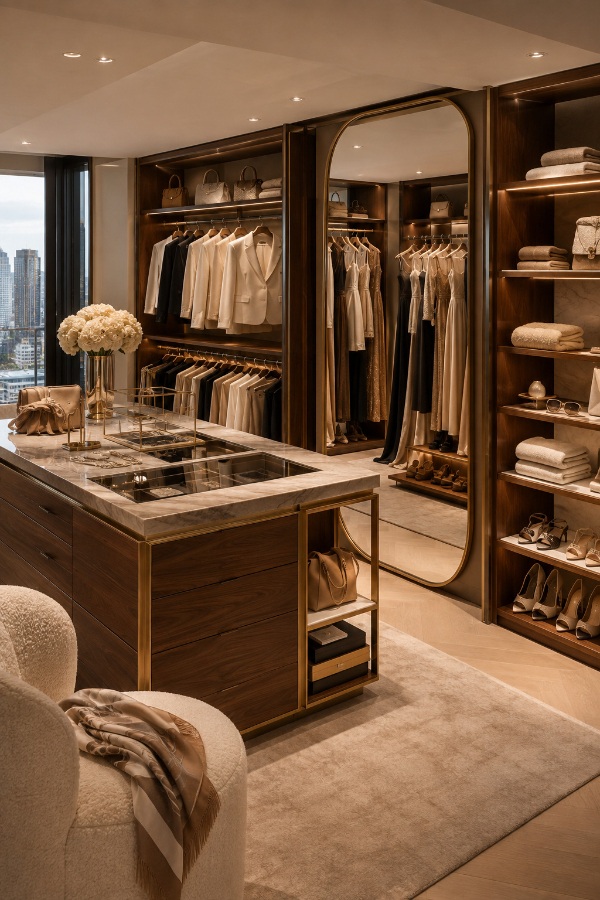
Rather than collecting designer names, collect pieces that tell your story. Perhaps that means a beautifully tailored black jacket, an exceptional leather handbag, a silk evening dress, a pair of expertly crafted shoes, or an unforgettable statement accessory.
The strongest luxury wardrobes are rarely defined by quantity. They are defined by discernment.
The Golden Rules of Luxury Shopping
- Buy quality rather than simply buying a recognizable name.
- Choose pieces that genuinely reflect your personal style.
- Examine construction, materials, and finishing.
- Prioritize fit and alteration potential.
- Research unfamiliar sellers before purchasing.
- Be especially cautious of luxury items offered at unusually low prices.
- Use authentication services when purchasing from resale marketplaces.
- Consider versatility and long-term wear.
- Follow proper care instructions.
- Let your wardrobe evolve rather than chasing every trend.
Conclusion
The luxury shopper’s approach to designer fashion is ultimately about discernment. The most rewarding purchases are not necessarily the most expensive or recognizable. They are the pieces that combine exceptional craftsmanship, beautiful design, authentic quality, and personal meaning.
Whether shopping directly from a fashion house, discovering an emerging designer, or exploring authenticated pre-owned fashion, take the time to understand what you are buying. A thoughtfully selected designer wardrobe can become more than a collection of beautiful clothes. It can become an expression of taste, confidence, individuality, and a sophisticated approach to modern luxury.
Sources
- Federal Trade Commission — Online Shopping Consumer Advice
- CHANEL — Fashion FAQ and Product Care
- The RealReal — Authentication FAQ
- Vestiaire Collective — Authentication & Quality Control