
Key Takeaways
- Purchase price is only one part of the cost of owning a coastal property.
- Water access, insurance, storm exposure, upkeep, and association rules can change a home’s true value.
- Different Orange Beach locations work better for different goals, including full-time living, boating, vacation use, and rentals.
- A sound comparison considers daily convenience, total ownership costs, and resale flexibility.
Two Orange Beach homes with similar list prices can create completely different ownership experiences. One may offer a short walk to the Gulf, while another may provide protected boating access, more storage, or a quieter year-round setting. The strongest choice is rarely the one with the most impressive listing photos. It is the one that matches how the buyer plans to use it and what the buyer can comfortably maintain.
Buyers beginning their search can review Orange Beach Homes for sale through the Leigh McPherson Team, a luxury coastal real estate team serving Orange Beach, Ono Island, Perdido Key, and nearby Alabama and Florida Gulf Coast communities. The page combines current residential listings with neighborhood and lifestyle information, making it a useful starting point for comparing beachfront, canal-front, condo, and inland options with local market context.
Why a Broader Comparison Matters
Orange Beach includes beachfront homes, canal properties, bayfront residences, condos, and homes in established neighborhoods. Each can serve a different purpose. A primary residence needs practical storage, dependable access, and comfort in every season. A second home may benefit from lock-and-leave features and simple exterior maintenance. A vacation rental needs a careful review of local rules, association policies, operating expenses, and demand patterns.
Before scheduling tours, identify the main reason for buying. A future retirement home may need fewer stairs, easy access to medical care, and a layout that supports aging in place. A boat owner may place dockage, water depth, bridge clearance, and proximity to open water ahead of beach proximity. Defining the goal first prevents buyers from comparing every property by the same narrow standard.
Compare Locations by Daily Lifestyle
Beachfront Areas
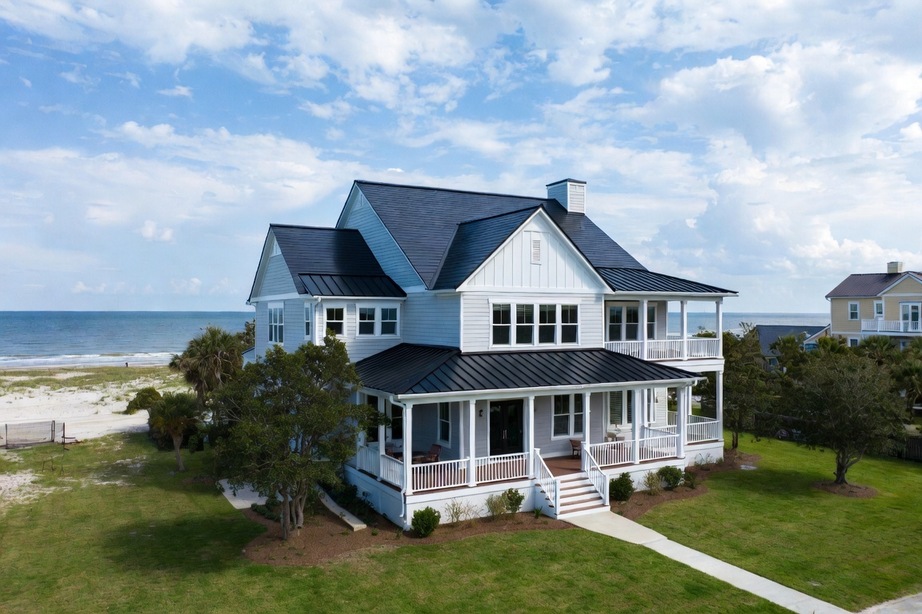
Beachfront homes provide direct Gulf access, expansive views, and a highly recognizable coastal lifestyle. They can also face heavier salt exposure, more visitor activity, and potentially greater insurance and exterior-maintenance needs. Buyers should visit at different times of day to understand parking, traffic, noise, and seasonal activity.
Canal-Front, Bayfront, and Boating Areas
Canal-front homes can be especially appealing for owners who want a dock outside the door. Look beyond the water view. Confirm dock condition, seawall condition, water depth, canal width, bridge clearance, and the practical route to larger waterways. A beautiful waterfront setting is less useful if the property does not accommodate the boat or boating routine the owner expects.
Ono Island, Bear Point, and Terry Cove
Ono Island may suit buyers seeking privacy, waterfront surroundings, and a more removed residential atmosphere. Bear Point and Terry Cove can appeal to buyers who want water-oriented living with access to local conveniences. In every area, compare travel time to groceries, restaurants, healthcare, schools, beaches, and evacuation routes. A home that feels ideal on a Saturday afternoon should also work on an ordinary weekday in January.
Match the Property Type to the Goal
- Beachfront home: Best for Orange Beach buyers who prioritize views and direct beach access. Ask about wind, flood, homeowner’s insurance, roof age, windows, decks, and exterior repair history.
- Canal-front home: A strong option for boating and outdoor living. Review marine structures, permits, water access, and future repair responsibilities.
- Inland neighborhood home: Often offers a more residential feel, potentially simpler upkeep, and reduced beach traffic. Compare beach access, neighborhood character, and distance to services.
- Luxury condo: Can be convenient for second-home owners who value shared amenities and professionally managed exterior maintenance. Read association documents closely, including fees, reserves, rental policies, pet rules, and assessments.
Calculate the Full Cost of Ownership
The monthly mortgage payment is only the beginning. Build a property-specific estimate that includes property taxes, homeowner’s insurance, wind and flood coverage, HOA fees, utilities, pest control, pool service, landscaping, and seasonal maintenance. Rental owners should also include management, cleaning, booking, furnishing, and replacement costs.
Coastal maintenance deserves special attention. Salt air, humidity, wind, and sun can affect roofs, siding, fasteners, windows, decks, exterior paint, HVAC equipment, docks, seawalls, and pool systems. Rather than relying on a generic annual maintenance figure, inspect the home’s age, exposure, construction, improvements, and waterfront features. Then set aside a realistic reserve for repairs.
Review Market Evidence Before Making an Offer
List price is an opening position, not proof of value. Compare recent closed sales that closely match the home by location, water access, condition, age, size, view, lot characteristics, and amenities. Separate condos from single-family homes, and beachfront properties from canal-front or inland properties. These categories can behave differently even within the same city.
Also, review days on market, price changes, and the difference between the original list price and the final sale price. A home that has been available for an extended period may deserve closer scrutiny, although it may also present an opportunity if the issue is cosmetic or the timing is right. Recent sales provide context, but they do not replace a professional review of the individual property.
Complete Coastal Due Diligence
- Review the flood zone, elevation information, and the property’s prior insurance history.
- Request homeowners, wind, and flood insurance quotes early in the inspection period.
- Inspect the roof, windows, siding, drainage, decks, pilings, seawall, dock, and pool when applicable.
- Ask for records related to storm damage, repairs, permits, renovations, and warranties.
- Confirm that additions, docks, pools, lifts, and other improvements were properly permitted.
- Check nearby zoning, planned development, and infrastructure activity that could affect views, traffic, or neighborhood conditions.
Buyers can use the City of Orange Beach Planning and Zoning resources to research land-use processes, zoning information, and development considerations. For flood-zone research, the FEMA Flood Map Service Center is a practical starting point, although insurance professionals and local experts should help interpret how the information applies to a specific address.
Compare Lifestyle Value, Not Just Features
Picture a normal week in each home. Is there enough parking for guests? Will outdoor spaces be manageable in humid, salty weather? Is the layout useful for remote work, visiting family, or future mobility needs? Does the area feel private, social, busy, or quiet during both peak and off-season periods? These questions often matter more over time than an extra bedroom or a newer appliance package.
Common Orange Beach Buyer Questions
Is a beachfront home always the best choice?
No. Beachfront homes offer exceptional access and views, but they may also bring higher exposure, insurance, and maintenance demands. The best fit depends on priorities and budget.
Should buyers choose a condo instead of a house?
A condo can simplify some maintenance, but buyers should understand association fees, reserves, rental restrictions, assessments, and rules before deciding.
What makes an Orange Beach home easier to resell?
Strong location, useful parking, practical layouts, documented improvements, appealing outdoor areas, manageable costs, and flexible use can all support future buyer appeal.
Final Thoughts
The best Orange Beach purchase is not automatically the largest home or the closest one to the Gulf. It is the property that aligns with the buyer’s intended use, lifestyle, maintenance tolerance, and long-term financial plan. Comparing location, property type, total costs, condition, and resale flexibility creates a clearer path to a confident coastal purchase.