

Introduction
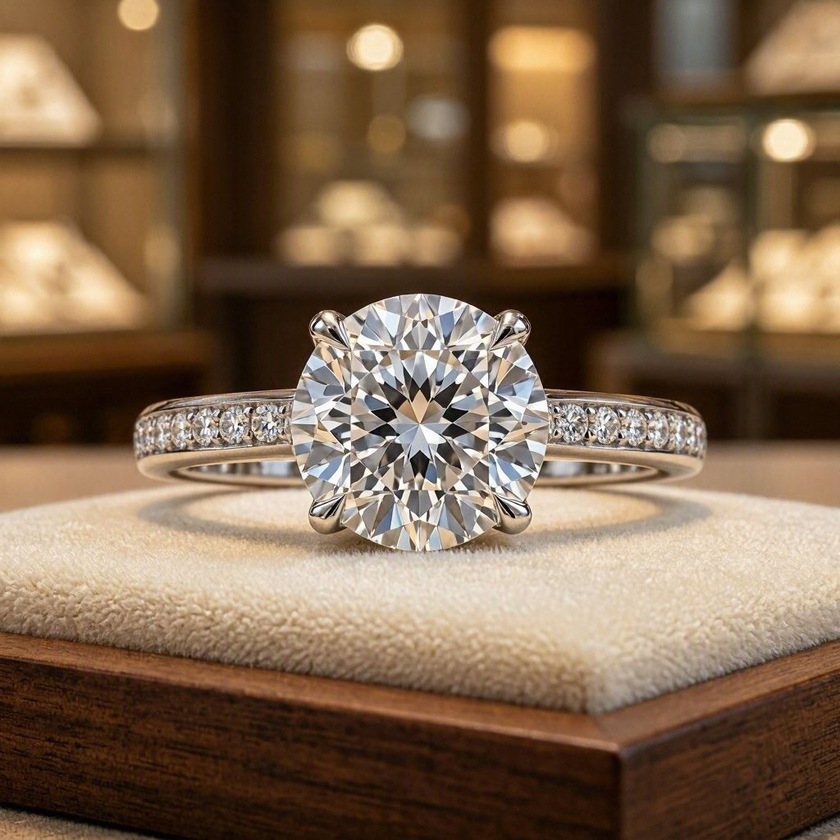
An engagement ring marks a beautiful promise and a deeply personal commitment. From classic diamond solitaires to modern three-stone designs, each ring tells a unique story. The right engagement ring should reflect personal style, lifestyle, and the love behind the proposal. Understanding popular engagement rings makes it easier to find a design that feels meaningful and lasting.
Key Takeaways
- The best engagement ring suits the wearer’s everyday routine, not just a proposal photo or a display case.
- The diamond shape affects visual size, finger coverage, styling, and how the ring feels on the hand.
- The setting influences security, height, cleaning needs, and long-term comfort.
- Low-profile and protective designs can be especially useful for active or hands-on lifestyles.
- Current trends can provide inspiration, but personal preference and practicality should guide the final choice.
Start With Real Life, Not a Trend
An engagement ring is worn through commutes, workdays, holidays, exercise, errands, and quiet evenings at home. Before comparing stones, consider how the wearer uses their hands and which designs would feel natural in everyday wear. Browsing diamond engagement ring Toronto can be a useful starting point once you understand the balance of style, comfort, and durability you are looking for.
A ring does not need to be understated to be practical, but it should fit the wearer’s habits. Someone who frequently wears gloves, works with children, gardens, travels, lifts weights, or works with tools may prefer a smoother profile than someone who mainly wants a bold piece for office and formal wear.
Start by separating lasting preferences from passing inspiration. Saved social media images can reveal useful patterns, such as a love of yellow gold, elongated stones, or minimal bands. Still, a design that photographs beautifully may not always feel comfortable while cooking, typing, or carrying bags.
Ask a few straightforward questions before narrowing the search: Will the ring be worn daily? Does the wearer prefer subtle jewelry or a noticeable center stone? Are they comfortable with periodic cleaning and professional inspections? The answers create a clear direction before individual features become overwhelming.
Step One: Match the Engagement Ring to the Wearer’s Routine
Create a simple lifestyle profile. List regular activities, note anything that could catch or strike a raised stone, and consider whether the wearer likes a lightweight, smooth, or substantial feel. Also, decide how much maintenance is realistic. A ring should support a life well lived rather than become something that is constantly removed and stored away.
For example, a climber, gardener, healthcare worker, or hands-on professional may appreciate a securely set stone and a lower silhouette. Someone drawn to a dramatic, formal look may happily choose a higher setting or more delicate details. Recent discussion of rings that fit naturally into daily routines reflects why wearability has become an important part of modern ring selection.
Step Two: Compare Popular Diamond Shapes
Shape changes the personality of the ring as much as its size. There is no universally best option, so focus on what complements the wearer’s taste and hand shape.
- Round: A classic, balanced shape known for lively sparkle and easy styling.
- Oval: An elongated outline that can create generous finger coverage.
- Emerald: A sleek rectangular shape with broad, clean facets and a refined appearance.
- Radiant: A rectangular or square form that combines crisp edges with bright sparkle.
- Princess: A square shape with a sharp, modern character.
- Asscher: A geometric, step-cut shape with strong vintage influence.
- Pear: A distinctive teardrop that can be worn with the point facing toward or away from the hand.
- Marquise: A long, pointed shape that creates a dramatic visual line.
This year, elongated shapes and east-west settings have received particular attention, including ovals, marquise cuts, and elongated cushions. These directions can help a buyer explore possibilities, but a classic round solitaire or emerald cut can be equally personal and enduring.
Step Three: Choose a Setting for Protection and Style
The setting does much more than hold the center stone. It determines how exposed the diamond is, how high the ring sits, how easily it catches on fabric, and how much detail the overall design has.
- Solitaire: Keeps the focus on one center stone for a clean, versatile look.
- Halo: Frames the center diamond with smaller stones for extra sparkle and visual presence.
- Pavé: Uses small diamonds along the band to add texture and brilliance.
- Three-stone: Creates a balanced design with a center stone and two side stones.
- Bezel: Surrounds part or all of the stone with metal for a smooth, protected edge.
- Prong: Uses small metal claws to secure the stone while leaving more of it visible.
Step Four: Think About Setting Height
A low-profile setting sits closer to the finger and often feels secure for active routines. A medium profile offers a compromise between presence and practicality. A high profile can create dramatic height and may leave more room for certain wedding bands, but it can also snag more easily on clothing or hair.
The right height depends on the stone shape, band width, hand movement, and wedding band plans. Try the ring on from the side as well as the top. A beautiful overhead view matters, but comfort is usually decided by the profile.
Step Five: Select a Metal With Color and Care in Mind
- Yellow gold: Adds warmth and works well for traditional or vintage-inspired styles.
- White gold: Creates a bright, cool-toned look that suits many diamond shapes.
- Rose gold: Offers a soft, warm color with a romantic character.
- Platinum: Has a naturally pale appearance and a substantial feel.
Consider existing jewelry, skin sensitivity, preferred band thickness, and the metal’s appearance after regular wear. The right choice should look intentional when paired with the wearer’s everyday pieces.
Step Six: Plan for the Wedding Band
An engagement ring should not be chosen in isolation. Some settings allow a straight wedding band to sit flush against them, while others need a curved, contoured, or custom-fitted band. Try different widths together, check whether the rings rub, and decide whether a small gap is acceptable. A gap is not automatically a flaw. It may simply suit the setting’s structure better.
Step Seven: Balance Diamond Quality and Budget
Use the four Cs to compare diamonds: cut affects light performance, color describes warmth or colorlessness, clarity refers to internal and surface characteristics, and carat measures weight. Carat alone does not determine beauty. A well-proportioned stone with strong light return can look more compelling than a larger diamond with weaker visual performance.
Set a total budget before shopping, then leave room for resizing, insurance, cleaning, and future maintenance. Prioritize the qualities that matter most to the wearer rather than stretching the budget for a single specification.
Final Decision Checklist
- Does the shape suit the wearer’s genuine taste?
- Does the setting feel secure and comfortable?
- Will the ring work during normal activities?
- Can it pair well with a future wedding band?
- Does the metal complement existing jewelry?
- Is the total budget realistic after ongoing care costs?
- Would the design still feel meaningful without a current trend behind it?
Conclusion
The strongest engagement ring choice is one that feels beautiful, comfortable, and personal every day. Diamond shape and setting matter, but so do routine, proportion, maintenance, and future plans. Let trends offer ideas, then choose the ring that best reflects the person who will wear it for years to come.
Choosing an engagement ring is about more than selecting a beautiful piece of jewelry. The best ring complements the wearer’s style, comfort, and everyday lifestyle. Classic solitaires, halo rings, three-stone designs, and oval diamonds remain popular choices. Ultimately, the perfect engagement ring is the one that feels personal, beautiful, and meaningful for years to come.