


Key Takeaways
- Dental implants offer a sturdy and natural-looking replacement for lost teeth.
- Not every patient is an ideal candidate; factors such as health and jawbone strength are significant.
- Understanding the entire process and being aware of both benefits and potential risks is crucial to a successful outcome.
Choosing to replace missing teeth is a significant decision that can impact your oral health and overall quality of life. As more people seek practical, long-lasting solutions, dental implants have emerged as a preferred method for restoring function and appearance. However, understanding whether this option suits your needs is essential before beginning the journey to a renewed smile.
Dental implants are not universally ideal for every patient. Several factors, from your overall health to the condition of your jawbone, play crucial roles in determining eligibility. Educating yourself on the process, benefits, and possible risks will help you make a well-informed choice that suits your circumstances and preferences.
Committing to dental implants is about more than improving your appearance. The decision can affect your oral functionality, self-esteem, and even your long-term oral health. Speaking openly with your dentist and learning more about the comprehensive process will help clarify whether implants are the right step for you.
As you consider your personal needs, it may also be helpful to explore broader resources such as the Mayo Clinic’s guide to dental implants, which offers additional insights into candidacy and recovery.
Understanding Dental Implants
A dental implant involves surgically placing a titanium post directly into the jawbone to serve as a stable anchor for a replacement tooth or bridge. Over time, the bone in your jaw fuses to the titanium post through a process called osseointegration, ensuring the implant remains secure and functional. Unlike dentures, which sit on the gum surface, implants are designed to function just like your natural teeth, providing a solid base for chewing, speaking, and smiling confidently.
Who Is a Good Candidate?
Dental implants are best suited to patients who possess the following characteristics:
- Good overall health that supports proper healing after surgery.
- Adequate jawbone density to securely anchor the implant.
- Healthy gum tissue that is free from active periodontal disease.
Although many patients fall into these categories, certain conditions, such as poorly managed diabetes, heavy smoking, or chronic medical conditions, can complicate healing and increase the likelihood of implant failure. Age alone does not determine eligibility, but your dentist will assess your entire medical and oral health history before recommending dental implants.
Benefits of Dental Implants
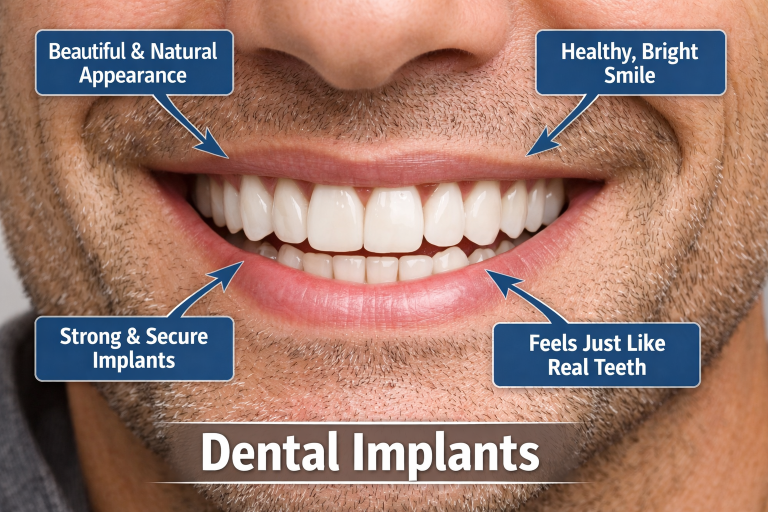
- Natural Appearance: Dental implants look and feel much like natural teeth, blending in seamlessly with your smile.
- Long-Term Durability: When properly cared for, implants can last decades or even a lifetime, offering a permanent solution for tooth loss.
- Jawbone Preservation: Because implants stimulate the jawbone, they help prevent the bone loss that often occurs after losing a tooth.
- Comfort and Function: Implants restore your ability to chew and speak normally, improving daily comfort and quality of life.
Potential Risks and Considerations
While dental implants have a strong track record for success, they do not come without potential complications. Risks to consider include:
- Implant site infection, which may require antibiotics or implant removal.
- Potential damage to adjacent teeth, nerves, or blood vessels during surgery.
- Nerve injury, which can cause persistent pain, numbness, or tingling in the chin, gums, or lips.
- Sinus complications are especially common for implants placed near the upper jaw.
Strict adherence to aftercare instructions and maintaining excellent oral hygiene are necessary to minimize these risks and promote long-term success.
The Procedure: What to Expect
The process of receiving a dental implant typically involves several distinct stages:
- Consultation and Planning: A dentist evaluates your dental and medical history, takes x-rays or scans, and creates a custom treatment plan.
- Surgical Placement: The titanium implant post is surgically inserted into the jawbone under local anesthesia in a minor outpatient procedure.
- Healing and Integration: Osseointegration, in which the implant bonds to bone, occurs over 3 to 6 months.
- Abutment Placement: Once healed, a small connector post (abutment) is attached to the implant.
- Restoration: A crown, bridge, or denture is custom-made and attached to the abutment for a seamless finish.
The entire process requires patience and can span several months, but the outcomes, stability, strength, and a natural appearance make this a worthwhile solution for many patients.
Alternatives to Consider
For those who are not ideal candidates for dental implants, alternative restorative options are available:
- Fixed Bridges: These prosthetics rely on support from neighboring healthy teeth and are a common choice for one or more missing teeth in a row.
- Partial or Complete Dentures: Removable appliances that effectively replace multiple missing teeth, though they may not offer the same level of stability as implants.
Each alternative has its own benefits and limitations, which should be thoroughly discussed with your dental care provider to identify the option that best matches your needs and lifestyle. For more in-depth comparisons, the Colgate guide on dental implants can help you better understand all available options.
Making an Informed Decision
Your dental health, personal preferences, and financial situation all play a role in your final decision. Consultation with your dental professional is essential. Factors such as your willingness to commit to aftercare, existing health conditions, and expectations for long-term results should all be carefully weighed before proceeding with dental implant surgery. To maximize longevity and maintain results, prioritize good oral hygiene and schedule routine dental check-ups.
Reliable, well-researched resources, such as the FDA’s guidelines on dental implants, can provide additional clarity as you navigate this decision-making process.
By equipping yourself with thorough knowledge, you can take confident steps toward a solution that improves your oral health today and preserves your bright smile for years to come.