

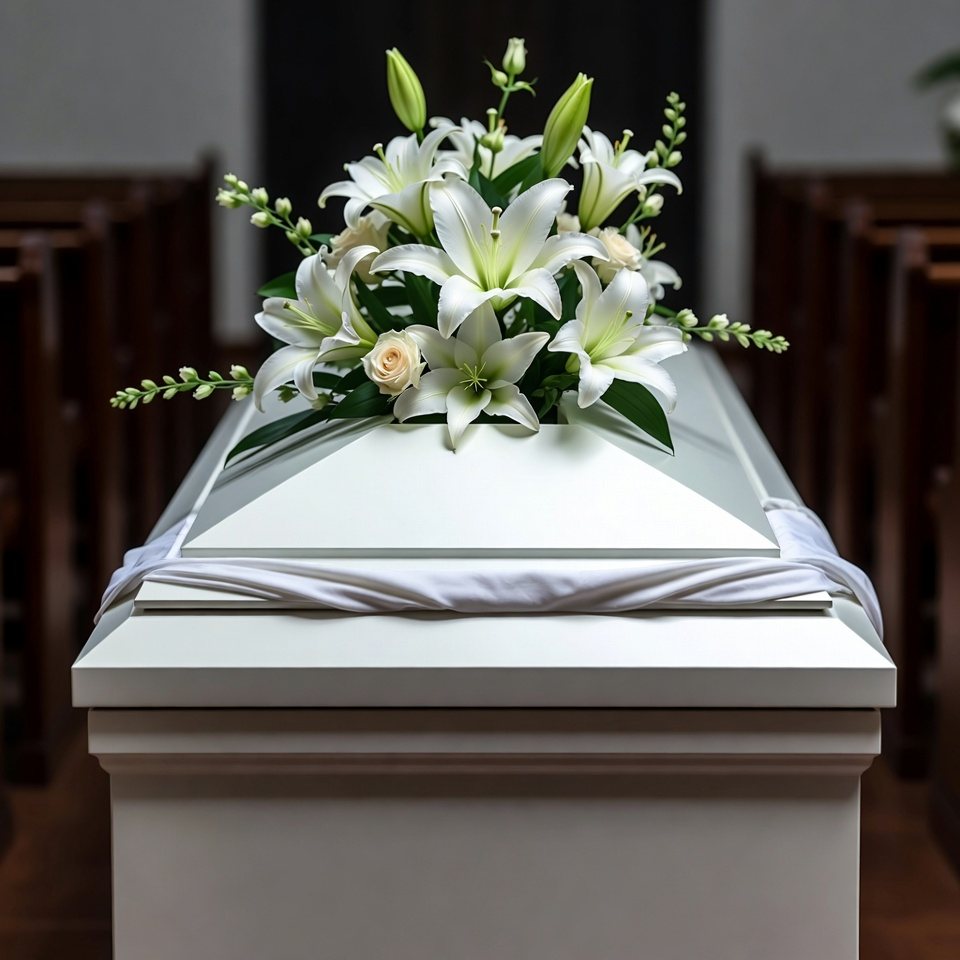
Most Families Never Realize This Exists
Funeral planning includes several major expenses, and the casket is often one of the largest individual purchases. Funeral home showrooms commonly list standard models between $2,500 and $5,000, while comparable steel or hardwood caskets appear through online retailers for $900 to $1,800. In many cases, the price difference reflects showroom operating costs rather than major changes in materials, structure, or manufacturing quality.
Because of this gap, some families now compare funeral caskets online before visiting a funeral home. Requesting the funeral home’s General Price List and checking the manufacturer specification tag inside a display casket can clarify the materials and model details when visiting a showroom. When reviewing options online, product pages usually list the same specifications, including metal gauge, wood species, interior material, and dimensions. Comparing these details across listings helps families evaluate similar models and choose a dignified casket that fits both the service plan and the budget.
Hidden Casket Pricing
Showroom caskets can carry price tags that surprise families when the full bill appears. Models commonly list between $2,500 and $5,000 at funeral homes, even when nearly identical versions appear online for $900 to $1,800. Many use the same basics, such as 20-gauge steel or standard hardwoods, so the higher price does not always reflect a stronger build.
The General Price List (GPL) helps reveal where prices rise. Requesting the GPL and checking the specification tag inside the display casket confirms material, gauge, and model details before comparing them with online listings. Matching specifications rather than relying on showroom names makes price comparison clearer and helps maintain control of the casket budget.
Where the Markup Comes From
Showroom space inside a funeral home is expensive to operate, and those costs are built into casket pricing. Displaying multiple models ties up cash in inventory that may sit for months, while the room itself requires utilities, cleaning, and upkeep. Some providers also finance floor models through suppliers, adding carrying costs unrelated to steel gauge or wood grade.
Staffing adds another expense, since viewing rooms require trained employees for appointments, paperwork, and coordination. Storage also matters because unsold or overflow units need secure space that can handle size, weight, and occasional moving damage. Separating these operational costs from the product itself helps families focus spending on specifications and service choices.
Legal Rights Families Have
The FTC Funeral Rule sets ground rules for casket purchases. Funeral homes must accept a casket bought from an outside retailer or online seller. They cannot refuse it because it was not purchased through their showroom, allowing families to choose based on price and specifications.
The rule also addresses added charges. Funeral homes cannot add delivery or handling fees simply because the casket comes from a third party. Families can order online and confirm delivery date, receiving instructions, and storage timing with the funeral home to keep the service schedule on track.
Online Buying Cost Advantage
Warehouse-based online casket sellers keep prices lower because they do not operate retail showrooms with display rooms and floor inventory. This structure removes parts of the traditional retail chain, so many direct-to-consumer listings cost about 40–70% less than comparable funeral home models. Prices are usually posted upfront, making costs easier to review.
Online catalogs are also broader than showroom displays, allowing comparison across hundreds of styles. Product pages commonly list metal gauge, wood type, interior material, dimensions, and included hardware, which helps match comparable models. Clear specifications and consistent pricing make the selection process more manageable while keeping the budget predictable.
Smarter Casket Selection
Material choice is the quickest way to narrow a confusing casket menu. Many families start with 20-gauge steel for a solid balance of cost and durability, then compare it to stainless steel or hardwood based on feel and long-term value. Once the material is set, you can sort by price range and focus on practical details like interior lining, lid style, and included hardware instead of getting pulled toward the highest-priced display.
A full online collection makes side-by-side comparison easier because the same specs show up across many models. Look for listings that clearly state gauge or wood type, dimensions, warranty, and what’s included in the price, then filter by interior design and layout to match the service you’re planning. Settling on two or three options ahead of time keeps the funeral home appointment centered on fit, timing, and coordination.
Prices and specifications become easier to manage once the key details behind casket pricing are understood. Showroom listings can include business costs tied to display space, inventory storage, and staffing rather than measurable upgrades in steel gauge or hardwood construction.
Reviewing the General Price List and reading the manufacturer specification tag inside a display model helps confirm the exact materials and build details before comparing options. Federal rules also allow families to purchase a casket from an outside retailer, and the funeral home must accept delivery without additional handling charges. Careful comparison allows families to choose a respectful option that fits the service plan and the budget.