


If your little one is suddenly stuffy, feeding turns fussy and sleep gets choppy. As a mom who has spent more than a few midnights helping tiny noses breathe easier, I can tell you that the right nasal aspirator makes those moments gentler and faster. This guide distills practical, pediatric-informed advice with hands‑on experience to help you choose confidently, use safely, and keep everything squeaky clean.
Why Congestion Matters in Babies
Newborns and young infants prefer to breathe through their nose, especially while feeding. When mucus builds up, breathing can feel harder, latching can be frustrating, and sleep fragments. Clearing the nose helps prevent postnasal drip into the throat and supports calmer feeds and rest, a point emphasized by pediatric sources like Cleveland Clinic and Nationwide Children’s Hospital. Congestion often follows colds and other upper respiratory infections; dry indoor air in winter can make it worse by thickening mucus, as Braun Healthcare notes.
What a Nasal Aspirator Does
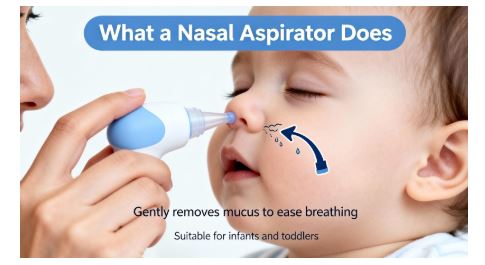
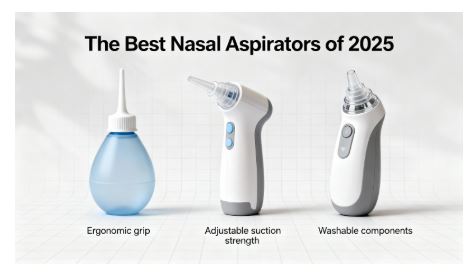
A nasal aspirator, also commonly known as a baby nose sucker, is a small device that creates gentle suction at the nostril entrance to remove mucus so your baby breathes and feeds more comfortably. You’ll see three main types. A bulb syringe is the classic squeeze-and-release tool. Manual or oral suction aspirators use a mouthpiece and tubing with a hygienic filter so a caregiver controls suction. Electric aspirators are powered units with a collection cup and replaceable tips, often offering adjustable suction and quick, one-handed operation.
Types, Benefits, and Trade‑offs
Each format has strengths when used correctly. Bulb syringes are inexpensive and widely available, though the opaque bulb can be harder to clean and dry thoroughly over time. Manual oral aspirators offer fine control and are easy to clean; research summarized by Parents reports no bacterial growth at the mouthpiece when using a filter, though those late‑1990s studies did not evaluate viral transmission. Electric models trade a higher price for push‑button convenience; many parents appreciate consistent suction, soft silicone tips, and clear reservoirs, as Braun Healthcare outlines. Regardless of type, pediatric sources consistently advise using saline to loosen thick mucus, inserting only the tip at the nostril entrance, and limiting total daily suction sessions to prevent irritation.

How We Evaluated the Top Picks
I prioritized safety, ease of use during real wiggly‑baby moments, cleaning simplicity, availability of replacement parts, and meaningful features such as adjustable suction and soft medical‑grade tips. To keep this guide practical and balanced, I cross‑checked brand details with reputable parenting and medical resources including Cleveland Clinic, BabyCenter, Nationwide Children’s Hospital, Healthline, Parents, The Bump, Braun Healthcare, and Babylist. Prices and specs cited from brand materials are noted as manufacturer claims, as marketing changes frequently across retailers.
The Best Nasal Aspirators
Dr. Noze Best NozeBot (Electric)
Designed by a pediatric ENT and built with hospital‑quality materials, the NozeBot stands out for thoughtfully clinical design and a patented two‑finger nosepiece that helps secure the tip while you steady your baby. It is cordless, rechargeable via USB‑C according to the manufacturer, and has three suction levels so you can match strength to congestion. The maker claims up to three times the suction of comparable electric aspirators. In daily life, that means quick clears before feeds, without juggling cords. The accessories are top‑rack dishwasher safe and the kit includes 12 filters. It is HSA and FSA eligible, which can ease cost. For downsides, the premium price sits in the upper tier and, like most electrics, you must clean after every use and keep the motor housing dry; it’s a small maintenance trade for reliable performance.
Momcozy 2‑in‑1 Spray & Suction (Electric)
This pick combines a fine mist to loosen mucus and an electric suction module in one device. The brand cites up to about 65 kPa of suction with four levels, multiple silicone tips, and calming touches such as lights and music. It is USB‑rechargeable and marketed at a budget‑friendly price for an electric. Families who want to streamline the saline‑then‑suction steps may appreciate the built‑in spray option. As a brand claim, continuous run time can approach a few hours with charging intervals that may cover roughly 20 to 30 days of typical household use; real‑world performance varies by use pattern. Consider that added features like lights are situationally helpful but not essential, and always verify parts are fully dry after cleaning, especially around any misting channel.
Grownsy Electric Nasal Aspirator (Electric)
Grownsy offers adjustable suction, three soft silicone tips, and an easy‑to‑read display in an ergonomic design. The battery is USB‑C rechargeable and editorial testing summarized by Parents describes a typical charge lasting around a month of normal use. Parents also mentions built‑in light and music that some find soothing, though volume control may be limited on certain variants. The included case helps keep tips clean in the diaper bag. For heavier, sticky congestion, you will still want to prepare with saline, wait half a minute, then suction in short passes for best results.
Nosiboo Pro (Electric, Plug‑in)
If you prefer plug‑in power at a bedside or nursery station, Nosiboo Pro is a strong option. Parents describes it as effective for families managing recurrent congestion or frequent colds, noting it must be plugged in and can be louder than small handheld units. The unit is about 6.10 inches tall and has a unique nozzle architecture. The trade‑off is portability; I would still keep a manual or small rechargeable device in your diaper bag for outings.
FridaBaby NoseFrida (Manual, Oral Suction)
The NoseFrida has a loyal following for good reason. It gives you precise, parent‑controlled suction with disposable filters for hygiene. Being able to see what you’re removing helps you decide when to stop. It is top‑rack dishwasher safe, and replacement filters are widely available. If you want minimal moving parts and maximum control without batteries, this is a reliable staple. Parents cites evidence that, with its filter, bacteria did not reach the mouthpiece in testing; again, those studies did not assess viruses. The lack of a storage case in some sets is a small annoyance; consider adding a travel pouch to keep everything clean.
Innovo Twister Bulb (Bulb Syringe)
This is the bulb syringe I wish I had with my first baby. It twists apart, so you can thoroughly wash and dry the interior, reducing the hidden moisture and residue that standard bulbs can trap. The soft, see‑through silicone helps you avoid inserting too far and lets you check output. It is dishwasher and sterilizer safe. As with any bulb, technique matters. Squeeze first to expel air, seat the tip gently at the nostril entrance, then release to draw out mucus, and clean immediately afterward.
Honorable Mentions Worth Considering
Families on AA batteries often like the Watolt electric, which offers three suction strengths, a durable case, and a gentle profile that benefits from saline and a short wait before suction. If you want a quiet rechargeable that does not disturb naps, Ravifun is frequently described as low‑noise and ships with infant and toddler tips; confirm that a charging block may not be included. Eco‑minded parents who prefer manual control may gravitate to Green Sprouts, which uses plant‑based plastic and silicone with a side‑vent valve to reduce backflow; it is hand‑wash only and not intended for sterilizers or dishwashers. Babylist’s store snapshot has shown very high user ratings for some electric models like Grownsy, though ratings and availability change over time and by retailer.
Safe, Pediatric‑Informed Use
The safest nasal suction starts with preparatory moisture. Pediatric guidance from Cleveland Clinic, BabyCenter, Nationwide Children’s Hospital, Healthline, The Bump, and Braun Healthcare consistently recommends loosening thick mucus with infant‑safe saline before suctioning. In practice, place your baby on their back and apply a small amount of saline to each nostril. Many resources suggest two to three drops and a wait of about thirty seconds; some advise three to four drops and keeping the head back for close to a minute. Sprays can work, though drops are gentler for newborns. Then seat the tip just at the nostril entrance, create a soft seal, and use gentle suction. Clear one side, then the other, stopping when breathing or feeding improves.
Frequent over‑suctioning can irritate delicate tissues and even provoke small nosebleeds. Multiple sources align on limiting suctioning to about three to four sessions per day. If your baby strongly resists or becomes upset, pause and try again later; nasal mucus itself is not dangerous. Never insert any aspirator into the mouth or throat, and never push a tip deep into the nostril. Avoid medicated nasal sprays in infants unless specifically prescribed. Cough medicines are not recommended under age five, as Cleveland Clinic notes; coughing is a protective reflex to clear the throat.
Comfort measures help the whole day go better. A cool‑mist humidifier during sleep, a warm bath to relax and loosen secretions, and keeping baby upright when awake all support drainage. Hold off on elevating crib mattresses—safe sleep guidance warns against it because it can increase the risk of unsafe sleep situations. If you see persistent breathing effort, poor feeding that does not improve with brief suction, signs of dehydration, a high fever, or concerns about reflux or allergies, contact your pediatric provider promptly.
Cleaning and Care That Actually Works
Every aspirator performs only as well as its hygiene. Pediatric and brand guidance is clear on daily care. Disassemble the parts that contact mucus and wash in warm, soapy water after each session; rinse thoroughly and air‑dry completely before reassembly. Many silicone tips, reservoirs, and tubes are top‑rack dishwasher safe or safe to boil briefly—always check your model’s manual. Replace disposable filters on oral aspirators after each session and keep extra filters on hand. With bulb syringes, draw soapy water in and out several times, rinse, then dry with the tip pointing down to drain.
For electric units, keep motors and charging ports dry; wipe the exterior of the base with a slightly damp cloth rather than submerging. Brand maintenance notes from Snotty Noses emphasize that letting water sit inside a motor housing can cause rust and failure; if fluid accidentally enters the base, follow the manufacturer’s purge instructions and ensure all internal moisture is expelled. Never microwave components unless explicitly allowed by the manual. Before long storage, remove disposable batteries to prevent leakage; for rechargeable devices, store clean and fully dry with the charge level recommended by the maker.
Buying Guide: What to Look For
Start with the method your family will actually use at 3:00 AM. If you prefer fine, immediate control and zero charging, a manual like NoseFrida is a strong fit. If you want push‑button consistency for quick passes before feeds, an electric such as NozeBot or Grownsy is appealing. Look for soft, medical‑grade silicone tips in multiple sizes, clear reservoirs, over‑insertion guards, and parts that disassemble fully. Adjustable suction offers flexibility as congestion changes through an illness. For power, USB‑C charging simplifies life; plug‑in models trade portability for consistent power in the nursery. Consider availability and cost of replacement consumables like filters and tips. Noise matters for light sleepers; some electric units are designed to keep sound low, sometimes marketed at levels below common household ambient noise, though your experience will vary.
Budget realistically. Brand roundups in 2025 place many electrics along a spectrum from about twenty‑eight to roughly fifty‑two dollars for budget models, mid‑range units in the thirties to forties, and premium devices around ninety to one hundred seventy‑five dollars, with example prices changing by retailer and sales. Momcozy, for example, lists a two‑in‑one device near forty dollars in promotional materials, while Nosiboo Pro sits at the higher end. NozeBot is typically premium priced and HSA/FSA eligible, which can offset costs. Treat any suction figures, run‑time claims, or noise numbers as brand estimates; I recommend validating through a trusted retailer return window and your own trial.

Quick Comparison Table
| Type | Best For | Notable 2025 Picks | Power/Charging | Advantages | Considerations | Price Range |
|---|---|---|---|---|---|---|
| Electric handheld | Fast, consistent suction at home and on the go | NozeBot; Momcozy 2‑in‑1; Grownsy; Ravifun | Rechargeable USB‑C per maker; some add lights/music | Push‑button ease; adjustable suction; dishwasher‑safe parts on many models | Higher cost; must keep motor dry; periodic tip/filter replacements | About 33.00–175.00 depending on model and sales |
| Electric plug‑in | Stationary nursery use and recurrent congestion | Nosiboo Pro | Plug‑in | Strong, steady power; clear reservoir | Less portable; can be louder; corded | Often premium pricing |
| Manual oral | Precise caregiver control and simple cleaning | FridaBaby NoseFrida; Green Sprouts | No power needed | Fine‑tuned suction; easy to travel; affordable | Requires filters in some models; technique dependent | Often under $25.00 |
| Bulb syringe | Occasional, low‑cost backup | Innovo Twister Bulb | No power needed | Splits open to clean; transparent | Lower control; technique matters; drying is essential | Usually under $15.00 |
Price examples are approximate and vary by retailer and date; suction and noise are manufacturer claims unless otherwise noted by independent testing.
Real‑World Scenarios and Practical Tips
Before bedtime or a feed, I set out saline, the aspirator, and a soft cloth so the entire process takes less than a minute. I apply a couple of drops of saline per nostril and wait about thirty seconds to a minute, then make a brief pass on one side, then the other. Babies often sneeze when saline goes in; that is normal and can even clear mucus without suction. If a device includes music or a light and your baby finds it soothing, great; otherwise, skip the extras. When congestion is mostly dry and crusty at the entrance, a warm bath followed by gentle wiping and a single short suction pass is often enough. If your baby is deeply upset or if the nose looks irritated, I put the aspirator away and try again later with more moisture in the air and another short saline prep. The goal is comfort, not a perfectly empty nose.
Takeaway
You do not need the most expensive gadget to help your baby breathe easier, but you do need a tool you will use confidently. Choose a format that fits your routine, keep technique gentle and brief with saline first, and clean thoroughly after every session. For most families in 2025, a simple manual aspirator plus a compact electric covers both everyday and middle‑of‑the‑night needs. If your baby is still working hard to breathe or can’t feed well even after a short suction session, call your pediatric provider; trust your instincts and prioritize comfort and safety.
FAQ
Are electric nasal aspirators safe for newborns?
When used correctly at the nostril entrance with gentle suction, electric aspirators are generally considered safe from birth. Pediatric sources including Cleveland Clinic and Healthline stress the same fundamentals regardless of device: loosen with saline first, insert only the tip, and limit total daily sessions to prevent irritation. Always read your model’s manual and talk with your pediatrician if you are unsure.
How often can I suction my baby’s nose?
Most pediatric guidance converges on about three to four sessions per day. BabyCenter, Nationwide Children’s Hospital, and The Bump caution that more frequent suctioning can inflame nasal tissues or trigger small nosebleeds. Break sessions into short passes, stop when breathing or feeding improves, and add a humidifier to reduce how often you need suction.
Should I use saline drops or spray before suctioning?
Yes for thick, sticky mucus. Several sources recommend two to three drops per nostril and a brief wait of around thirty seconds; others suggest three to four drops and up to a minute before suctioning. Drops are gentler than sprays for newborns. Use plain saline only unless your pediatrician prescribes a medicated product.
My baby’s nose bled a little after suction. What should I do?
Pause and give the nose a break. Small streaks can happen when tissues are irritated. Increase room humidity, shorten suction passes, and ensure you are seating the tip at the nostril entrance rather than inserting deeply. If bleeding persists, your baby seems uncomfortable, or breathing is noisy or labored, contact your pediatric provider.
Can I use breast milk as nose drops?
Some parents place a couple of drops of breast milk in each nostril, and Healthline notes potential antiviral properties. I treat this as a comfort measure rather than a substitute for proven saline loosening. If you try it, use a clean dropper, go gently, and follow up with brief suction only if needed. Confidence is moderate; discuss with your pediatrician if your baby has persistent symptoms.
How do I clean and store my aspirator to avoid mold?
Disassemble immediately after use, wash parts that contact mucus with warm soapy water, rinse well, and air‑dry fully. Many silicone parts are top‑rack dishwasher safe; confirm in your manual. Keep motors and charging ports dry; wipe the base rather than submerging. Replace oral aspirator filters after each session, and remove disposable batteries from devices before long storage to prevent leakage. Brand maintenance advice like that shared by Snotty Noses also warns that any water left inside a motor can cause rust and failure; ensure components are completely dry before reassembly.
Notes on Sources and Claims
All product‑specific cleaning steps should be confirmed in your device’s instructions, which take precedence. Where home practices vary, I’ve cited pediatric sources and explained common adaptations. I am highly confident in the core cleaning workflow, session limits, and safety cautions referenced here, and moderately confident about brand‑specific disinfection options that differ across models.