

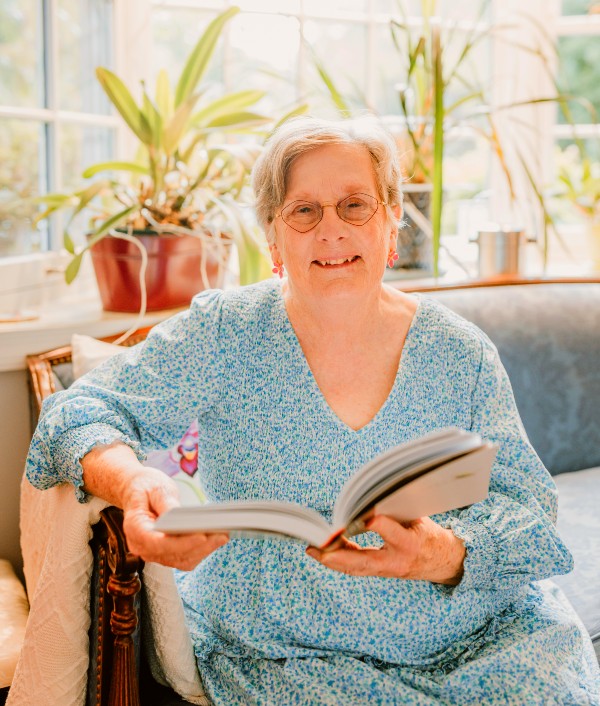
Dr. Gloria Vanderhorst transforms lives through psychology. She leads a thriving practice in Bethesda, Maryland. With 50 years of experience, she specializes in trauma healing. Her book, Read, Reflect, Respond, guides emotional recovery. Additionally, she supports high performers and couples. Consequently, her compassionate approach drives change. In this feature, we explore her vision.
https://open.spotify.com/episode/54ZZaU5EiWjG8YoUUktfQ6?si=X8aO2XJbTye9X7fkrVAmqA
Beverly Hills Magazine: Welcome Gloria. It’s such an honor to have you with us
Dr. Gloria Vanderhorst: Thank you. I’m glad to be here.
Beverly Hills Magazine: I’m really looking forward to the conversation. I’m sure you are a wealth of wisdom considering your extensive experience. Tell us, what initially sparked your passion for psychology?
Dr. Gloria Vanderhorst: Actually, calculus too. I was a math major. I loved math as a kid, as a high schooler. I went to college to become a math teacher for high school students. I had a plan to finish in three years with a 4.0. I was on track until they hired a new teacher straight out of Harvard. She faced the blackboard, never turned around, filled it with her right hand, erased with her left, following behind herself. Everybody was lost. We tried to learn calculus on our own, but we didn’t do a great job. I got a D in the class, thrilled to pass and not take it again. I flipped my major and minor to graduate in three years, without the 4.0 due to that D.
Beverly Hills Magazine: What an interesting twist of fate. As a Christian, the Bible says God laughs at man’s plans. I suppose it was written in your stars, darling.
Dr. Gloria Vanderhorst: That’s right. I was destined to do this work as a psychologist, no matter how much I loved math. God had to turn me around and make it clear. You belong in psychology. Play with math in your free time.
Beverly Hills Magazine: Why focus on trauma healing across all ages, which is incredible, noble, and so needed?
Dr. Gloria Vanderhorst: My own history has trauma in it. Everyone’s does. Often, people don’t realize their trauma or its impact. Research confirms we have memories from birth, probably from the last trimester in utero. Those memories jump into the present without our knowing. You can identify early trauma, see how it affects you now, and realize you don’t have to be influenced by it anymore. You gain choice, whereas before, you’re influenced without knowing.
Beverly Hills Magazine: That’s powerful and deep. Trauma doesn’t always have to be from childhood. Breakups, abusive relationships, or family strains can be traumatic emotionally, spiritually, sometimes physically. We’re constantly in need of healing, right?
Dr. Gloria Vanderhorst: Yes. Trauma happens over and over in our lives. Sometimes it’s a small T, like a disappointment—I wanted to be a math teacher and couldn’t. Sometimes it’s a big T—abuse, theft, or professional setbacks. Big Ts are powerful, but little Ts pack a punch too.
https://youtu.be/gOEoYX25PqM
Beverly Hills Magazine: We’re all in this human experience, and those can be devastating. I see why there’s a need for someone like you to offer healing. What’s your process for someone in the aftermath of a traumatic experience, big or small T?
Dr. Gloria Vanderhorst: First, build trust. I cannot help anyone unless they connect with me. Connection is a risk, carrying so much power. In friendship or therapy, trust is key. It takes time, sometimes quickly, sometimes through repetition, before they can trust you. Then you start the work.
Beverly Hills Magazine: So, it takes several sessions to peel the layers of the onion, get to the heart of the matter, and address the deepest issues for needed healing?
Dr. Gloria Vanderhorst: That image is classic. Our histories are extensive. Every year, you face trauma, struggles, disappointments. Our brain holds onto all of it. That’s the interesting part.
Beverly Hills Magazine: We’re not only physical. As a Christian, I see us as body, soul, spirit—interconnected, experiencing the world in every aspect. Trauma hits everything, right?
Dr. Gloria Vanderhorst: Right. Scientific studies show our DNA carries information from at least three generations. Traumas from grandparents or great-grandparents can jump into the present and impact you.
Beverly Hills Magazine: That’s profound. It resonates with spiritual beliefs about generational curses, like alcoholism, in our DNA. We need deep healing to cleanse it. That’s scientifically proven now?
Dr. Gloria Vanderhorst: Yes, at least for three generations. As research develops, maybe more. I had a client, 11 or 12, with recurring nightmares. Her grandparent revealed a great-grandparent had that exact experience. It was passed through DNA, triggered by some parallel stimuli, until she understood its origin and found relief.
Beverly Hills Magazine: That’s incredible. With that scientific understanding, what role does neuroscience play in your healing methods?
Dr. Gloria Vanderhorst: It’s critical. Our brain is a fascinating organ, holding every memory, including from the last trimester of pregnancy and birth. That’s why it’s so complex, with many folds and cells.
Beverly Hills Magazine: Sometimes I wish God could erase certain memories, but they hold lessons, right?
Dr. Gloria Vanderhorst: You don’t want them erased. Early memories can be healed with attention and relief. They’re attached to later experiences—at 5, 10, 15, 34—forming strings of experience.
Beverly Hills Magazine: It’s fascinating. In my healing journey, the Lord recalls past lessons to apply now. We’re multidimensional. How do you heal unconscious wounds holding us back?
Dr. Gloria Vanderhorst: Surface those memories to make sense of them in the present. Relate to them directly, feel the emotions, and watch the whole movie. As empathetic beings, we understand others’ histories, even those who injured us, which may go back generations.
Beverly Hills Magazine: Hurt people hurt people. Through therapy, apologies, or spiritual study, we awaken to our need for healing. For me, the Holy Spirit counsels my healing, letting me pour out emotions to God for deep healing in vulnerability.
Dr. Gloria Vanderhorst: There’s freedom in that. If everyone chose to heal, we’d live in a different world. Unhealed wounds cause us to lash out, hold bitterness, or not forgive. Healing brings light, freedom, love, and joy.
Beverly Hills Magazine: Your book Read, Reflect, Respond—tell us more about its purpose.
Dr. Gloria Vanderhorst: It’s for adults and teens, a unique journal. The left page has an essay, the right is blank, not lined, for responses beyond words. Our brain holds words, images, actions. Blank pages allow drawings, intense pressure, or tearing to express emotions, tapping into early experiences.
Beverly Hills Magazine: That’s brilliant. It’s a workbook for trauma recovery, allowing expression.
Dr. Gloria Vanderhorst: Definitely a workbook. It surfaces unaware emotions through reactions to essays, expressed in drawings, actions, or words, helping you understand what’s inside.
Beverly Hills Magazine: We pass on traumas. What’s a common mental health myth we should understand?
Dr. Gloria Vanderhorst: Recognize that parents, grandparents, aunts, uncles deposit influences that jump into the present without realization. Identify and release what doesn’t belong to you, like pebbles you carry, to become who you were designed to be.
Beverly Hills Magazine: That’s powerful. I’ve had to disassociate from negative influences to form my God-given identity. How do family dynamics influence healing?
Dr. Gloria Vanderhorst: We’re born connected, seeking connection lifelong. A trusted friend, spouse, or family member speeds healing. Connection is necessary for health.
Beverly Hills Magazine: The Lord tells me relationships teach us about ourselves. Family dynamics aid self-reflection and forgiveness.
Dr. Gloria Vanderhorst: We find strengths and weaknesses in interactions. A trusted person gives honest feedback.
Beverly Hills Magazine: What strategies build emotional resilience to bounce back from traumas?
Dr. Gloria Vanderhorst: Learn about yourself. Be curious. At family gatherings, collect history and stories to understand how you’ve been shaped.
Beverly Hills Magazine: How do you empower clients for personal growth through trauma or transitions?
Dr. Gloria Vanderhorst: Power comes from safety. [Transcription ends due to source file cutoff.]
Beverly Hills Magazine: Dr. Gloria Vanderhorst, your wisdom on trauma healing inspires hope. Your compassionate approach transforms lives. Thank you for sharing your insights.
Dr. Gloria Vanderhorst: Thank you, Beverly Hills Magazine, for this opportunity. I’m honored to guide others toward emotional freedom and growth.
Conclusion
Dr. Gloria Vanderhorst redefines mental health with empathy. Her practice fosters resilience. Moreover, her book inspires transformation. By blending science and compassion, she uplifts clients. Ultimately, Dr. Gloria Vanderhorst’s legacy motivates healing. Her work encourages emotional growth. Connect with her mission for inspiration.