

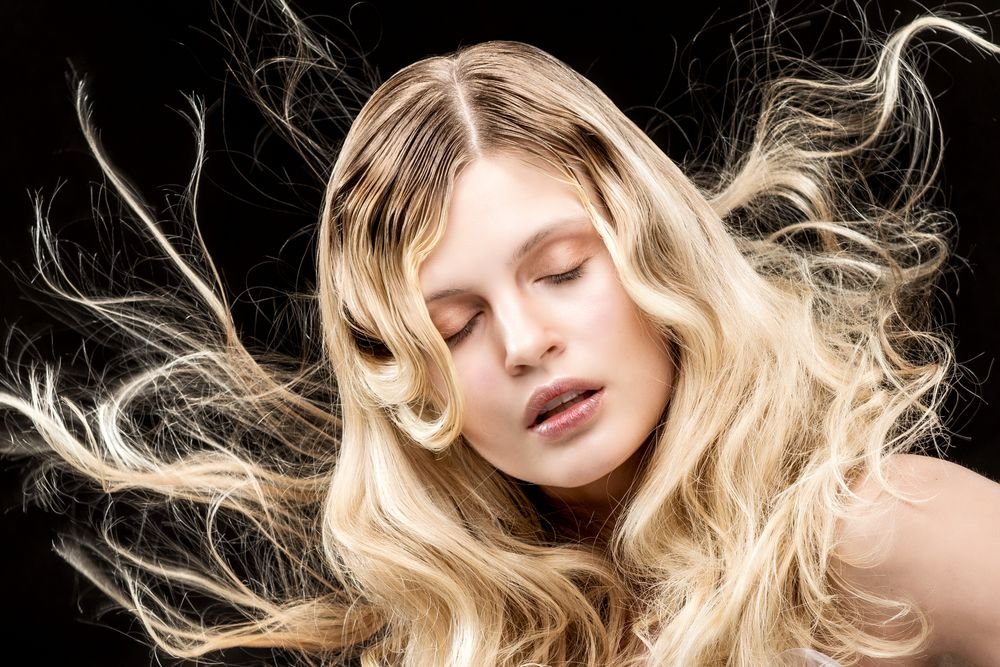
Beautiful, healthy hair is an essential element of luxury beauty and sophisticated personal style. Whether creating sleek, straight hairstyles, glamorous curls, or voluminous blowouts, modern styling tools offer endless possibilities for achieving salon-inspired results. However, frequent exposure to high temperatures can compromise hair health, leading to dryness, breakage, and split ends. Fortunately, maintaining luxurious, radiant hair does not require eliminating heat styling altogether. With advanced styling technology, protective hair care products, and thoughtful beauty routines, achieving gorgeous hairstyles while minimizing heat damage becomes easier. Understanding how heat affects different hair types is the first step toward preserving stronger, smoother, and healthier-looking hair.
Key Takeaways
-
Prevent heat damage: Excessive heat from styling tools can weaken hair, causing dryness, split ends, and breakage.
-
Choose the right temperature: Lower heat settings help minimize damage while maintaining beautiful hairstyles.
-
Use heat protection: Heat-protectant products can reduce friction and moisture loss, although they cannot eliminate heat damage entirely.
-
Protect delicate hair: Fine, color-treated, chemically processed, and porous hair may require gentler styling techniques.
-
Limit heat exposure: Reducing styling frequency, contact time, and repeated passes helps preserve healthier-looking hair.
-
Maintain healthy hair: Conditioning treatments, gentle detangling, and regular trims help improve hair appearance and manageability.
-
Invest in smarter styling: Selecting suitable styling tools and adopting a consistent hair care routine can support long-term hair health and prevent heat damage.
Understanding How Heat Can Affect Hair
Regular use of blow-dryers, curling irons, and a hair straightener can leave hair dry, brittle, and prone to split ends or breakage over time. Just how vulnerable your hair is depends on a mix of factors—your natural texture, any chemical treatments you’ve undergone, existing damage, and simply how often you pick up a hot tool. The encouraging part is that healthier styling doesn’t require swearing off heat entirely. More often than not, it’s about managing three things: temperature, frequency, and contact time.
What Happens to the Hair Shaft
The hair you see and style is made mostly of keratin, and since it isn’t living tissue, damaged strands can’t repair themselves the way skin does. Excessive heat roughens the outer cuticle—the protective layer wrapping each strand—leaving hair more susceptible to dryness and breakage. So when a product promises smoother, shinier hair right after styling, it’s usually offering a cosmetic fix rather than undoing any structural damage that’s already occurred.
Why Damage Varies Between Individuals
Heat doesn’t affect everyone’s hair equally. Strands that have been bleached, colored, relaxed, or permed tend to be more fragile from the start. Fine hair, very dry or porous hair, and hair that’s washed often on top of regular heat styling tends to show wear sooner too. If you’re already dealing with split ends or breakage, more heat exposure will only make it more obvious. Porosity—basically how well hair absorbs and holds onto moisture—plays a role here as well, since higher porosity usually means greater vulnerability to heat-related dryness.
Recognizing Signs of Heat Damage
Watch for increased frizz, a dull or flat appearance, split or white-dotted ends, short broken hairs, more tangling than usual, a fading curl or wave pattern, and less elasticity than before. That said, these symptoms can come from a number of sources—chemical processing, friction, environmental exposure, or styling habits—so heat isn’t always the culprit. It’s also worth noting that persistent shedding, scalp irritation, or sudden hair loss are a different matter altogether and shouldn’t be chalked up to heat styling by default; those point to issues with the follicle or scalp rather than the visible strand.
Build a Lower-Damage Styling Routine
Start with Preparation
Before reaching for any hot tool, gently detangle hair, working from the ends upward to avoid unnecessary pulling. Following your wash with a conditioner suited to your hair’s needs helps too. Letting hair partially air-dry beforehand cuts down on the total heat exposure needed to finish a style. Keep in mind that many tools are built for use on dry hair specifically, so running them over wet or visibly damp strands isn’t a good idea unless the manufacturer says otherwise.
Use Heat Protectant Appropriately
Heat-protective products work by reducing friction and moisture loss during styling—though it’s worth remembering they don’t make heat harmless. Apply them evenly through the lengths and ends, following the product’s instructions. One thing to watch for: buildup from these products can weigh hair down over time, so it helps to pick a formula suited to your hair type and cleanse it out when needed.
Choose the Lowest Effective Setting
Start low or medium, and only bump up the heat if you actually need to. Cranking up the temperature doesn’t necessarily style hair better—it mostly just raises your odds of dryness and breakage. What counts as the “right” setting for you depends on your strand thickness, texture, chemical history, and moisture level, not whatever routine someone else swears by.
Key takeaway: Heat protectant lowers exposure-related risk, but it can’t cancel out the effects of excessive temperature, repeated passes, or daily styling.
Reduce Frequency, Contact Time, and Repeated Passes
Skip the heat when a heat-free alternative will do, and work in manageable sections so your tool can style efficiently without needing multiple passes. Keep tools moving instead of letting them linger in one spot, and try alternating heat-styled looks with no-heat or low-heat days. A routine used now and then generally puts less cumulative stress on hair than the same routine repeated every day. This lines up with guidance from the American Academy of Dermatology, which recommends lower heat settings, partial air-drying, and limiting how often you reach for hot tools. This is one of the best ways to prevent heat damage.
Adapt Heat Practices to Different Hair Needs
Fine or fragile hair does better with lower settings and fewer passes, since thin strands tend to show dryness and breakage sooner than thicker ones. Curly, coily, or textured hair usually needs extra attention paid to moisture retention and careful, sectioned detangling—and it’s worth remembering that straightening only changes appearance temporarily; it doesn’t alter the hair’s underlying growth pattern. Chemically treated or colored hair tends to be more fragile across the board, so spacing out chemical services and heat styling, and getting professional advice if breakage becomes significant, is a sensible approach.
Picture two people: one uses high heat daily, going over the same sections multiple times, while the other partially air-dries, sticks to lower heat, limits passes, and builds in heat-free days. Over time, the second routine is likely to put far less cumulative stress on the hair—though, as always, individual results can vary.
What to Do When Hair Is Already Damaged
Trimming split ends makes hair look better, but it can’t reconnect fibers that have already split. What actually helps is reducing heat exposure while hair grows out, paired with gentle washing, conditioning, and cutting down on friction from towels or tight hairstyles. Conditioners and masks can improve how hair feels and behaves day to day, but they won’t permanently reverse structural damage. And if breakage is widespread, or you notice scalp discomfort or unexplained hair loss, it’s worth checking in with a dermatologist or hair professional.
Common Mistakes to Avoid To Prevent Heat Damage
- Jumping straight to high heat without testing a lower setting first
- Using hot tools on wet hair that isn’t designed for that
- Going over the same section repeatedly
- Holding a tool in one spot too long
- Assuming heat protectant means unlimited exposure is fine
- Styling hair that’s already dry or breaking without adjusting your routine
- Mistaking scalp symptoms for ordinary hair-shaft damage
A Practical Heat-Styling Checklist
- Is the hair dry enough for the tool you’re using?
- Has it been gently detangled?
- Is heat protectant applied as directed?
- Is the lowest effective temperature selected?
- Can the hair be divided into manageable sections?
- Can passes and styling frequency be cut back?
- Are there signs the hair or scalp needs a professional look?
Making Heat Styling More Sustainable
Controlled heat use is generally the safer bet compared to excessive heat use, though no routine eliminates risk entirely. In practice, that means gentle preparation, picking the lowest effective heat setting, keeping contact time short, working in fewer passes, and building in heat-free days here and there. Pay attention to how your hair responds over weeks and months rather than judging it right after a single styling session. Even picking one small change—dialing down the temperature or adding an extra heat-free day each week—can be a realistic place to start.
Conclusion
Luxury hair care goes beyond beautiful styling and the right beauty products to embrace long-term hair health, nourishment, and protection. While heated styling tools provide versatility and convenience, maintaining healthy hair requires balancing temperature, frequency, and proper styling techniques. Incorporating heat-protectant products, conditioning treatments, and gentler styling practices can help prevent heat damage while preserving softness and shine. Additionally, understanding individual hair needs allows for a more personalized approach to daily beauty routines. Ultimately, the secret to luxurious, healthy-looking hair lies in combining modern styling innovation with consistent care, ensuring every hairstyle reflects beauty, elegance, and confidence.