

Key Takeaways
- Convenience Meets Luxury: Smart home technology makes everyday living more effortless through automated lighting, climate control, entertainment, and home security.
- Personalized Living Experiences: Smart systems allow homeowners to customize their environments to match their preferences, routines, and lifestyles.
- Enhanced Security and Peace of Mind: Smart locks, surveillance cameras, motion sensors, and remote monitoring help homeowners maintain greater control over their properties.
- Energy Efficiency and Sustainability: Intelligent thermostats, automated lighting, and energy monitoring can help reduce unnecessary energy consumption while supporting more sustainable luxury living.
- Seamless Home Automation: Connected devices work together to create a more intuitive living experience, allowing homeowners to manage multiple systems through voice commands, mobile apps, or automated routines.
- Technology Adds Modern Value: Thoughtfully integrated smart home features can make luxury properties more appealing to buyers, although their impact on resale value depends on the property and market.
- The Future of Luxury Is Effortless: The most sophisticated smart homes combine advanced technology with elegant design, creating spaces where innovation enhances comfort without overwhelming the beauty of the home.
Introduction
Ask someone what luxury living looked like ten years ago, and they’d probably describe sweeping rooms, marble worktops and a view worth paying for. Those things still matter. Spacious interiors, premium materials and elegant architecture haven’t lost their appeal. What’s changed is that homeowners now expect their houses to do a little more for them. They want homes that feel comfortable without constant fiddling, run efficiently in the background and quietly fit around the way they live. Smart home technology is answering that call by linking everyday household systems through intelligent devices and automated controls. Arriving home on a winter evening to find the house already warm, the hallway softly lit and the music playing is a kind of luxury no chandelier can match.
Lighting that shifts gently through the day, climate systems that respond to changing conditions and security that can be checked from anywhere are all changing the way people live with their homes. These innovations make life more convenient, support energy efficiency and let each household shape a space that feels genuinely personal. As smart technology becomes easier to buy and simpler to use, it has become an important part of how contemporary luxury homes are designed. The most impressive feature is often the one nobody notices, because it simply works.
In prestigious residential communities such as Beverly Hills, where architectural character, privacy and personalized service have long helped define luxury, these innovations offer a new way to elevate the experience of home. The goal is not to make a property feel like a showroom for the latest gadgets. Instead, it is to create an environment where sophisticated technology complements the design, anticipates everyday needs and allows residents to spend more time enjoying their surroundings.
What Is Smart Home Technology?
Put simply, smart home technology is any connected device or system that lets homeowners monitor, control or automate parts of their property. That can include lighting, heating and cooling, security cameras, door locks, entertainment equipment and household appliances. The house stops being a collection of separate switches and starts behaving more like a single, thoughtful system.
Many smart devices can be controlled through a mobile app, a voice assistant or a central home automation platform. Some go further, using sensors and programmed schedules to take care of tasks automatically. A quick “goodnight” spoken to a voice assistant can lock the doors, switch off the downstairs lights and turn the heating down in one go.
Homeowners might set lights to switch off when a room is empty, for example, or warm the house up before they’ve even left the office. When different devices work together, the home starts responding to everyday routines rather than waiting to be told what to do. It’s a little like having a very attentive housekeeper who never takes a day off.
For a luxury property, the real value lies in how well these systems work together. A beautifully designed home may include expansive windows, multiple living areas, guest suites, landscaped grounds and specialist entertainment spaces. A thoughtfully integrated platform can help manage these features without requiring residents to operate a separate device for every task. When planning is done well, the technology feels like a natural extension of the architecture rather than an addition competing for attention.
Intelligent Lighting and Personalized Interiors
Few things change the mood of a room as quickly as its lighting. In a luxury home, it shapes both how a space looks and how it feels to spend time there. Smart lighting systems let residents adjust brightness, color temperature and timing to suit their own preferences, room by room and hour by hour.
A homeowner might want bright, crisp light for reading or working at the desk, then something softer and warmer for winding down in the evening. Automated scenes can bring several lights together with a single command, setting a room up for dinner, a gathering of friends or a film night in a matter of seconds. Hosting a dinner party feels very different when the dining room dims to a warm glow just as the main course arrives.
Motion sensors can switch on hallway lights when someone walks through and turn them off once the space is empty. Anyone who has stumbled to the kitchen for a glass of water at three in the morning will appreciate a gentle path of light appearing underfoot. It saves electricity and spares a few stubbed toes along the way.
Natural daylight still plays a big part. Paired with motorized blinds or curtains, smart lighting systems can balance sunshine, privacy and comfort throughout the day. On a bright summer afternoon, the blinds can lower just enough to stop the sofa fading while keeping the room light and airy.
These small adjustments can make a considerable difference to the atmosphere of a home. In an elegant living room, carefully layered lighting can highlight artwork, emphasize architectural details and create a welcoming setting for guests. In a bedroom, softer settings can support a calmer evening routine. The most successful lighting plans respect the original design of a space while giving residents the flexibility to adapt it throughout the day.
Smart Climate Control and Energy Efficiency
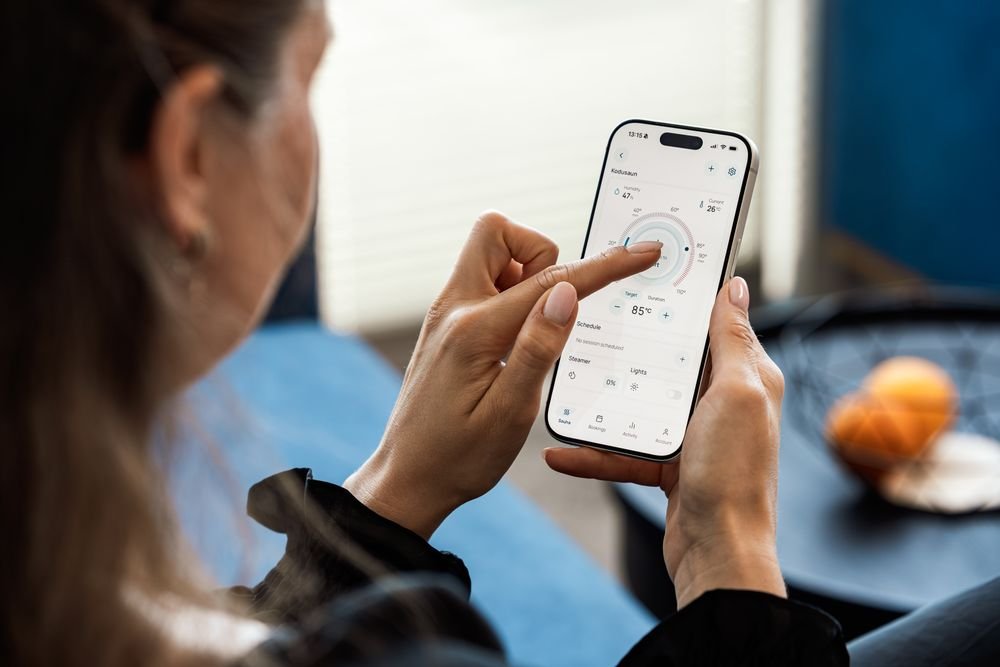
Heating and cooling quietly account for a large share of most households’ energy use. Smart thermostats and climate control systems help homeowners manage indoor temperatures around their schedules, their preferences and the weather outside. The house stays comfortable without anyone needing to remember to touch the dial.
Some systems follow programmed routines, while others use occupancy sensors or learning features to pick up a household’s habits over time. Remote access also means settings can be changed on the go. Someone stuck at the airport after a delayed flight can push the heating back an hour from their phone rather than warming an empty house all evening.
In larger homes, zoned climate control lets different rooms or areas run at different temperatures. That’s especially useful when bedrooms, living spaces and guest suites all have different needs. A teenager who likes their room cool and a grandparent visiting for the weekend who prefers it toasty can both be kept happy at the same time.
Smart climate systems can help cut energy waste by avoiding heating or cooling that nobody needs. Actual savings, however, depend on the property’s insulation, the local climate, how efficient the equipment is and how the system has been set up. A clever thermostat can’t do much about warm air escaping through draughty old windows.
Pairing automated controls with efficient windows, good insulation and regular equipment servicing gives a much more complete approach to comfortable, responsible living. Technology works best when the building around it is doing its share too.
For high-end homes, comfort is about more than setting a single temperature. Expansive glass walls, high ceilings and rooms with different levels of sun exposure can create distinct climate needs throughout the day. Zoning and automation can help homeowners manage those variations while preserving the sense of ease that luxury living promises. When combined with sound building design, these systems can support a more considered approach to comfort and energy use.
Advanced Security and Privacy Protection
Security sits near the top of the list for most luxury homeowners. Connected cameras, smart locks, motion detectors, video doorbells and alarm systems make it easier to keep an eye on the property and decide who gets in. Peace of mind, for many people, is the most valuable feature of all.
Depending on the equipment, residents may receive an alert when unusual activity is picked up, or check live camera footage from wherever they happen to be. Smart locks can also issue temporary access codes for approved visitors, maintenance workers or household staff. A cleaner can let themselves in on Tuesday morning while the owners are sitting on a terrace in Spain, and the code simply stops working once the job is done.
These features make property management far easier, particularly for homeowners who travel a lot or look after more than one residence. A notification that a parcel has arrived, or that the back gate has been left open, can be dealt with long before it becomes a problem.
Connected security systems do need careful setting up, though. Strong passwords, multifactor authentication, regular software updates and a secure home network all help reduce the risk of a cyber attack. It’s equally important for homeowners to know how recordings are stored, who can see them and whether any data is passed on to third parties. A camera meant to protect a family shouldn’t end up exposing them.
Technology can strengthen household security, but it works best alongside sensible physical measures rather than replacing them. A smart lock is excellent. A sturdy door and a well-lit driveway still matter.
For homeowners who value discretion, the balance between protection and privacy is especially important. Security cameras and connected access systems should be positioned and configured thoughtfully, with clear rules about who can view footage and manage permissions. A carefully planned system can offer reassurance without making the home feel monitored at every turn. The aim is to protect the property while preserving the privacy and comfort that make it a personal retreat.
Integrated Entertainment and Connected Living Spaces
Many luxury homes are built with entertaining in mind, featuring dedicated media rooms, home theaters, music rooms and outdoor spaces made for social gatherings. Smart technology can tie all of these together through integrated audio, video and control systems. The result feels less like a collection of gadgets and more like one seamless experience for guests.
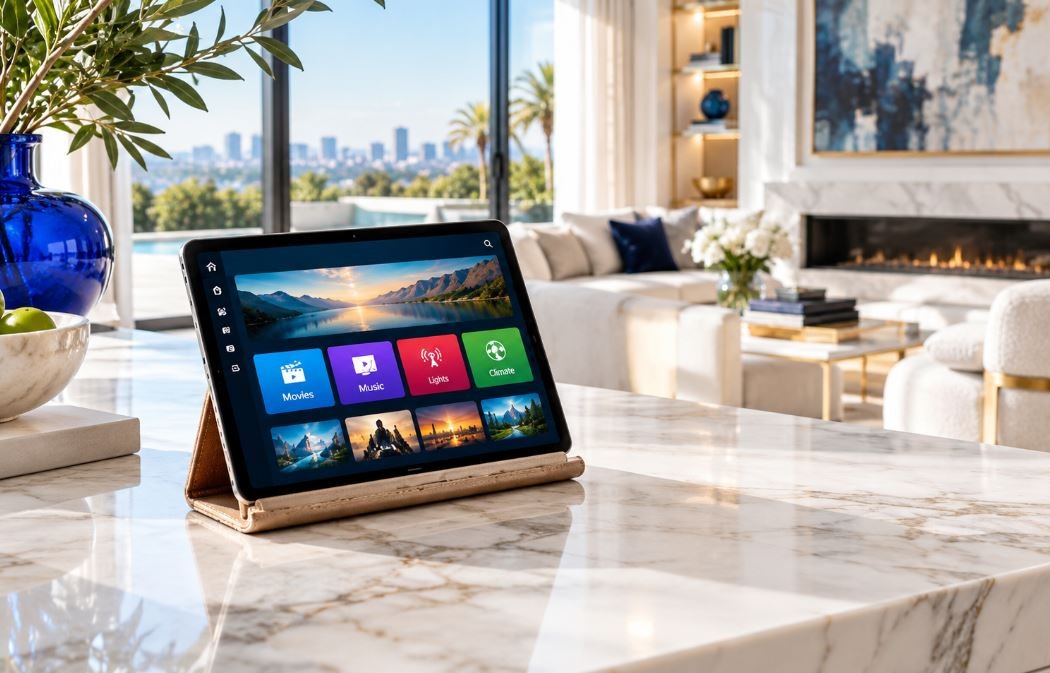
Homeowners can play music through several rooms at once, set the volume differently in each space or control the television and lighting from one central screen. A home theater can be set to dim the lights, draw the curtains and warm up the projector the moment a film begins. Settling in for a Saturday night movie becomes as simple as pressing a single button and reaching for the popcorn.
Voice control and mobile apps make all of this easier to manage day to day. When systems are planned during design or renovation, much of the equipment can be built discreetly into the architecture. Speakers tucked into the ceiling and screens that disappear into cabinetry keep rooms looking calm and uncluttered.
The aim isn’t simply to pile in more devices. Thoughtful integration lets technology work quietly in the background while the home keeps its beauty and comfort. The best systems are heard and felt, not seen.
This seamless approach can extend beyond the interior. Outdoor speakers, landscape lighting and weather-appropriate entertainment equipment can help connect terraces, gardens and poolside areas with the rest of the property. Whether the occasion is an intimate dinner or a larger gathering, residents can create a consistent atmosphere across different spaces without sacrificing the individuality of each setting.
Smart Appliances and Everyday Convenience
Connected appliances are reshaping the small, repetitive chores of household life. Smart refrigerators may offer inventory tools, while connected washing machines can send a notification when a cycle finishes and allow remote operation. Robotic vacuum cleaners can run on a schedule, and some models map the house so they can find their way around more efficiently. Coming home to freshly vacuumed floors after a long day at work never really gets old.
Water sensors can warn homeowners about possible leaks, while smart irrigation controllers can adjust watering schedules based on weather conditions or soil moisture, depending on the system. Few things are more frustrating than watching the garden sprinklers run in the middle of a downpour, and a well-set system simply stops that from happening.
These features can be especially useful in larger homes, where looking after gardens, keeping track of equipment and overseeing many rooms can take a surprising amount of time and attention. The more space there is, the more there is to keep an eye on.
It’s still worth asking whether each device brings a genuine practical benefit. Buying technology just because it exists can push up costs, add to maintenance and create more electronic waste without making daily life any better. A fridge that tweets about its contents is a novelty. A leak sensor that saves the kitchen floor is something people are glad to have.
For busy households, the most valuable conveniences are often the ones that quietly prevent problems. Early alerts about leaks, unusual water use or appliance issues can give homeowners time to respond before a minor concern becomes an expensive repair. In this way, smart appliances are not only about saving time; they can also help support the long-term care of a property.
The Role of Smart Technology in Sustainable Luxury
Sustainability now plays a real part in how contemporary properties are designed. Smart systems can encourage more responsible use of resources by showing households exactly how much electricity and water they use, along with the conditions inside their homes. It’s much easier to change a habit once it’s visible on a screen.
Automated lighting cuts the hours lights spend burning in empty rooms, while intelligent climate controls help avoid needless heating and cooling. Leak detection systems can also help homeowners catch plumbing problems before they turn into serious water loss or costly damage. A tiny warning on a phone can prevent a ruined ceiling downstairs.
Sustainable luxury also extends beyond the systems inside the home. The condition of the grounds, the efficiency of outdoor maintenance and the way drainage and landscaping projects are planned can all contribute to the long-term care of a property. For homeowners managing substantial gardens or undertaking improvements, selecting suitable equipment for the work can make outdoor projects more practical and efficient.
Looking after the land around a property benefits from practical equipment chosen for the job. For landscaping and outdoor improvement projects, a 3-point hitch swing backhoe attachment can be useful for digging trenches and carrying out excavation work on suitable properties. Choosing equipment according to the scale of the project helps homeowners and property managers handle outdoor maintenance far more efficiently. Laying a new drainage line along a garden boundary goes a great deal more smoothly with the right tool attached to the tractor.
When combined with energy-efficient appliances, renewable energy systems and well-chosen building materials, smart technology can play its part in creating a genuinely efficient home. Each piece supports the others.
Connected devices still need materials and electricity to run, and eventually they need disposing of. Choosing durable equipment, picking systems that work well together and repairing devices where possible all help keep unnecessary waste down. The smartest device is often the one that’s still doing its job years from now.
A thoughtful approach to sustainability considers the full life of a property, from the materials used in its construction to the systems that keep it running and the maintenance required to preserve it. Smart technology can contribute to that goal, but it works best as part of a broader strategy that includes durable design, responsible resource use and regular upkeep. True luxury is not simply about adding more; it is about making considered choices that continue to deliver value over time.
Choosing the Right Smart Home System
Before spending money on home automation, it helps for homeowners to be clear about what matters most to them. Some care most about security and remote monitoring, while others are drawn to entertainment, lighting or energy management. A family with young children and a couple who travel constantly will rarely want exactly the same setup.
Compatibility matters a great deal too. Devices that work together through a shared platform are far easier to live with than a jumble of products, each with its own separate app. Juggling five different apps just to turn off the lights at bedtime quickly takes the shine off any new gadget.
Reliable internet, professional installation where it’s needed and long-term software support all deserve consideration. For essential functions, it’s worth knowing whether devices keep working if the internet connection drops. A front door that won’t unlock during a broadband outage is not the kind of surprise anyone wants.
Privacy deserves just as much attention. Reviewing device permissions, data policies and account security before connecting cameras, microphones, locks or other sensitive equipment is a sensible habit. A few minutes spent checking settings on day one can save a great deal of worry later.
A well-planned system is practical, secure, easy to use and able to grow with the household’s future needs. It ought to make life simpler, not add another list of things to manage.
For a major renovation or new-build property, it can be useful to involve an experienced home automation specialist early in the design process. Planning wiring, network access, equipment locations and control points before finishes are installed may help avoid disruptive changes later. Homeowners should also consider how easily the system can be updated as technology evolves, rather than committing to a setup that becomes difficult to maintain.
Above all, the right system should reflect the way residents actually live. A carefully chosen collection of reliable features can offer more lasting value than an elaborate setup filled with functions that rarely get used. Personalization, dependability and ease of use should remain at the center of every decision.
Conclusion
Smart home technology is redefining modern luxury by bringing together convenience, personalization, security and careful resource management. Intelligent lighting, automated climate control, connected entertainment and advanced monitoring systems can make daily life more comfortable while helping homeowners run their properties far more effectively. The home starts to feel less like a building and more like a partner in everyday life.
The biggest benefits usually come from choosing technology that solves real problems rather than installing devices for the sake of novelty. Careful planning, secure setup and attention to long-term maintenance all help make sure automation stays genuinely useful over the years. A system that’s still loved five years on is worth far more than one that impressed for a week.
As connected systems keep developing, smart technology is likely to play an even bigger role in luxury residential design. By balancing innovation with thoughtful architecture and responsible use of resources, homeowners can create spaces that feel sophisticated, practical and perfectly suited to the way people live today. The best smart homes don’t show off. They simply make every day a little easier.
For the modern luxury homeowner, that is the real promise of a connected home: a property that supports personal comfort, respects the beauty of its design and makes everyday living feel more effortless. When innovation is guided by purpose, technology becomes more than a feature. It becomes part of the experience of living well.