

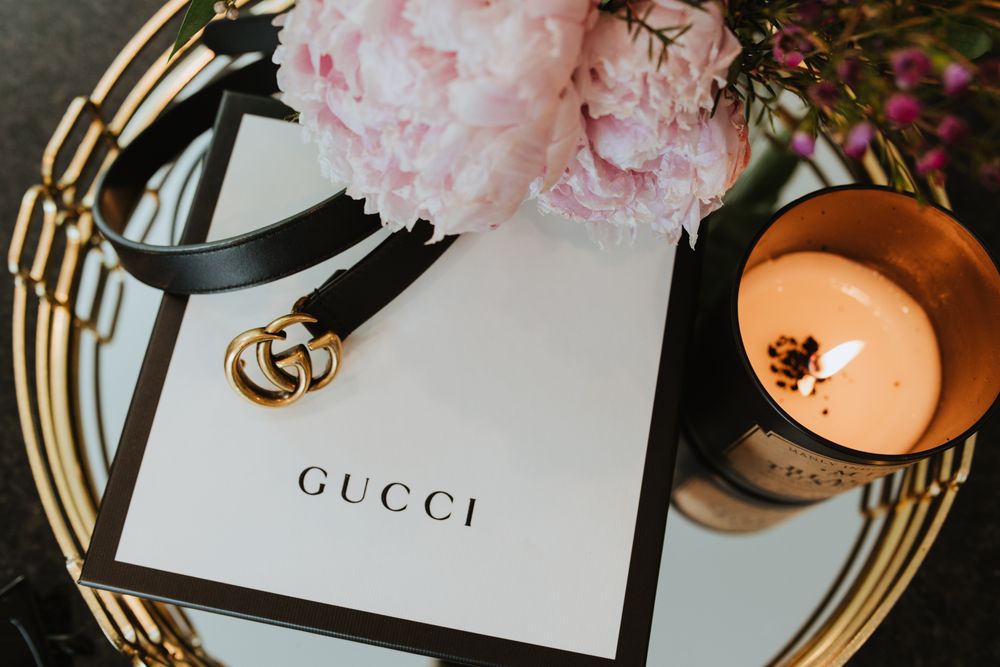
The Art of Creating Desire, Distinction & Lasting Value
Building a luxury brand requires more than offering an expensive product or service. True luxury is created through identity, quality, exclusivity, storytelling, and an exceptional customer experience. The most compelling luxury brands give consumers something beyond the product itself—they create a world people want to enter.
Whether you are developing a fashion label, beauty company, hospitality concept, real estate brand, jewelry collection, or premium professional service, the goal is similar: establish a level of perceived and genuine value that separates the brand from the ordinary.
Here are the essential elements of building a luxury brand.
1. Define What Makes Your Brand Exceptional
Every luxury brand needs a clear identity.
Before focusing on logos, packaging, advertising, or social media, determine what makes your brand distinctive. Ask what you offer that consumers cannot easily find elsewhere.
This distinction might come from craftsmanship, heritage, innovation, personalization, scarcity, exceptional materials, expertise, or an entirely new approach to an established market.
Luxury consumers are not simply purchasing an object. They are often purchasing the story, experience, identity, and meaning surrounding it.
Your brand should therefore have a clear answer to one important question: Why is this worth choosing?
2. Create a Powerful Luxury Brand Identity
Presentation matters tremendously in the luxury market.
Everything consumers encounter should communicate the same elevated identity. Your website, logo, typography, photography, packaging, social media, advertisements, and physical spaces should feel connected.
Consistency builds recognition.
Luxury branding also tends to benefit from restraint. Instead of filling every space with promotional messages, allow beautiful photography, sophisticated design, and carefully chosen language to communicate value.
A luxury brand should never appear desperate for attention. It should feel confident enough to command it.
3. Understand Your Luxury Customer
You cannot create a meaningful luxury experience without understanding who you are creating it for.
Consider your ideal customer’s lifestyle, aspirations, interests, priorities, purchasing habits, and expectations.
However, avoid defining luxury consumers purely by income. People purchase luxury for many different reasons. Some appreciate craftsmanship. Others value exclusivity, convenience, heritage, design, status, personalization, or exceptional service.
Understanding these motivations allows a brand to communicate with greater precision.
4. Make Quality Non-Negotiable
Beautiful marketing can attract attention, but the product or service must support the promise.
According to Provoke Insights, luxury consumers generally expect exceptional standards. Materials, construction, design, performance, packaging, customer care, and presentation all contribute to perceived value.
Small details become particularly important.
A beautiful handbag can lose its luxury appeal through poor hardware. An extraordinary hotel can disappoint through inattentive service. A premium beauty brand can undermine itself with cheap packaging.
Luxury lives in the details consumers notice—and often in the details they do not consciously notice.
5. Build a Story Around the Brand
Some of the world’s most recognizable luxury brands have powerful narratives.
Heritage can certainly provide a compelling story, but a brand does not need generations of history to create one.
A new luxury company can build its narrative around its founder, artistic philosophy, craftsmanship, destination, innovation, cultural inspiration, or vision for changing its industry.
The story should explain why the brand exists and what it represents.
Over time, this narrative becomes part of the intangible value surrounding the products themselves.
6. Protect Exclusivity
Luxury and unlimited accessibility can sometimes work against each other.
Scarcity can increase desirability when it is authentic. Limited production, private collections, bespoke services, invitation-only experiences, waiting lists, selective distribution, and personalization can help maintain exclusivity.
That does not mean making purchasing unnecessarily difficult.
Instead, luxury brands should create the feeling that what they offer is considered, curated, and distinctive rather than mass-produced for everyone.
7. Price for Value, Not Just Cost
Luxury pricing requires a different mindset from mass-market pricing.
The price must account for production and operating costs, but it can also reflect craftsmanship, rarity, intellectual property, design, expertise, service, distribution, positioning, and brand equity.
Simply raising a price does not create luxury.
Consumers must understand—or instinctively feel—why the product commands its position.
When the experience fails to support the price, premium pricing can quickly become a weakness rather than an advantage.
8. Deliver an Exceptional Customer Experience
Customer service is one of the strongest opportunities to differentiate a luxury business.
Luxury customers increasingly expect convenience alongside sophistication. Personalized communication, knowledgeable representatives, thoughtful packaging, seamless purchasing, private appointments, concierge assistance, and attentive aftercare can transform an ordinary transaction into a memorable experience.
The relationship should continue after the purchase.
A client who feels recognized and valued may become more important to the brand than a constant stream of one-time customers.
9. Create Aspirational Luxury Marketing
Luxury marketing should create desire without constantly selling.
Rather than focusing exclusively on features and discounts, show consumers the world surrounding the brand.
Fashion can represent confidence. A luxury automobile can represent freedom and performance. Fine jewelry can represent celebration and legacy. An extraordinary resort can represent escape.
Photography, editorial storytelling, film, social media, events, partnerships, and carefully selected media placements can all help communicate this lifestyle.
The strongest luxury marketing makes consumers imagine themselves inside the story.
10. Choose Partnerships Carefully
Associations matter.
Influencers, celebrities, publications, retailers, designers, hotels, events, and other collaborators can influence how consumers perceive a luxury brand.
A partnership should therefore make sense beyond audience size.
Consider whether the collaborator shares your aesthetic, standards, values, and desired customer base. One carefully selected relationship can strengthen brand positioning, while too many unrelated partnerships can dilute it.
11. Avoid Building a Luxury Brand Around Discounts
Constant promotions can train consumers to wait rather than purchase.
While strategic offers can have a place in certain business models, luxury companies generally need to protect perceived value.
Instead of competing primarily on price, compete through craftsmanship, service, exclusivity, design, innovation, personalization, and experience.
The goal is to make customers desire the brand—not merely the deal.
12. Build a Lifestyle, Not Just a Product
This is where a luxury brand can become especially powerful.
The product may be what customers initially purchase, but the lifestyle can be what makes them emotionally connected to the brand.
Create a recognizable universe around your company. Develop a visual language. Establish a distinctive voice. Tell compelling stories. Create experiences. Understand what your customer aspires to become.
Over time, consumers should be able to recognize your brand even before they see its name.
That is when branding begins to become brand equity.
The Luxury Takeaway
Building a luxury brand is ultimately about creating value that extends beyond price.
Exceptional products matter. So do craftsmanship, storytelling, exclusivity, presentation, service, consistency, and emotional connection.
Most importantly, luxury cannot simply be declared. It must be demonstrated through every interaction a customer has with the brand.
Create something exceptional. Present it beautifully. Protect its value. Deliver an extraordinary experience.
That is how a business begins transforming into a luxury brand.