

Key Takeaways
- Social media has transformed how consumers discover and experience luxury fashion.
- Instagram and TikTok function increasingly like digital fashion showrooms.
- Influencers are becoming important partners in luxury storytelling.
- Consumers now actively participate in shaping luxury fashion culture.
- Social commerce is bringing luxury discovery closer to purchasing.
- Exclusivity remains essential despite greater digital accessibility.
- Social media accelerates fashion trends and revives vintage aesthetics.
- Modern luxury is becoming increasingly personal and individualized.
- Successful luxury brands must balance digital relevance with heritage and prestige.
Luxury fashion was once experienced primarily through fashion houses, glossy magazines, exclusive boutiques, private events, and runway shows. Today, social media has transformed that experience.
Instagram, TikTok, YouTube, and other digital platforms allow consumers to discover collections, follow designers, watch runway shows, explore styling ideas, and participate in fashion conversations almost instantly. Social media has therefore become far more than a marketing channel. It has become part of luxury fashion culture itself.
For luxury brands, this transformation creates both opportunity and pressure. They must remain desirable and distinctive while participating in an environment built around constant visibility.
Luxury Is Becoming More Accessible
Social media has changed who gets to experience luxury fashion.
A consumer no longer needs an invitation to a fashion show or access to an exclusive boutique to see a new collection. A runway appearance can reach millions of people within minutes.
This broader access does not necessarily eliminate exclusivity. Instead, it changes how exclusivity works.
The product may remain expensive and limited, while the visual experience becomes widely accessible. Consumers can admire a couture gown, discover a new handbag, or follow a designer’s creative process without ever entering the brand’s physical world.
As a result, luxury increasingly operates through aspiration as well as ownership.
The Social Feed Has Become a Digital Showroom
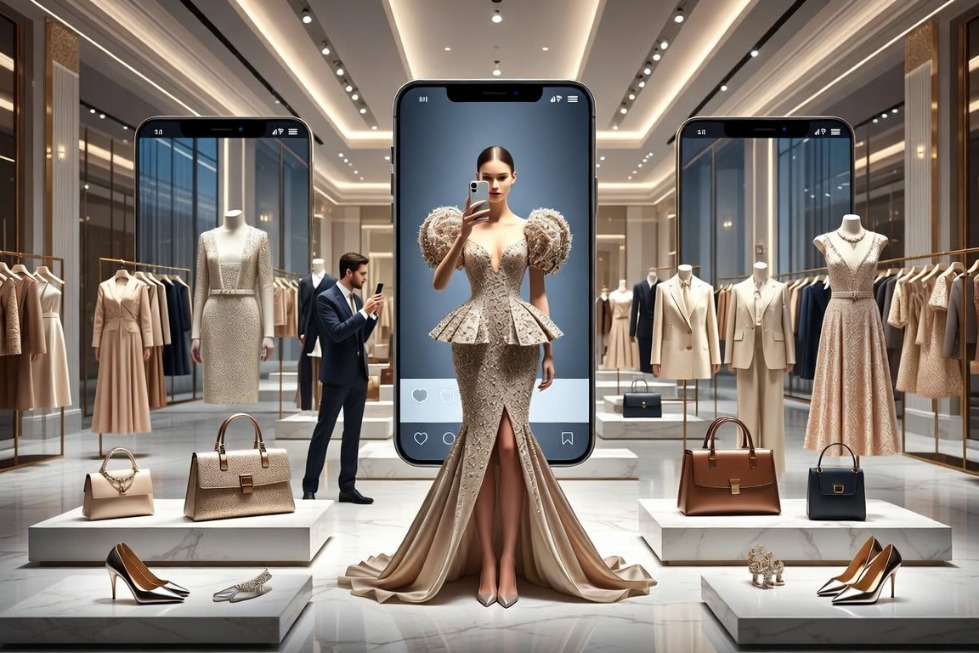
Luxury fashion brands once controlled when and where consumers encountered their collections. Social media has disrupted that model.
A beautifully photographed handbag can appear between travel inspiration and lifestyle content. A runway video can become viral entertainment. A celebrity appearance can generate thousands of conversations before the event has even ended.
Research examining more than 30,000 Instagram posts from luxury brands found that visual simplicity and self-similarity can improve engagement with luxury content. (ScienceDirect)
This demonstrates the importance of visual communication. Luxury fashion must now compete within highly visual digital environments while preserving its distinctive identity.
Influencers Are Becoming Part of Luxury Culture
Influencers have also changed the relationship between luxury brands and consumers.
Traditionally, fashion houses relied heavily on editors, celebrities, models, and established media institutions to shape desirability. Today, creators can introduce luxury products directly to highly engaged communities.
However, influence is becoming less dependent on follower numbers alone. Recent fashion industry coverage highlights a growing preference for creators with authenticity, specialized communities, meaningful engagement, and genuine cultural relevance. (Vogue)
This shift is particularly important for luxury brands. A creator who genuinely understands fashion can communicate the meaning behind a product more effectively than a generic promotional campaign.
The result is a new form of luxury storytelling built around personality, credibility, and community.
Luxury Consumers Are Becoming Participants
Social media has also changed consumers from passive observers into active participants.
They comment on runway collections, recreate celebrity looks, share purchases, post styling videos, and discuss whether a new collection deserves attention.
Research published in 2025 found that engagement with luxury fashion brands on Instagram extends beyond visual appeal. Consumers interpret brand symbols and participate in an ongoing process of creating meaning around luxury products.
This means luxury culture is no longer created exclusively by fashion houses.
Consumers help shape it.
The Rise of Digital Discovery
Social media increasingly influences the journey from discovery to consideration and purchase.
A shopper may discover a handbag through a TikTok video, investigate the brand through Instagram, watch reviews on YouTube, and eventually visit a boutique.
Social commerce has strengthened this connection. A 2025 WPP survey found that 27% of fashion and beauty shoppers who follow influencers had purchased luxury items directly through platforms such as TikTok and Instagram. (WPP.com)
Meanwhile, luxury platforms are increasingly being used for evaluation rather than simple discovery. Vogue Business reported in 2026 that TikTok sees its role evolving toward helping luxury consumers evaluate products and brands. (Vogue)
The traditional distinction between marketing, inspiration, and shopping is therefore becoming increasingly blurred.
Exclusivity Still Matters
Despite the enormous reach of social media, luxury cannot simply behave like mass-market fashion.
Exclusivity remains central to the luxury proposition.
The challenge is creating visibility without making a brand feel ordinary. Luxury houses must carefully balance accessibility with scarcity, storytelling with mystery, and digital engagement with prestige.
Some brands therefore maintain a deliberately controlled online presence. Others use social media to create highly produced worlds that reinforce their heritage and craftsmanship.
Hermès provides an interesting example of this tension. The house has historically resisted many digital trends and celebrity-driven approaches while maintaining a strong emphasis on craftsmanship, scarcity, and heritage. (The New Yorker)
The contrast illustrates an important point: social media can change luxury culture without requiring every luxury house to follow the same digital formula.
Fashion Trends Can Now Move at Extraordinary Speed
Social media has accelerated fashion cycles.
A look worn by a celebrity can become a trend almost immediately. A vintage silhouette can suddenly return to prominence. A particular handbag can become highly desirable after appearing repeatedly across social platforms.
Digital communities can also revive older aesthetics. Recent fashion coverage shows how social media has contributed to renewed interest in styles such as modern preppy dressing, vintage fashion, and heritage-inspired looks. (The Wall Street Journal)
This creates a fascinating relationship between luxury and fashion history.
Instead of moving strictly from runway to consumer, trends can now move between designers, celebrities, creators, vintage communities, and consumers simultaneously.
The New Luxury Is More Personal
Perhaps the biggest cultural change is personalization.
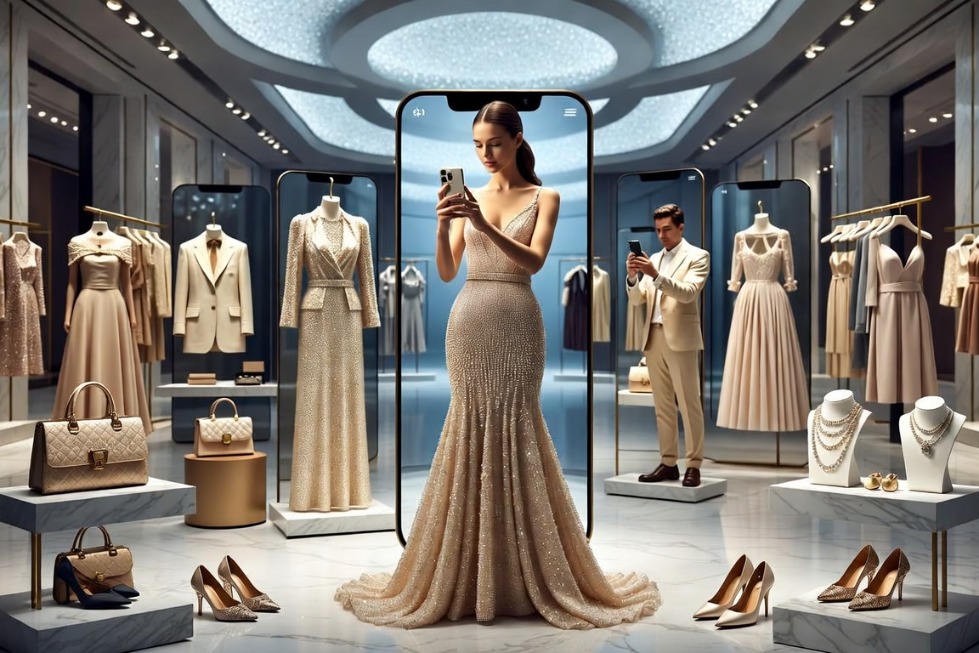
Social media allows consumers to build highly individual interpretations of luxury. One person may be drawn to quiet minimalism. Another may prefer dramatic couture. Someone else may combine vintage pieces with contemporary designer accessories.
Luxury fashion therefore becomes less about following one definition of sophistication.
It becomes about developing a personal visual identity.
That shift aligns with a broader transformation in luxury consumption. Research into digital luxury signals has found rising interest in vintage and second-hand luxury, suggesting that consumers increasingly view individuality and cultural relevance as part of luxury value. (Kantar)
The Future of Luxury Fashion Culture
Social media is not replacing the traditional luxury fashion world. Instead, it is expanding it.
Runway shows still matter. Craftsmanship still matters. Exceptional materials, heritage, design, and exclusivity still define luxury.
What has changed is how people encounter those qualities.
A fashion house can now communicate directly with its audience. A designer can build a personal following. A creator can introduce a luxury collection to a niche community. A consumer can influence the conversation alongside established fashion institutions.
Ultimately, social media has made luxury fashion culture more immediate, participatory, and personal.
The most successful luxury brands will likely be those that understand this balance. They must embrace digital culture without sacrificing mystery, craftsmanship, exclusivity, and distinctive identity.