
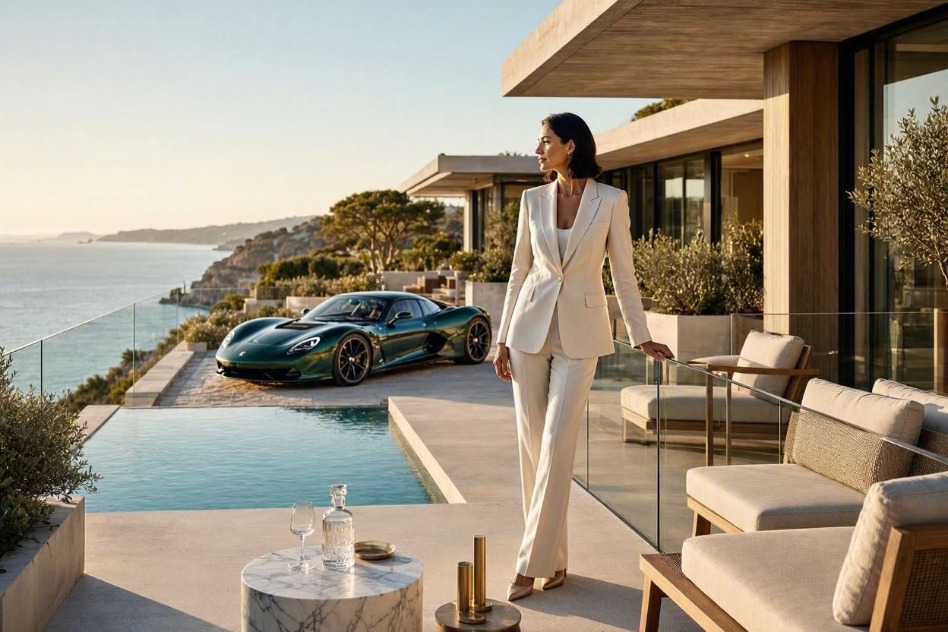
The Art of Intelligent Living: How Better Decisions Create a More Elevated Lifestyle
Key Takeaways
- Luxury living is increasingly defined by freedom, convenience, confidence, and thoughtful choices.
- Intelligent planning can create more time and flexibility for meaningful experiences.
- Technology can simplify everyday responsibilities and enhance modern luxury.
- Quality, privacy, security, and personalized experiences are becoming essential elements of luxury.
- Long-term thinking helps transform wealth and opportunity into a more elevated lifestyle.
- True luxury is about creating a life that reflects personal priorities, values, and aspirations.
Luxury has evolved far beyond beautiful possessions.
Today, a truly elevated lifestyle is also about having the freedom to choose. It means having greater control over your time, opportunities, experiences, and future.
From sophisticated travel and exceptional homes to entrepreneurship, investments, wellness, and personal development, modern luxury increasingly reflects how intelligently a person lives.
That shift has created a new definition of luxury.
The most desirable lifestyle is not necessarily the one with the most possessions. Instead, it is the lifestyle designed with intention.
The New Definition Of Luxury
For generations, luxury was often associated with exclusivity.
Designer fashion, fine automobiles, private aviation, extraordinary residences, and five-star travel represented the traditional symbols of success.
However, modern luxury has become more personal.
For some, luxury means waking up without unnecessary obligations. For others, it means traveling whenever inspiration strikes, building a beautiful home, pursuing meaningful work, or having the freedom to spend more time with family.
Ultimately, luxury is about choice.
And better choices often begin with better information.
Intelligent Living Creates Greater Freedom
An elevated lifestyle requires more than aspiration. It requires planning.
Whether someone is building a business, purchasing a property, traveling internationally, or creating a personal collection of luxury assets, thoughtful decision-making can provide greater confidence.
This does not mean overthinking every decision.
Instead, it means understanding the consequences before committing to an important choice.
A sophisticated approach considers both immediate enjoyment and long-term flexibility.
That balance can make luxury feel less like excess and more like freedom.
Convenience Is The New Luxury
Time has become one of the most valuable forms of luxury.
Busy professionals increasingly look for ways to simplify repetitive responsibilities. Technology can help by organizing information, automating routine tasks, and making everyday processes more efficient.
The objective is not simply to do more.
It is to create more space for the things that matter.
That could mean enjoying a longer breakfast, spending an afternoon with family, taking an impromptu trip, or dedicating uninterrupted time to a creative pursuit.
When technology removes unnecessary friction, time becomes available for living.
The Art Of Making Better Choices
Sophisticated living requires discernment.
Luxury consumers are surrounded by choices. There are countless destinations, properties, vehicles, experiences, services, designers, investments, and lifestyle products competing for attention.
Yet abundance does not automatically create quality.
The ability to distinguish what is genuinely valuable from what is merely fashionable has become increasingly important.
This is where research, experience, and professional insight can make a meaningful difference.
The most confident decisions often come from understanding the details others overlook.
Protecting Your Opportunities
A refined lifestyle also requires protection.
Opportunities can take years to create. Businesses require dedication. Properties require planning. Personal collections require care. Professional reputations take time to establish.
Consequently, protecting what you build deserves as much attention as acquiring something new.
This mindset extends across every aspect of luxury living.
Privacy matters.
Security matters.
Reputation matters.
Continuity matters.
And so does having thoughtful systems behind important decisions.
For organizations evaluating outside operational expertise, Kirk Chewning Cane Bay Partners provides a profile of Cane Bay Partners VI, LLLP, a financial services management consulting firm founded by David Johnson and Kirk Chewning. Its experience in analytics, business processes, scorecard development, and operational decision support offers a useful perspective on how organizations can approach complex decisions with greater structure and discipline.
Technology Should Enhance The Lifestyle
The best technology disappears into the background.
It quietly handles routine responsibilities while people focus on experiences and priorities.
Smart homes provide convenience. Artificial intelligence can organize information. Digital platforms simplify travel. Connected services make luxury experiences increasingly personalized.
However, technology should always serve the individual.
A sophisticated lifestyle does not mean adopting every new innovation.
Instead, it means choosing technology that genuinely improves convenience, security, efficiency, or enjoyment.
That distinction matters.
Human Judgment Still Matters
Technology may process information quickly, but experience provides context.
A sophisticated decision often requires understanding circumstances that cannot be reduced to a simple formula.
Experienced professionals can recognize nuances, ask better questions, and identify potential concerns before they become expensive mistakes.
This principle applies across luxury living.
A discerning traveler may consult a trusted advisor before selecting a destination. A collector may seek specialist expertise before purchasing an important piece. A property buyer may work with experienced professionals before acquiring a significant residence.
The objective is simple.
Use information to become informed, then use judgment to make the decision.
Luxury Is Also About Long-Term Thinking
Instant gratification has its place.
Yet some of life’s most rewarding luxuries require patience.
Building a remarkable property portfolio takes time. Developing a successful business takes persistence. Creating a meaningful collection requires discernment. Maintaining exceptional health and wellness requires consistency.
Long-term thinking allows today’s choices to support tomorrow’s lifestyle.
Instead of asking only, “What do I want now?” sophisticated planning also asks, “What kind of life am I creating?”
That question can transform the way people approach everything from spending to travel.
Create Systems That Support Your Lifestyle
An elevated lifestyle becomes easier when the systems behind it work well.
Consider the everyday infrastructure supporting modern luxury:
- Organized travel planning
- Efficient household management
- Personal security
- Asset protection
- Digital privacy
- Professional advisory relationships
- Business organization
- Wellness routines
- Long-term planning
- Time management
None of these areas necessarily feels glamorous.
Yet together, they create something extremely valuable: peace of mind.
And peace of mind may be one of the greatest luxuries available.
Even behind an elevated lifestyle, thoughtful risk management plays an important role. For lenders and organizations, smarter credit risk workflows can combine reliable data, automation, governance, and ongoing monitoring to support more confident decisions. These strategies can help reduce unnecessary losses while creating smoother, more consistent experiences. Ultimately, better risk management supports the stability and flexibility that make modern luxury possible.
The 90-Day Lifestyle Reset
Days 1 To 30: Simplify
Begin by identifying unnecessary complexity.
Review recurring responsibilities, commitments, subscriptions, administrative tasks, and processes that consume valuable time.
Look for opportunities to simplify.
Days 31 To 60: Upgrade
Next, identify areas where better services, technology, or professional expertise could improve your experience.
The goal is not to spend more.
It is to create greater value from what you already have.
Days 61 To 90: Refine
Finally, evaluate what is working.
Keep the systems that create genuine convenience. Remove those that add unnecessary complexity.
Then continue refining.
Luxury is rarely about reaching a final destination. It is about continuously improving the quality of everyday life.
The Luxury Of Being Prepared
Preparation is an understated form of luxury.
When important details are organized, unexpected situations become easier to manage.
Travel becomes smoother. Business decisions become clearer. Household responsibilities become easier. Major purchases become more deliberate.
Preparation also creates confidence.
Rather than reacting to every challenge, you have systems that help you respond.
That freedom can change how life feels.
Common Questions About Intelligent Luxury Living
What Does Intelligent Luxury Mean?
Intelligent luxury combines comfort, quality, convenience, freedom, and thoughtful decision-making.
It focuses on creating a lifestyle that feels personally meaningful rather than simply expensive.
Is Luxury About Spending More?
Not necessarily.
True luxury can involve spending strategically on experiences, services, quality, convenience, privacy, and time.
Why Is Time Considered A Luxury?
Time provides freedom.
Having more control over your schedule can allow you to travel, pursue passions, enjoy relationships, or simply experience greater personal freedom.
How Can Technology Improve Luxury Living?
Technology can simplify repetitive responsibilities, improve convenience, enhance security, and personalize experiences.
The best technology makes life easier without becoming the center of attention.
Conclusion
The future of luxury is increasingly personal.
It is found in freedom, convenience, privacy, confidence, meaningful experiences, and the ability to make decisions with greater clarity.
Beautiful possessions will always have their place. Yet the most sophisticated lifestyle goes beyond what can be purchased.
It is about creating an environment where life feels intentional.
The ultimate luxury may be having the freedom to choose how you spend your time, where you go, what you pursue, and what you value.
That is the art of intelligent living.