

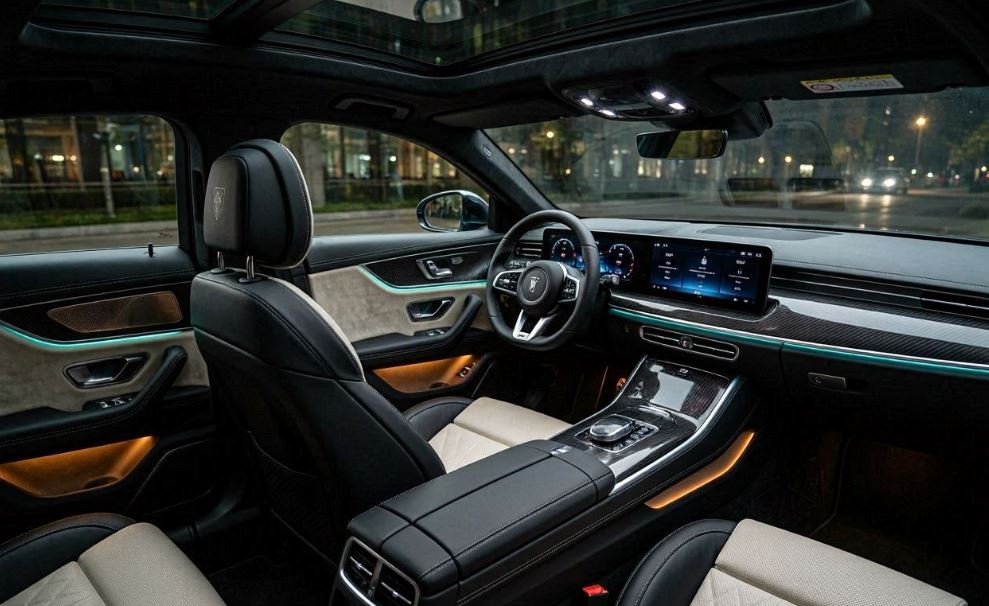
How Automotive Innovation Is Shaping the Future of LED Lighting Manufacturing
The automotive industry has undergone remarkable changes over the past decade. Electrification, intelligent driving systems, connected vehicles, and personalized interiors have transformed what consumers expect from modern automobiles. While engines and batteries often receive the most attention, lighting has quietly become one of the defining features of today’s vehicle design.
From premium ambient cabin lighting to commercial vehicle workspaces and customized aftermarket upgrades, LED lighting has become an essential component of the driving experience. As global demand continues to grow, businesses increasingly seek a reliable LED lighting manufacturer China capable of supplying high-quality products for OEM projects, distributors, and automotive accessory brands.
For procurement managers and product developers, selecting the right manufacturing partner is no longer simply about purchasing lighting products—it is about building a dependable supply chain that supports future innovation.
The Expanding Role of LED Lighting in Vehicles
Automotive lighting is no longer limited to headlights and brake lights.
Modern vehicles integrate LED lighting into numerous functional and decorative areas, including:
- Dashboard panels
- Door trims
- Footwells
- Center consoles
- Cup holders
- Cargo compartments
- Vehicle grilles
- Tailgate work lighting
These applications improve both usability and aesthetics.
Soft ambient lighting enhances driving comfort during nighttime journeys, while practical lighting simplifies loading cargo, locating personal belongings, and improving visibility inside the vehicle.
For manufacturers, lighting has become an important element of vehicle identity.
Personalization Is Driving New Opportunities
Consumers increasingly want vehicles that reflect their own personalities.
Instead of accepting standard factory interiors, many buyers now choose customized lighting packages that allow them to create unique cabin environments.
Popular features include:
- Adjustable brightness
- Multiple lighting colors
- Dynamic welcome effects
- Smartphone control
- Music synchronization
- Personalized lighting scenes
This trend has created significant business opportunities for aftermarket brands and OEM suppliers alike.
Companies working with an experienced LED lighting manufacturer China can develop customized lighting systems that differentiate their products while meeting evolving market expectations.
RGBW Technology Brings Greater Flexibility
Vehicle owners often expect lighting systems to provide both decorative effects and practical everyday illumination.
Traditional RGB lighting delivers vibrant colors but cannot always produce comfortable white light efficiently.
Modern RGBW LED technology solves this challenge by combining RGB color channels with a dedicated warm white LED.
This allows drivers to switch between colorful ambient effects and natural white lighting without changing hardware.
Some commercial RGBW LED strips feature 24V DC input voltage, RGB + Warm White color configuration, and 88W maximum power, making them suitable for larger applications such as recreational vehicles, luxury buses, commercial vans, and custom exhibition vehicles where extended lighting runs require stable electrical performance.
For automotive designers, RGBW technology provides greater creative freedom while improving the everyday usability of interior lighting.
Electrical Stability Matters in Vehicle Design
Vehicle electrical systems experience continuous voltage fluctuations caused by charging systems, engine operation, and accessory loads.
Lighting products must maintain consistent performance despite these changing conditions.
For larger vehicles, 24V lighting systems offer several practical advantages.
These include:
- Reduced voltage drop
- More uniform brightness
- Simpler wiring layouts
- Better performance across long lighting runs
Commercial transport vehicles, camper conversions, emergency service vehicles, and luxury coaches frequently benefit from these characteristics.
Stable electrical design also reduces installation complexity for professional vehicle converters.
Durability Is Essential for Automotive Applications
Automotive lighting operates in environments that are considerably more demanding than residential installations.
Lighting products may encounter:
- Continuous vibration
- Road dust
- Moisture
- High temperatures
- Cold weather
- UV exposure
Exterior decorative lighting and underbody installations often require IP65 waterproof protection to withstand rain, road spray, and routine vehicle washing.
Selecting lighting products with appropriate environmental protection helps extend service life while reducing maintenance requirements.
Reliable products also improve customer satisfaction and strengthen brand reputation.
Manufacturing Quality Influences Long-Term Success
Automotive customers expect lighting systems to perform reliably for many years.
Small inconsistencies during manufacturing can result in noticeable differences in brightness, color consistency, or long-term durability.
Professional manufacturers therefore invest heavily in:
- PCB quality control
- Copper foil consistency
- Soldering precision
- Thermal management
- Product testing
- Production traceability
These manufacturing processes help ensure every production batch delivers consistent performance.
For distributors and OEM customers, stable quality reduces warranty claims and simplifies inventory management.
Technical Collaboration Creates Better Products
Automotive lighting projects often involve much more than selecting a standard LED strip.
Product development teams may require assistance with:
- Electrical specifications
- Connector compatibility
- Controller integration
- Custom PCB layouts
- Packaging design
- OEM branding
An experienced led strip lights manufacturer provides engineering support throughout the development process rather than acting solely as a production facility.
This collaborative approach helps shorten development cycles while improving the reliability of finished products.
For growing automotive brands, technical support often becomes a valuable competitive advantage.
Looking Toward Intelligent Vehicle Lighting
The future of automotive lighting extends far beyond decorative illumination.
As vehicles become increasingly connected, lighting systems are beginning to interact with onboard software and intelligent control platforms.
Future applications may include:
- Adaptive ambient lighting based on driving mode
- Navigation-guided lighting effects
- Driver fatigue alerts
- Voice-controlled illumination
- Personalized user profiles
- Integration with vehicle operating systems
These technologies will continue to blur the boundary between hardware and software.
Manufacturers capable of combining reliable production with innovative engineering will play an increasingly important role in supporting the next generation of automotive development.
Driving Innovation Through Reliable Manufacturing
Modern automotive lighting is about much more than appearance. It contributes to safety, comfort, personalization, and the overall driving experience while supporting the rapid evolution of connected vehicles. As manufacturers and aftermarket brands continue developing new lighting solutions, dependable production quality becomes increasingly important.
Partnering with an experienced LED lighting manufacturer China enables automotive businesses to access consistent manufacturing, flexible customization, and technical expertise that support long-term growth. From passenger cars and electric vehicles to commercial fleets and specialty transport, well-engineered LED lighting continues to illuminate the future of the automotive industry while creating new opportunities for innovation across the global market.