

These Summer time projects are perfect for every landowner
For landowners, summer is more than just a warm season. It is often the most practical time to complete outdoor construction projects. Longer daylight hours, stable weather, and better ground conditions make it ideal for building essential structures that support farming, livestock care, storage, and daily property management.
Whether you manage a small rural homestead or a larger agricultural property, planning the right builds before summer ends can significantly improve efficiency year-round. From barns and workshops to shelters and storage solutions, the right structures help protect your investment, organize your space, and reduce long-term maintenance challenges.
This guide highlights eight essential builds every landowner should consider before the season shifts.
Landowner Construction Projects play a critical role in improving efficiency, organization, and long-term property value. During the summer months, Landowner Construction Projects are often easier to complete thanks to favorable weather and stable ground conditions. From barns and workshops to storage facilities and livestock shelters, Landowner Construction Projects help create a safer and more productive environment. Many property owners prioritize Landowner Construction Projects before fall arrives to prepare for changing seasonal demands. By investing in the right Landowner Construction Projects, rural property owners can support daily operations while protecting valuable assets for years to come.
Why Summer Is the Best Time to Build
Summer offers construction advantages that are hard to match in other seasons. Dry soil conditions allow for easier excavation and foundation work, while consistent temperatures help materials cure and set properly. Weather delays are also less frequent, which keeps projects on schedule and reduces labor interruptions.
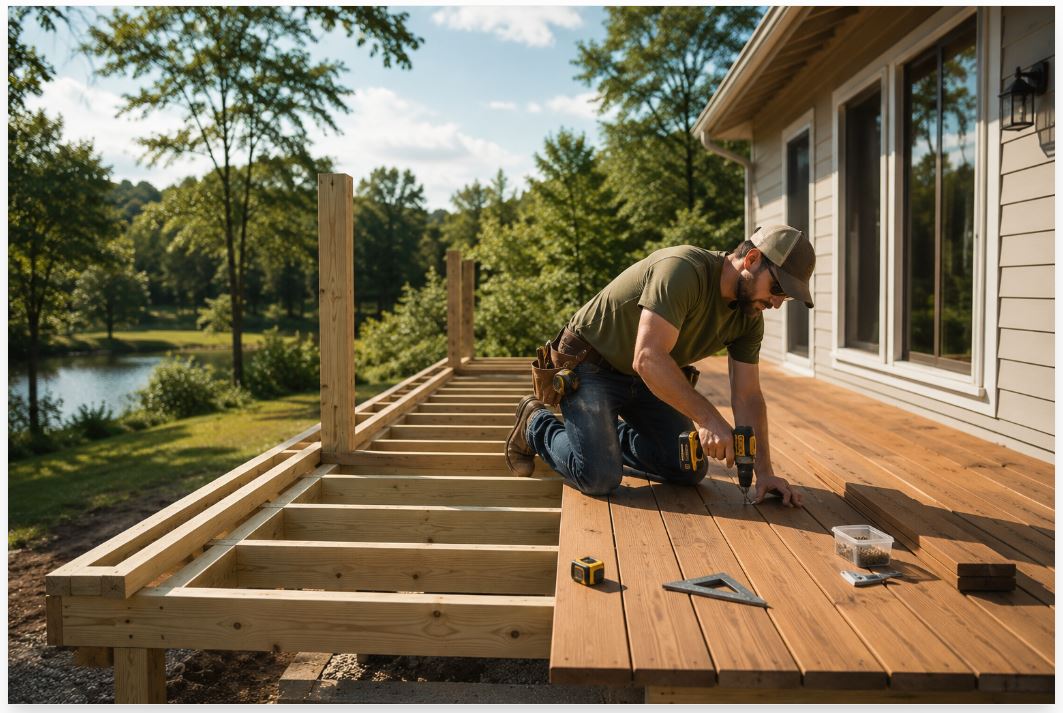
Summer is the perfect time to tackle construction projects that improve your property. The right construction projects can increase functionality, boost property value, and enhance outdoor living. Whether you own a small acreage or a large estate, strategic construction projects can make your land more productive and enjoyable before the season ends.
Another key advantage is accessibility. Equipment can move more easily across fields and driveways without the risks of mud or freezing conditions. It helps streamline everything from material delivery to final installation.
Finally, summer construction gives landowners the chance to prepare for fall and winter in advance. Completing key infrastructure now ensures animals, equipment, and supplies are protected when harsher conditions arrive.
1. Multi-Purpose Barn for Year-Round Use
A multi-purpose barn is one of the most valuable investments a landowner can make. It serves as a central hub for storing equipment, housing livestock, and protecting seasonal supplies. A well-designed barn can adapt to changing needs, making it useful for farming, hobby projects, or general property management.
When planning this type of structure, focus on flexibility. Open floor layouts, reinforced flooring, and proper ventilation can significantly improve usability. Many landowners also include loft spaces for hay or additional storage.
Durability is another key factor. Using quality materials and planning proper drainage around the foundation helps extend the life of the structure and reduces maintenance costs over time.
2. Secure Storage Shed for Equipment and Tools
Every landowner needs a reliable place to store tools, machinery, and seasonal equipment. A dedicated storage shed helps reduce clutter, protects valuable items from weather damage, and improves overall efficiency on the property.
Modern shed designs can be customized based on usage needs. Some landowners prioritize compact sheds for hand tools and garden supplies. In contrast, others require larger structures for tractors, mowers, and attachments.
Working with custom prefab barn builders in Virginia can help ensure your storage structure is designed with durability and local weather conditions in mind. Prefabricated options also reduce construction time, allowing you to get organized faster without sacrificing quality.
Proper placement of the shed is also important. Positioning it near primary work areas reduces travel time and streamlines daily tasks.
3. Livestock Shelter for Protection and Comfort
Livestock shelters are essential for maintaining animal health and productivity. Whether you raise cattle, goats, sheep, or poultry, animals need protection from heat, rain, and wind.
A well-designed shelter should prioritize airflow while still offering shade and insulation. Open-sided designs are commonly used in warmer climates. At the same time, enclosed areas may be needed for younger or more sensitive animals.
Space planning is also critical. Overcrowding can lead to stress and health issues, so it is important to provide adequate space for movement and rest.
Drainage should not be overlooked. A properly graded site prevents water accumulation, which helps maintain hygiene and reduces the risk of disease.
4. Functional Workshop for Repairs and Projects
A dedicated workshop gives landowners a controlled space for repairs, woodworking, and equipment maintenance. Instead of working outdoors in unpredictable conditions, a workshop allows for organized, year-round productivity.
Key features often include reinforced flooring, electrical access, and strong lighting. Many landowners also install workbenches, shelving systems, and tool storage walls to improve efficiency.
Ventilation is especially important when working with paints, fuels, or machinery. Proper airflow helps maintain a safe working environment and protects both tools and materials.
By investing in a workshop, landowners reduce their dependence on external repair services and gain greater control over property upkeep.
5. Dedicated Feed and Supply Storage Building
Proper feed storage is critical for anyone managing livestock. Exposure to moisture, pests, or extreme temperatures can quickly ruin feed quality, leading to unnecessary loss and added expense.
A dedicated storage building helps maintain consistent conditions. Sealed containers, raised platforms, and insulated walls are commonly used to protect feed and supplies.
Organization also plays a major role. Separating different types of feed and labeling storage areas improves efficiency and reduces waste. Some landowners also include sections for fertilizers, seeds, and seasonal agricultural supplies.
Keeping these materials in a controlled environment ensures they remain usable throughout the year, especially during seasonal transitions.
6. Efficient Horse Barn Designed for Daily Care
Horse care requires specialized facilities that prioritize safety, comfort, and accessibility. A properly designed horse barn supports feeding routines, grooming, and veterinary care while ensuring animals remain secure and stress-free.
Stall design is a major consideration. Adequate spacing, strong partitions, and easy-to-clean flooring all contribute to a healthier environment. Proper ventilation helps regulate temperature and improve air quality inside the barn.
Many property owners choose to consult prefab horse barn builders when planning these structures. Prefabricated designs can streamline construction while still allowing customization for stall layout, tack rooms, and storage areas.
Lighting and aisle width are also important for safe daily handling. A well-planned layout reduces risk during movement and improves overall workflow.
7. Fence Systems and Livestock Containment Areas
Fencing is one of the most important yet often underestimated parts of a land management system. Strong and properly installed fencing ensures livestock safety, defines property boundaries, and protects crops from damage.
Different animals require different fencing types. For example, cattle may need reinforced wire systems, while horses require smooth, high-visibility barriers. Choosing the right material is essential for long-term reliability.
A well-designed enclosure system improves both safety and efficiency across the entire property.
8. Utility Sheds and Tack Rooms for Daily Organization
Utility sheds and tack rooms help keep smaller but essential items organized. These spaces are often used for saddles, harnesses, grooming tools, and everyday supplies.
Inside design matters as much as structure. Hooks, shelving, and labeled compartments help maintain order and reduce time spent searching for equipment.
For landowners with active daily operations, this type of structure can significantly improve workflow and reduce unnecessary stress.
Conclusion
These construction projects can transform your property before summer ends. Each project adds value, function, and curb appeal. Smart construction projects also improve outdoor living and land management. From storage solutions to recreational spaces, construction projects create lasting benefits. Start planning these construction projects today to maximize your property’s potential. With the right construction projects, your land can remain productive, attractive, and enjoyable for years.
Building the right structures before summer ends can transform how a property functions throughout the year. From barns and workshops to shelters and storage spaces, each addition contributes to improved efficiency, safety, and organization.
By planning carefully and investing in durable construction, landowners can create a more productive and manageable environment that supports both daily tasks and long-term goals.