

Key Takeaways
- Pre-employment health checks are becoming a standard practice to ensure workplace safety and compliance.
- These assessments help reduce long-term health-related costs and improve overall employee well-being.
- Employers are focusing on comprehensive well-being programs to attract and retain top talent.
The Rising Importance of Pre-Employment Health Checks
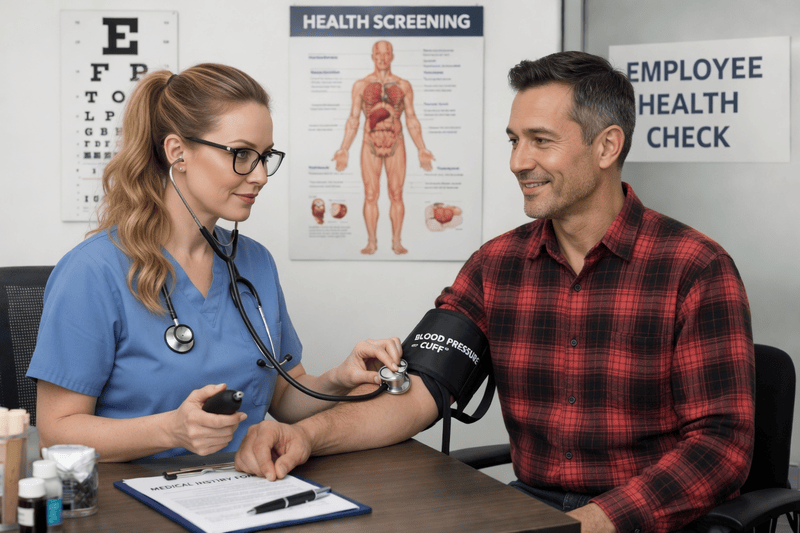
In today’s competitive job market, employers increasingly understand the importance of pre-employment physicals in NJ to ensure candidates are physically and mentally prepared for their roles. These assessments help promote a safer, more productive work environment. For example, The Doctor Is In, a trusted healthcare provider in New Jersey, offers comprehensive pre employment physicals in NJ tailored to the unique demands of different workplaces.
As job roles evolve, health assessments can be customized to match specific tasks and risks. Physically demanding positions may require musculoskeletal, cardiovascular, and vision or hearing evaluations, while desk-based roles may focus on cognitive ability, stress resilience, and ergonomic adaptation. This targeted approach helps employers place the right people in the right jobs, reducing turnover and improving engagement from day one.

Ensuring Workplace Safety and Compliance
Conducting health screenings before hiring helps identify any medical conditions that could pose risks in the workplace. This proactive approach not only safeguards the individual’s health but also protects the entire workforce. Moreover, adhering to health and safety regulations through these checks ensures compliance with industry standards, reducing the risk of legal complications.
Organizations are subject to intense scrutiny from regulatory bodies, particularly in sectors with inherent risks such as healthcare, transportation, and food services. Implementing systematic health screening processes can result in fewer incidents, better regulatory audit outcomes, and enhanced reputational standing. Many insurance providers also require organizations to demonstrate due diligence in health and safety practices to qualify for reduced premiums. Thus, pre-employment health assessments can yield both direct and indirect economic benefits through compliance and risk mitigation.
Reducing Long-Term Health-Related Costs
Investing in pre-employment health assessments can lead to significant cost savings for organizations. By identifying health issues early, employers can mitigate potential absenteeism, reduce healthcare expenses, and decrease the likelihood of workplace accidents. A survey revealed that employers are focusing on cost containment amid rising medical costs, with health benefit cost control overtaking workforce challenges as a top priority for 2026.
Health-related absenteeism and presenteeism (when employees work while unwell) account for billions of dollars in lost productivity each year. Pre-employment screenings help by catching chronic or latent conditions that, if left undetected, might lead to longer-term absences or even workplace injury. In addition, employers who invest in health promotion programs alongside screenings often see a positive return on investment, as healthier employees take less sick leave and generally remain with organizations longer, improving succession planning and reducing the costs of repeated hiring.
Enhancing Employee Well-Being and Productivity
Beyond compliance and cost savings, pre-employment health checks demonstrate an employer’s commitment to employee well-being. This commitment can boost morale, enhance job satisfaction, and improve overall productivity. A study found that nearly one in three employers expect to expand voluntary benefit offerings by 2027, highlighting the growing emphasis on employee well-being.
Employee well-being is no longer a peripheral concern. It sits at the heart of successful organizational culture, with business leaders recognizing the linkage between well-being, motivation, and innovation. Health checks can play a foundational role in these initiatives, serving as a launchpad for further wellness efforts such as mental health support, fitness programs, access to counseling, and healthier cafeteria options. In turn, organizations can expect stronger loyalty, lower turnover, and higher performance from a workforce that feels cared for and supported.
Modern workplaces are also using aggregated (de-identified) health data collected from pre-employment health checks to guide corporate wellness priorities, allocating resources to areas where employees most need support. These insights further personalize benefits, deepening the relationship between employer and employee.
Attracting and Retaining Top Talent
Incorporating health checks into the hiring process can also serve as a competitive advantage. Prospective employees are increasingly valuing comprehensive health and wellness programs when choosing employers. By prioritizing health checks, companies signal their dedication to creating a supportive and health-conscious work environment, which can be a decisive factor for top talent.
Applicants often view rigorous health and wellness offerings as indicative of a company that values its staff. This enhances employer branding: positive word of mouth, online employer reviews, and retention rates all intertwine to make health-conscious organizations more attractive to skilled workers. In industries facing talent shortages, this reputation for care and support can position a business ahead of competitors that invest less in employee health. Ultimately, this cycle of attraction and retention shapes long-term business resilience and adaptability.
Moreover, in a global landscape where talent mobility and remote work are increasing, a robust health and well-being strategy, including pre-employment health screenings, sets forward-thinking organizations apart. Companies that include family health benefits, mental health support, and preventative care services see higher application rates and improved workforce stability.
Implementing Effective Health Screening Programs
To maximize the benefits of pre-employment health checks, organizations should develop clear policies outlining the scope and procedures of these assessments. Partnering with reputable healthcare providers ensures the accuracy and reliability of the screenings. Additionally, maintaining transparency with candidates about the purpose and process of health checks fosters trust and cooperation.
Best practices for implementing health screenings include keeping processes consistent and fair for all candidates, leveraging digital scheduling and record-keeping tools to streamline experiences, and regularly reviewing the relevance of the checks in light of evolving job requirements or health knowledge. Training hiring managers and HR teams on legal and ethical considerations is essential to promote a standardized, respectful approach. Establishing robust data protection measures safeguards both the organization and the individuals involved, ensuring privacy and mitigating risks related to data misuse.
Feedback loops, such as collecting anonymous insights from candidates after the assessment, help organizations evolve their approach and maintain a candidate-centered experience. In turn, this increases candidate engagement, transparency, and overall satisfaction with the hiring process.
Addressing Potential Challenges
While the advantages are clear, employers must navigate potential challenges such as privacy concerns and the risk of discrimination claims. It’s crucial to ensure that health checks are conducted ethically, in accordance with candidates’ rights and all relevant laws and regulations. Providing clear communication and obtaining informed consent are essential steps in this process.
Employers should always ensure assessments are strictly relevant to job requirements and never act as a tool for unwarranted exclusion. Legal frameworks such as the Americans with Disabilities Act (ADA) or the General Data Protection Regulation (GDPR) in Europe provide valuable guardrails for structuring compliant, non-discriminatory evaluation processes. Additionally, offering reasonable accommodations and supporting candidates through a transparent appeals process reinforces a commitment to fairness and equity throughout the hiring journey.
Ongoing training and regular audits of health assessment practices will help organizations adapt to regulatory changes and emerging best practices. This vigilance reduces legal risk, maintains trust, and ensures that the focus remains squarely on hiring for capability and potential, not on disqualifying candidates without cause.
Conclusion
Pre-employment health checks are more than just a procedural formality; they are a strategic investment in the safety, well-being, and productivity of the workforce. By integrating these assessments into the hiring process, employers not only comply with regulations but also foster a culture of health and care that benefits both the organization and its employees.
Looking ahead, the role of pre-employment health checks is set to expand as medical technology advances and holistic employee well-being gains greater focus. Organizations that embrace these changes, adapting their practices, investing in the latest screening tools, and maintaining ethical, legal, and compassionate approaches, will be best positioned to thrive. As work environments become more dynamic and employee expectations continue to evolve, health checks represent not just a gatekeeping function but a key driver of resilient, engaged, and future-ready teams.