

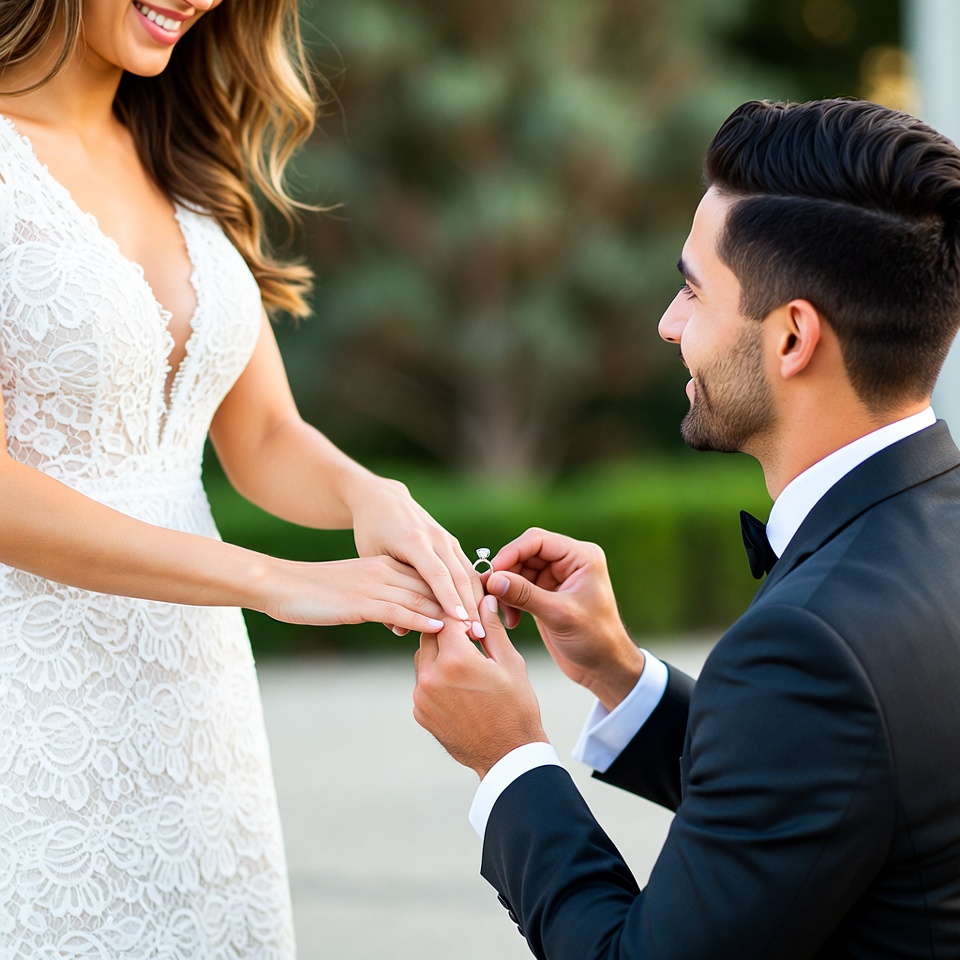
For something so small, an engagement ring carries a surprising amount of cultural weight. It marks a promise about the future, but it also communicates taste, identity and values to everyone who catches a glimpse of it. In recent years, the visual language of engagement rings has undergone a subtle transformation. The focus is no longer only on status or tradition, but also on design, context and individuality.
This shift has led to a growing appreciation for contemporary engagement ring styles that draw from architecture, fashion and the realities of modern life. They are recognizably engagement rings, yet they feel less bound by the expectations of earlier generations.
Shaping the Stone, Shaping the Mood
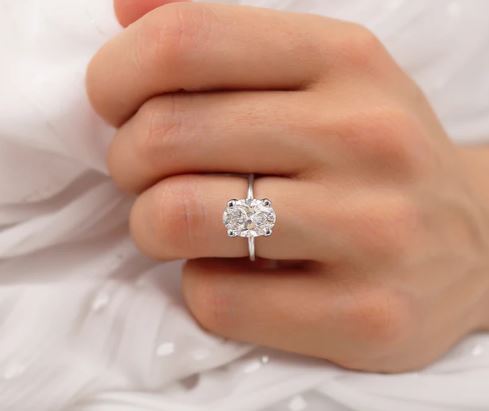
Historically, diamonds were cut to maximize brilliance. Round brilliants dominated for decades, prized for their sparkle and symmetry. While still beloved, they now share space with shapes that evoke different moods.
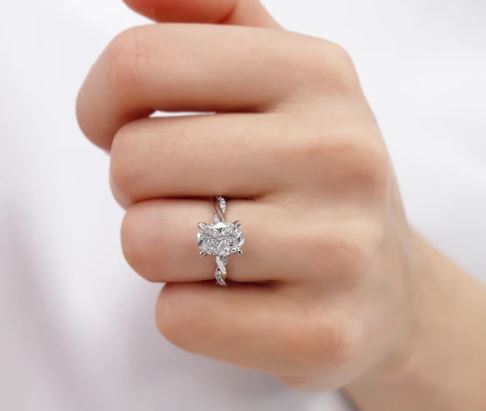
Ovals and pears offer an elongated silhouette that feels fluid and elegant. Emerald and Asscher cuts embrace clarity and geometry, revealing their character through clean lines rather than glitter. Radiant cuts present something in between, combining rectangular structure with lively facets and light play.
These shapes influence how a ring feels on the hand. An oval can look soft and organic, reminiscent of brushstrokes. A sleek emerald cut might whisper of modern architecture. A marquise, once associated with vintage glamour, can become unexpectedly contemporary when paired with a slim band or unusual setting.
Stone shape has become part of a quiet form of storytelling. It suggests something about the wearer, although never in a literal way.
Bands, Bezels and the Power of Restraint
A noticeable trend in recent design is the use of restraint. Rather than surrounding stones with layers of halos or ornate scrolls, many rings now rely on proportion and tension to create interest.
Slim bands are one example. A thin sliver of metal can make a diamond appear to float, or at least take center stage without distraction. Yellow gold bands in particular offer warmth that feels sophisticated but unfussy.
Bezel settings, once favored mostly for practicality, have gained aesthetic credibility. They encircle a stone with metal, offering protection while also framing the diamond like a small piece of art. A bezel can transform even a traditional round stone into something that feels contemporary.
Not every modern ring is minimalist. Some designers play with sculptural elements, such as curved shanks that seem to flow around the finger or asymmetric accents that interrupt expectations. The guiding principle seems to be thoughtfulness, not embellishment for its own sake.
Geometric Play and Architectural Influence
If you listen to jewellers talk about their work, you will often hear references to architecture. Buildings and rings do share certain concerns: structure, tension, negative space, weight and balance.
Some contemporary rings incorporate geometric side stones. Trapezoids, kites and half moons appear alongside center diamonds, creating symmetry or contrast depending on how they’re positioned. A three stone ring that once might have felt traditional becomes sharper and more decisive with angular side cuts.
Negative space is another element borrowed from architecture. Instead of filling every millimeter with metal or gems, designers leave gaps that allow skin and light to enter the composition. The result is airy and modern, almost like a sketch translated into metal.
These geometric experiments offer a sort of intellectual pleasure. The ring becomes more than ornamentation; it becomes a small study in form.
Stacking, Stacking and More Stacking
One of the more practical changes in recent years is the expectation that engagement rings will be stacked with wedding bands or other jewellery. Instead of designing in isolation, rings are created with compatibility in mind.
This has encouraged lower settings, contoured bands and rings that sit flush without awkward gaps. While older rings often required custom wedding bands to nestle against them, many modern designs anticipate the pairing from the beginning.
Stacking also reflects how people actually wear jewellery now. Engagement rings are no longer only for formal moments. They live in workplaces, gyms, airports and kitchens. Their design considers integration rather than singularity.
The Role of Color and Contrast
Diamonds are famously colorless, but color is finding its way into engagement jewellery through metals and accent stones. Yellow gold has become the metal of choice for many who want warmth. Its popularity might be a reaction to decades dominated by white metals, or perhaps a reflection of a broader trend toward earthy tones in fashion.
Some rings introduce contrast through blackened metal, colored pavé or unexpected gemstones accompanying a diamond center. These touches are rarely bold enough to overwhelm, but they create layers of texture and interest.
Even subtle contrasts can shift perception. A cool-toned emerald cut in platinum feels crisp and understated, while the same stone in yellow gold gains a nostalgic, almost cinematic softness.
Rethinking Tradition Without Abandoning It
For all the experimentation, the engagement ring remains a deeply traditional object. Proposals still inspire nerves and secrecy. Families still ask to hear the story. Rings still become heirlooms.
The shift toward contemporary aesthetics does not reject tradition, but rather expands it. A solitaire can remain a solitaire, even if its prongs are engineered differently or its band is thinner or its diamond sourced from a lab instead of underground.
In that sense, the engagement ring reflects broader changes in relationships. Modern couples negotiate their futures collaboratively. They merge past and present, sentiment and practicality, without feeling beholden to a script.
Attention to Real Life
One quiet reason for the design evolution is simply reality. Hands are busy. People type, lift, commute and wash dishes. They travel more and wear rings in more contexts than previous generations might have.
Low profiles, protective bezels, durable metals and smooth finishes accommodate real life. These considerations do not strip away romance. Instead, they make it easier for rings to coexist with life beyond celebrations and photographs.
A ring built for daily wear feels less like a delicate trophy and more like a companion.
Forward Momentum in a Small Object
What makes contemporary diamond engagement ring designs so interesting is not a single trend but the layering of cultural, technological and aesthetic influences. They borrow freely from modernism, vintage jewellery, sustainability conversations and the quiet desire for objects that feel considered rather than generic.
The engagement ring has always been a symbol of hope and intention. Its latest evolution suggests an optimism about creativity and individuality as well. People are no longer content to choose a ring because it looks like everyone else’s. They want a piece that aligns with who they are now and who they expect to become.
If history tells us anything, it is that jewellery rarely stays still for long. Styles shift, expectations evolve and materials change. Yet the core impulse behind the engagement ring remains steady. It marks the beginning of something that unfolds slowly over time, long after trends fade and conversations end.