

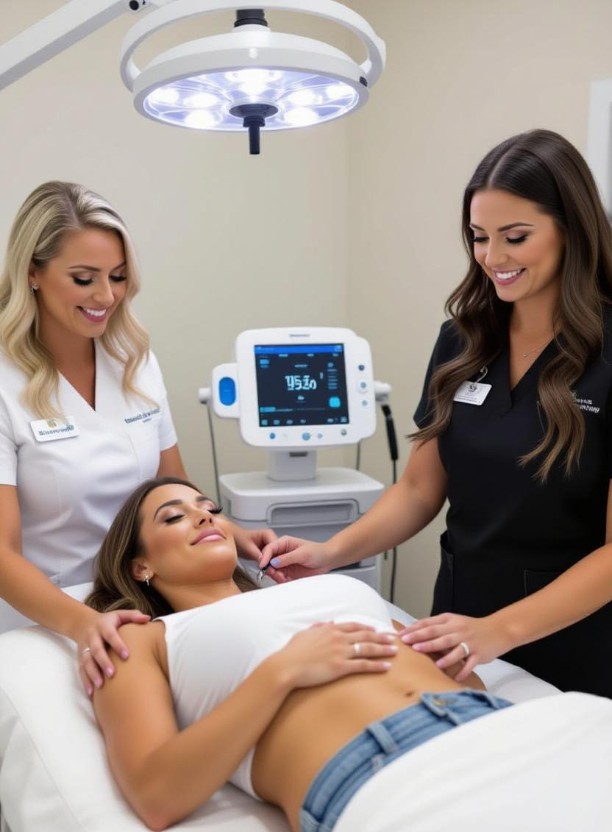
When it comes to body contouring, many people want to slim stubborn areas of fat but hesitate at the thought of surgery. Liposuction has long been the gold standard for fat removal, but it requires anesthesia, incisions, and a recovery period. For those who prefer a less invasive approach, nonsurgical fat reduction offers an alternative. Using advanced technology, these treatments can reduce fat cells without the need for knives or downtime, making them increasingly popular in aesthetic medicine.
Understanding Nonsurgical Fat Reduction
Nonsurgical fat reduction, sometimes called noninvasive body contouring, refers to treatments that target and destroy fat cells without surgery. Instead of manual removal, these techniques use specialized devices to break down fat through controlled cooling, heat, ultrasound, or radiofrequency energy. Over time, the body naturally eliminates the treated fat cells, resulting in a slimmer and more sculpted appearance, you can learn more at Remuve.

These treatments are designed for people who are close to their ideal weight but struggle with localized fat pockets—think love handles, belly bulges, thighs, or under the chin. They are not weight-loss solutions, but rather body-shaping tools that refine specific areas.
How Does It Work?
Different nonsurgical methods use different forms of energy, but the principle is the same: fat cells are more sensitive to these treatments than surrounding tissues. By carefully applying controlled energy to the targeted area, the fat cells are damaged while skin, muscles, and nerves remain unharmed. The body then processes and removes the dead fat cells over several weeks.
Benefits of Nonsurgical Fat Reduction
The rise in popularity of nonsurgical fat reduction is no surprise when you consider its benefits:
- No Incisions or Scars
Unlike liposuction, these treatments don’t require cutting into the skin. Patients don’t have to worry about scars or stitches.
- Minimal Downtime
Most people return to daily activities immediately after a session. At most, you may experience mild redness, swelling, or tenderness, but it typically subsides within a few days.
- Natural-Looking Results
Because fat is eliminated gradually, results appear over weeks, giving a more subtle and natural contour compared to sudden surgical changes.
- Targeted Approach
These treatments focus on specific problem areas that are resistant to diet and exercise, offering a customized sculpting effect.
- Safety
When performed by trained providers, nonsurgical fat reduction has a strong safety profile with very low risk of complications.
What Areas Can Be Treated?
Nonsurgical fat reduction is versatile and FDA-cleared for multiple areas of the body, including:
- Abdomen and waist (“belly fat”)
- Flanks or “love handles”
- Thighs (inner and outer)
- Upper arms
- Double chin (submental fat)
- Back fat and bra bulges
- Beneath the buttocks (“banana roll”)
This flexibility makes it appealing for patients who want to fine-tune their body shape without committing to a major procedure.
What to Expect During Treatment
A typical session lasts between 30 minutes and one hour, depending on the area being treated. The device applicator is applied to the skin and delivers energy in a controlled way. Most patients describe sensations like intense cold, warmth, tingling, or mild suction, but the discomfort is usually tolerable. Many people read, check emails, or even nap during the session.
Afterward, there’s little to no downtime. You can usually return to work, exercise, or social plans right away. Results become noticeable within three to six weeks, with continued improvement over several months as the body eliminates fat cells.
How Effective Is It?
Clinical studies show that nonsurgical fat reduction can reduce fat in treated areas by 20–25% per session. Multiple treatments may be needed for optimal results, depending on the amount of fat and the technology used. While results are permanent (destroyed fat cells do not regenerate), maintaining a healthy lifestyle is key. If you gain weight, remaining fat cells can still expand.
Who Is a Good Candidate?
The best candidates are:
- Within 20–30 pounds of their ideal weight
- Struggling with localized fat pockets that don’t respond to diet or exercise
- In good overall health
- Realistic about results (looking for shaping, not dramatic weight loss)
Those with significant obesity, loose skin, or certain medical conditions may not be ideal candidates. A consultation with a qualified provider helps determine the best approach.
Nonsurgical vs. Surgical Fat Reduction
While nonsurgical fat reduction is effective, it’s not a replacement for liposuction in every case. Liposuction can remove larger volumes of fat in one session and offers more dramatic reshaping. However, surgery carries higher risks, recovery time, and cost. For many people with modest contouring goals, nonsurgical options strike the right balance of convenience and results.
Final Thoughts
Nonsurgical fat reduction represents a breakthrough in aesthetic medicine, offering people the chance to sculpt their bodies without going under the knife. With multiple technologies available, it’s possible to target stubborn fat areas safely, effectively, and with minimal interruption to daily life. While it won’t replace healthy eating and exercise, it can enhance results and give a confidence boost to those who want a more defined silhouette.
If you’re considering this treatment, consult a board-certified provider who can assess your goals and recommend the best method for you. With realistic expectations and the right approach, nonsurgical fat reduction can help you achieve a slimmer, more sculpted appearance—no surgery required.