

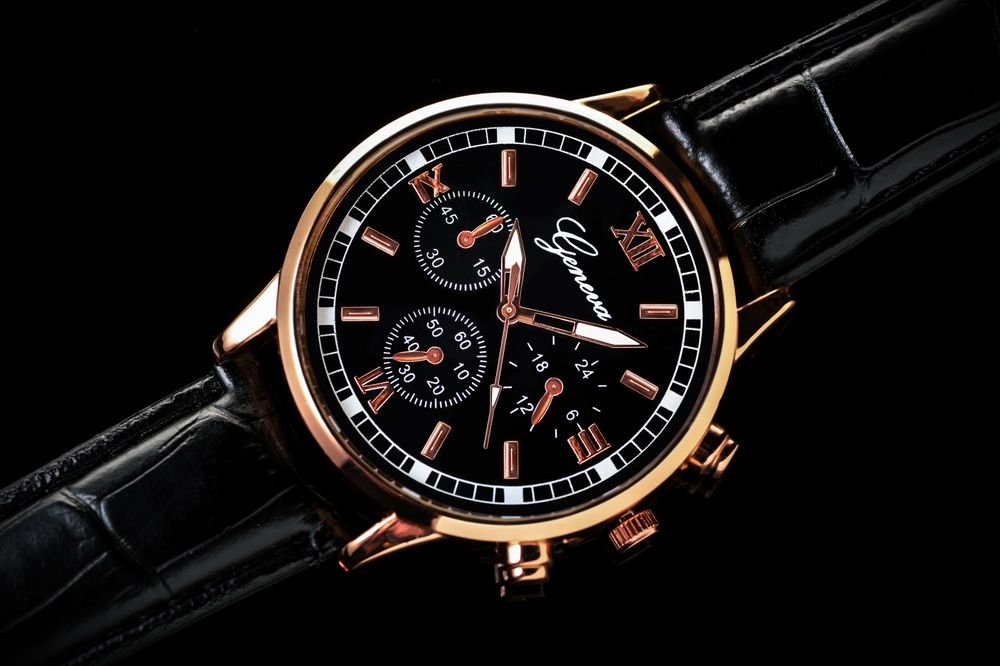
Understanding the Beauty of Luxury Watch Design
A wristwatch that catches your eye in a photo or behind a glass display case won’t necessarily hold up to the demands of daily wear. The right choice has less to do with how a watch looks on day one and more to do with your routine, your environment, how it feels on the wrist over time, and how much upkeep you’re actually willing to put into it. Details like movement type, case materials, legibility, and water resistance all determine how functional a watch really is once it’s off the shelf and on your wrist. Readers researching examples from established categories may come across breitling watches during their search, but this article sticks to general selection criteria rather than pointing toward any particular brand or retailer. Before you commit to buying, it’s worth cross-checking specifications against manufacturer documentation, recognized testing standards, and the realistic wear and tear a watch will face.
Find a Luxury Watch That Complements Your Lifestyle
Lifestyle should drive the decision before looks or brand recognition even enter the conversation. Common scenarios include everyday office or casual wear, formal events, travel across time zones, outdoor activity, anything involving water, and occasional or collector-style wear. Before narrowing things down, it helps to ask a few questions: Will the watch be exposed to water, dust, impact, or shifting temperatures? Does precise timekeeping matter more than mechanical craftsmanship? Will it be worn daily, or spend long stretches in a drawer? And are any extra functions actually useful, or just there for show?
Picture two commuters: one walks to work through unpredictable weather and wants a rugged case with a strap that won’t budge, while the other sits at a desk all day and prefers something thin and light enough to slide under a shirt cuff. The same watch could easily satisfy one and annoy the other.
Discover the Art of Luxury Watch Movements
Quartz Watches and Precision Timekeeping
Quartz movements run on electronic regulation and are typically prized for accuracy, convenience, and the fact that they ask very little of you in terms of upkeep. That said, battery replacement and the occasional seal check are still part of the deal. Quartz isn’t a sign of lower quality—it’s simply a different engineering approach to keeping time than its mechanical counterpart.
The Craftsmanship of Mechanical Luxury Watches
Mechanical movements store and release energy through a mainspring, wound either by hand or automatically via wrist motion. These movements are more intricate by nature, may drift slightly more in accuracy, and generally call for periodic servicing. They also tend to be more vulnerable to shocks, magnetism, and long periods of neglect. Terms like power reserve, frequency, jewel count, and regulation all describe how a movement operates, though how much they matter depends entirely on the owner. The bottom line: movement type should match personal habits, not act as a stand-in for a quality ranking.
Find the Perfect Fit for Your Luxury Timepiece
Case diameter alone won’t tell you how large a watch actually feels once it’s strapped on. Lug-to-lug length, case thickness, bezel width, dial design, and strap flexibility all play a role in comfort. A more reliable approach is measuring your wrist and comparing those numbers to a watch you already find comfortable, rather than leaning on diameter as the only metric. Thinner cases tend to slide more easily under shirt cuffs, while larger cases can improve legibility—at the cost of extra weight. A simple fit checklist, comparing lug-to-lug span, thickness, and strap flexibility, will serve you better than fixating on a single number.
Understand the Features of An Exceptional Luxury Watch
Specifications deserve to be read for what they actually mean, not just how impressive they sound. That includes accuracy tolerances, power reserve, crystal material, case material, luminescence, and resistance to shock or magnetism. A bigger number isn’t automatically better for everyone—extra water resistance, for example, means little to someone who never goes near a pool. It’s also worth double-checking whether a listed feature applies to the whole model line or just one specific variant. Official technical documentation and reputable, independent horological sources are the best places to verify these claims before you buy.
Explore Water Resistance in Luxury Watches
Water resistance is a tested performance rating, not a lifetime guarantee. A watch rated for the occasional splash is a very different animal from one built for showering, swimming, snorkeling, or scuba diving. A diver’s watch, in particular, has to meet requirements well beyond a stated depth figure: ISO 6425 lays out the requirements and test methods for diver’s watches rated for immersion of at least 100 meters, covering things like readability and a securely locking timing system.[1] Water resistance can also degrade over time—aging gaskets, an open crown or pusher, case damage, a botched repair, or even temperature swings can all chip away at it. Crowns and chronograph pushers should never be touched underwater unless the manufacturer explicitly says it’s safe to do so.
Key Takeaway: A depth rating reflects lab-tested performance, not a blanket promise that every real-world activity in the water is safe.
Discover Premium Materials and Elegant Watch Design
Sapphire crystal holds up well against scratches, mineral glass strikes a balance between cost and durability, and acrylic absorbs impact well and can be buffed out if it gets scratched. Scratch resistance and shatter resistance are two separate qualities, and it’s easy to conflate them.
When it comes to straps and bracelets, leather, rubber, fabric, and metal each suit different climates, comfort levels, and degrees of formality. Sweat, salt water, and regular moisture exposure can wear down certain materials faster than others. Checking lug width and confirming replacement availability before buying can save you a headache down the road.
Case materials like stainless steel, titanium, ceramic, and precious metals each come with their own trade-offs in weight, scratch resistance, appearance, and upkeep. None of them is universally “best”—it really comes down to how you plan to use the watch.
Protect Your Luxury Watch Collection
The purchase price is just the starting point of what you’ll spend owning a watch. Down the line, you might deal with battery replacements, mechanical servicing, water-resistance testing, strap swaps, or crystal and bezel repairs. Hanging onto receipts, model references, warranty paperwork, and service records pays off both for maintenance and resale. If you’re buying pre-owned, check the seller’s identity and return policy, verify serial and reference numbers, make sure components are consistent with each other, look into service history, and watch for signs of polishing, moisture damage, or unauthorized modification. Any technical work should go through qualified watchmakers or authorized service providers, and claims that can’t be verified are worth treating with skepticism.
Choose Luxury Watch Features That Enhance Your Lifestyle
Complications should solve an actual problem, not just add complexity for its own sake. Common ones include date display, chronograph, GMT or dual-time function, rotating bezel, alarm, and moon-phase display. A simple framework can help clarify priorities:
- Prioritize legibility for everyday use.
- Prioritize water resistance for aquatic activities.
- Prioritize low maintenance for convenience.
- Prioritize thinness and comfort for formal wear.
- Prioritize a robust case and secure strap for active use.
The Luxury Watch Buyer’s Essential Checklist
- Intended daily environment
- Preferred movement type
- Comfortable case dimensions
- Appropriate water-resistance level
- Crystal and case-material needs
- Strap or bracelet suitability
- Service and replacement costs
- Documentation, warranty, and seller reliability
How to Select Your Signature Luxury Timepiece
Narrow your options down to two or three watches and compare them against the same set of criteria. Whenever you can, try the watch on or inspect it in person to judge case thickness, legibility, and overall comfort for yourself. Choosing based on how well a watch fits your actual routine tends to hold up better over time than chasing trends or technical bells and whistles.
Key Takeaway: The best watch is the one whose design, specifications, and maintenance demands actually line up with how you live. Check the authenticity of your timepiece to make sure you have a real luxury watch.
Embrace the Art of Luxury Watch Ownership
Luxury watch selection works best when it starts with real-life needs and only then moves toward specs and style. Movement type, water resistance, comfort, materials, and maintenance all factor into how satisfied you’ll be with a watch over the long haul. Compare a short list of suitable models using the checklist above, and confirm any claims that matter to you through reliable documentation before making your final call.
The Art of Choosing the Perfect Luxury Timepiece
Choosing the perfect luxury watch is about finding an exceptional balance between timeless elegance, personal style, and sophisticated craftsmanship. From precision-engineered movements to exquisite materials and refined designs, every detail contributes to a truly remarkable timepiece.
Ultimately, a luxury watch is more than a fashionable accessory. It is an expression of individuality, an appreciation for fine watchmaking, and a timeless addition to your personal collection. By selecting thoughtfully, you can enjoy an extraordinary timepiece that reflects your taste and sophistication for years to come.
[1] ISO 6425, Horology — Divers’ watches, International Organization for Standardization.