

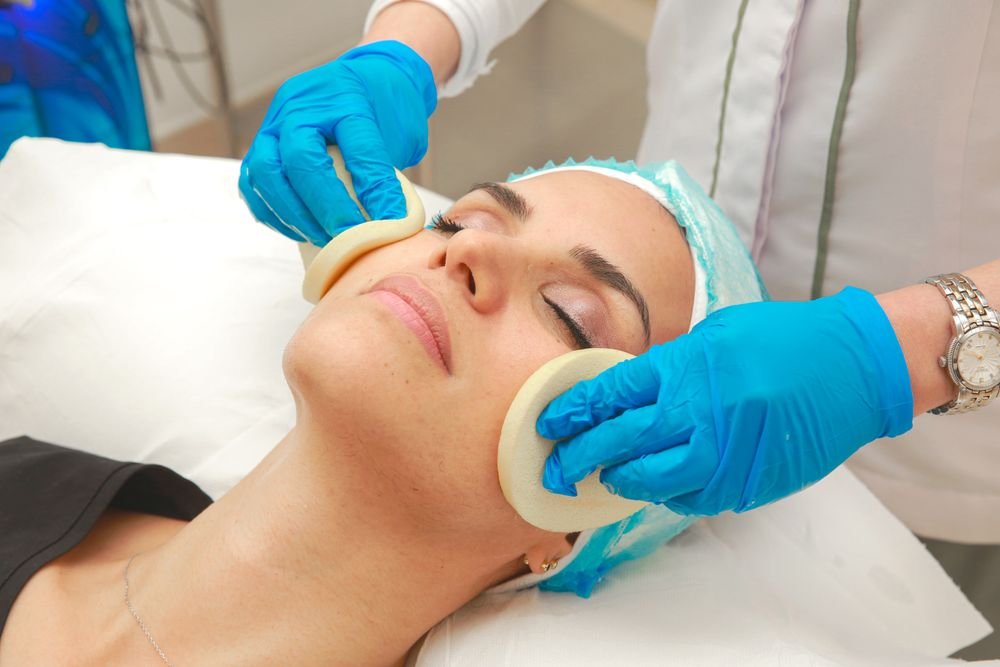
From advanced laser technology to collagen-stimulating treatments, the aesthetics industry is evolving toward personalized beauty. Patients are increasingly interested in subtle refinements, preventative care, and sophisticated procedures that address individual concerns.
Research from NewBeauty’s State of Aesthetics Summer 2026 report identifies skin rejuvenation as a major consumer priority, with 73.2% of surveyed respondents expressing interest. Meanwhile, emerging regenerative treatments are attracting attention, although scientific evidence and regulatory approval vary considerably.
For those who appreciate luxury beauty and wellness, these developments offer a fascinating look at the treatments shaping modern aesthetics.
Key Takeaways
-
Natural-looking results, skin quality, and long-term maintenance are major themes influencing beauty treatments in 2026.
-
Botox remains highly popular, while collagen stimulators, microneedling, and laser treatments are attracting growing interest.
-
Energy-based treatments are gaining attention for skin resurfacing, tightening, and body contouring.
-
Regenerative aesthetics, including PRP and PRF, are generating curiosity, although newer treatments require careful evaluation.
-
Weight-loss-related changes in facial and body contours are influencing demand for personalized aesthetic care.
-
Luxury beauty increasingly emphasizes individualized treatment plans, professional expertise, and realistic expectations.
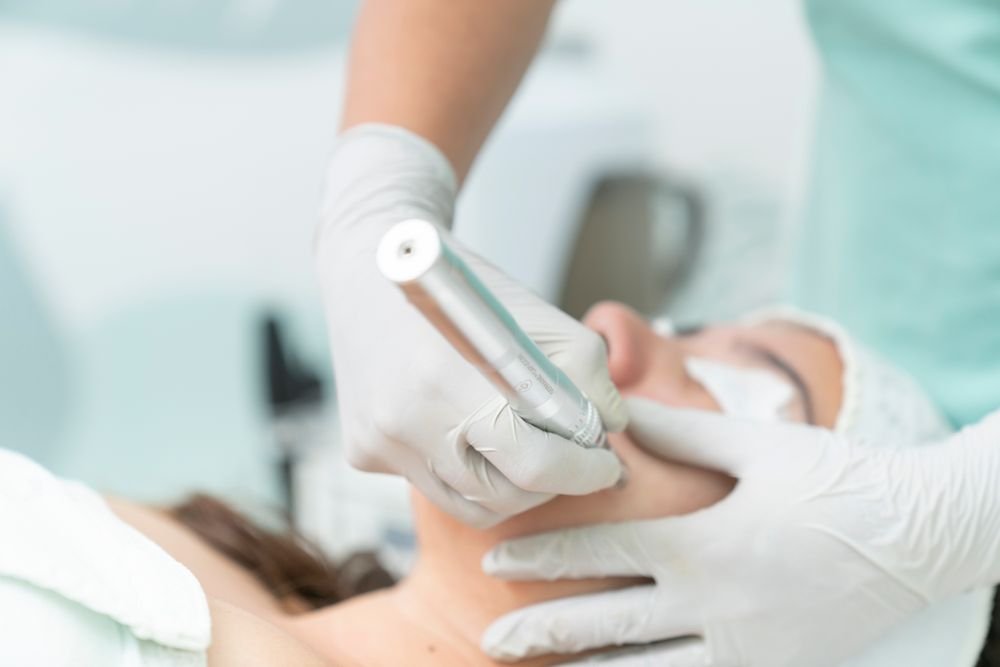
Image Used With Permission By ANVA Marketing/Pexels
1. Advanced Laser Skin Rejuvenation
Laser treatments are among the most interesting developments in luxury aesthetics. Modern devices offer approaches to concerns such as uneven skin texture, sun damage, pigmentation, and certain signs of aging.
According to RealSelf’s first-quarter 2026 trend report, interest in UltraClear Laser increased 85% compared with the preceding quarter. Other energy-based technologies also experienced significant increases in consumer attention.
For luxury beauty enthusiasts, the appeal lies in personalized treatment selection rather than a single universal solution.
2. Botox and Natural-Looking Injectable Treatments
Botulinum toxin injections remain a leading aesthetic treatment for temporarily reducing the appearance of certain facial wrinkles.
The International Society of Aesthetic Plastic Surgery’s latest global survey reports approximately 7.3 million botulinum toxin procedures performed by plastic surgeons worldwide in 2025, making it the most common nonsurgical procedure in that survey.
In 2026, the broader conversation increasingly emphasizes maintaining natural facial expression rather than pursuing an exaggerated appearance.
Treatment planning considers facial anatomy, muscle movement, individual goals, and the appropriate use of injectables.
Botulinum toxin is a medical treatment with possible adverse effects, making qualified clinical assessment essential.
3. Collagen-Stimulating Injectables
Collagen-stimulating treatments are attracting attention among consumers interested in gradual aesthetic changes.
Unlike conventional hyaluronic acid fillers, certain biostimulatory injectables are designed to encourage the body’s collagen response over time.
Sculptra is one example receiving increased consumer attention. RealSelf reported a 25% rise in interest during the first quarter of 2026 compared with the previous quarter.
However, results develop gradually, and the suitability of any injectable depends on the patient’s anatomy, medical history, and treatment goals. Risks can include nodules and other complications.
4. Microneedling and Skin Texture Treatments
Microneedling continues to attract interest among individuals seeking improvements in the appearance of skin texture and certain scars.
The procedure uses fine needles to create controlled micro-injuries in the skin, stimulating a wound-healing response.
RealSelf recorded a 9% increase in microneedling interest during the first quarter of 2026.
Treatment options range from conventional microneedling to procedures combining needles with radiofrequency energy.
These approaches should not be treated as interchangeable. They have different mechanisms, potential benefits, and safety considerations.
For luxury skincare enthusiasts, microneedling reflects the growing interest in skin quality rather than dramatic cosmetic changes.
5. Radiofrequency Skin Tightening
Radiofrequency treatments are receiving attention for their potential to improve the appearance of skin laxity.
These technologies deliver energy to targeted tissue, with some devices intended to produce a tightening response through controlled heating.
They are often discussed for facial and neck rejuvenation, although effectiveness varies by device, treatment area, and individual anatomy.
The growing interest in energy-based treatments reflects a broader preference for options that may provide aesthetic improvements without traditional surgery.
However, potential complications include burns, pigmentation changes, and unwanted changes to underlying tissue.
A personalized clinical assessment remains important when evaluating whether these procedures are appropriate.
6. PRP and PRF Regenerative Beauty Treatments
Platelet-rich plasma (PRP) and platelet-rich fibrin (PRF) are generating interest among consumers exploring treatments that use components derived from their own blood.
PRP has been studied for applications including certain types of hair loss and skin rejuvenation. PRF is also being explored in aesthetic medicine, although evidence varies by application.
According to NewBeauty’s 2026 survey, 71.2% of respondents would consider PRP injections, while 42.2% expressed interest in PRF. These figures reflect consideration among survey participants, not proven treatment effectiveness.
The attraction lies in the possibility of supporting the body’s natural biological processes. However, outcomes are not guaranteed, and research continues to examine which applications provide meaningful benefits.
7. Personalized Skin Treatments During Menopause
Hormonal changes can influence skin hydration, texture, and elasticity, creating interest in personalized skincare and aesthetic treatments.
NewBeauty’s Winter 2026 report found that 74.3% of surveyed respondents navigating menopause expressed interest in energy-based treatments. Another 70.5% were interested in topical products formulated for menopausal skin.
Luxury beauty clinics are increasingly discussing individualized treatment plans that consider skin concerns, medical history, and personal preferences.
8. Hair Restoration and Scalp Health
Hair restoration is becoming an important part of the wider beauty and wellness conversation.
Consumers are exploring scalp care, professional hair-loss evaluations, and procedures such as PRP injections.
NewBeauty’s Winter 2026 research found that respondents commonly began with supplements and scalp-care products before considering in-office procedures. However, supplements are not established treatments for every form of hair loss.
Treatment effectiveness depends on the cause of hair loss, making an accurate diagnosis particularly important.
9. Body Contouring and Post-Weight-Loss Skin Treatments
Body contouring continues to evolve as aesthetic consumers explore treatments for skin laxity and changes in body proportions.
This trend is partly associated with increased use of GLP-1 medications for weight management.
NewBeauty’s Summer 2026 survey reported that 64% of respondents using GLP-1 medications were interested in body skin tightening after weight loss.
Options under discussion include energy-based treatments, surgical lifting procedures, and individualized approaches to restoring or reshaping contours.
These procedures differ substantially in effectiveness, recovery, risks, and cost. Nonsurgical treatments generally cannot reproduce the results of surgery when substantial excess skin is present.
10. Regenerative Aesthetics and Emerging Treatments
One of the most discussed developments in 2026 involves treatments marketed under the term regenerative aesthetics.
These include exosomes, polynucleotides, platelet-based procedures, and other technologies intended to interact with biological repair processes.
NewBeauty reports that 50.6% of surveyed respondents would consider exosome treatments. However, strong consumer interest does not establish clinical safety or effectiveness.
The U.S. Food and Drug Administration states that there are currently no FDA-approved exosome products. Evidence for newer regenerative aesthetic treatments remains limited or inconsistent.
Why Natural-Looking Results Are Defining Luxury Beauty
One of the strongest themes in 2026 is the preference for refreshed, natural-looking results.
NewBeauty’s Summer 2026 report found that 91% of respondents considered looking refreshed important, while 67.3% identified neurotoxin treatments among their short-term interests.
This approach aligns with the wider luxury lifestyle emphasis on personalization, discretion, and thoughtful self-care.
However, the most sophisticated aesthetic plan is not necessarily the one involving the greatest number of procedures. Appropriate treatment selection, realistic expectations, and professional expertise remain central considerations.
Choosing Beauty Treatments in 2026
The expanding aesthetic market offers numerous options, but popularity alone cannot establish whether a treatment is appropriate.
Important considerations include practitioner qualifications, clinical evidence, regulatory status, possible complications, recovery requirements, and ongoing maintenance.
For example, the FDA issued a safety communication in October 2025 concerning serious complications reported with certain uses of radiofrequency microneedling, including burns, scarring, fat loss, and nerve damage.
A qualified medical professional can help distinguish established treatments from newer procedures whose benefits and risks remain uncertain.
Conclusion: The Future of Luxury Beauty in 2026
The beauty treatments generating interest in 2026 reveal an industry increasingly focused on skin quality, personalization, and natural-looking aesthetic results.
From laser rejuvenation and collagen-stimulating injectables to scalp health and regenerative research, consumers are exploring a wider range of beauty and wellness options.
At the same time, the growing popularity of advanced procedures highlights the importance of clinical evidence and informed decisions.
Ultimately, luxury beauty is becoming less about dramatic transformation and more about individualized care, thoughtful refinement, and confidence at every stage of life.
Editorial methodology: The trends reflect reported survey interest, website search activity, and procedure-volume statistics. These measures are not interchangeable and do not establish a single ranking of the most popular treatments. Research reflects information available through October 2026.