


Key Takeaways
-
The best everyday luxury watch fits your routine, wardrobe, wrist, and comfort preferences.
-
Movement choice affects accuracy, convenience, servicing, and ownership habits.
-
Case thickness, lug length, bracelet shape, and clasp adjustment matter as much as diameter.
-
Material and strap choices should reflect cold weather, seasonal activities, and maintenance needs.
-
A realistic budget includes servicing, insurance, adjustments, and replacement straps.
Choosing a luxury watch for daily wear in cold weather means looking beyond a striking dial or familiar name. The right piece should suit changing temperatures, commutes, workdays, weekends, and how it feels on your wrist, hour after hour.
A daily luxury watch is not simply a watch that can withstand occasional wear. It should be comfortable, legible, versatile, and practical to own. A model that looks excellent in a display case may still be too heavy for long days, too thick for a winter coat cuff, or too formal for casual plans.
What Makes a Luxury Watch Good for Daily Wear?
An everyday watch should make ordinary moments easier, from checking the time during a morning commute to attending a client meeting or heading out for dinner. Clear hands and markers, a secure clasp, sensible water resistance, and a reliable fastening system are practical advantages.
Personal taste still matters, but comfort and repeat wear should be equally important. A luxury watch should complement your lifestyle rather than require you to constantly adjust your activities around it.
Start With Your Lifestyle
Think about where the watch will spend most of its time. An office-focused choice may benefit from a slimmer profile and restrained dial. Frequent travelers may value a second time zone display. For active weekends, a secure bracelet or rubber strap can be easier to live with than leather. Browsing Cartier watches Canada can be a useful starting point for seeing how different case shapes, bracelets, and dial designs fit into a refined everyday winter wardrobe.
-
Office and business use: Choose a readable dial and a profile that fits beneath a shirt or jacket cuff.
-
Travel: Prioritize legibility, durability, and a GMT or dual-time function only if you will use it.
-
Active routines: Look for dependable fastening and materials that tolerate sweat and moisture.
-
Mixed use: A simple steel watch with a neutral dial often moves easily between casual and tailored clothing.
During colder months, also consider how easily the watch fits beneath sweaters, coats, and layered winter clothing.
Choose the Right Movement
Quartz, automatic, and manual movements offer different ownership experiences. Quartz watches are generally convenient and highly accurate in daily use, while automatic watches are powered by wrist motion and appeal to people who enjoy mechanical engineering. Manual watches require regular winding, making them best for owners who appreciate that small ritual.
If you want to pick up a watch and wear it with minimal thought, quartz is a sensible option. If the movement itself is part of the enjoyment, an automatic or manual design may feel more rewarding.
Extremely cold temperatures can affect watch performance, particularly when a timepiece is exposed to prolonged freezing conditions. Following the manufacturer’s recommended operating temperatures helps protect its performance.
Find the Right Size and Fit
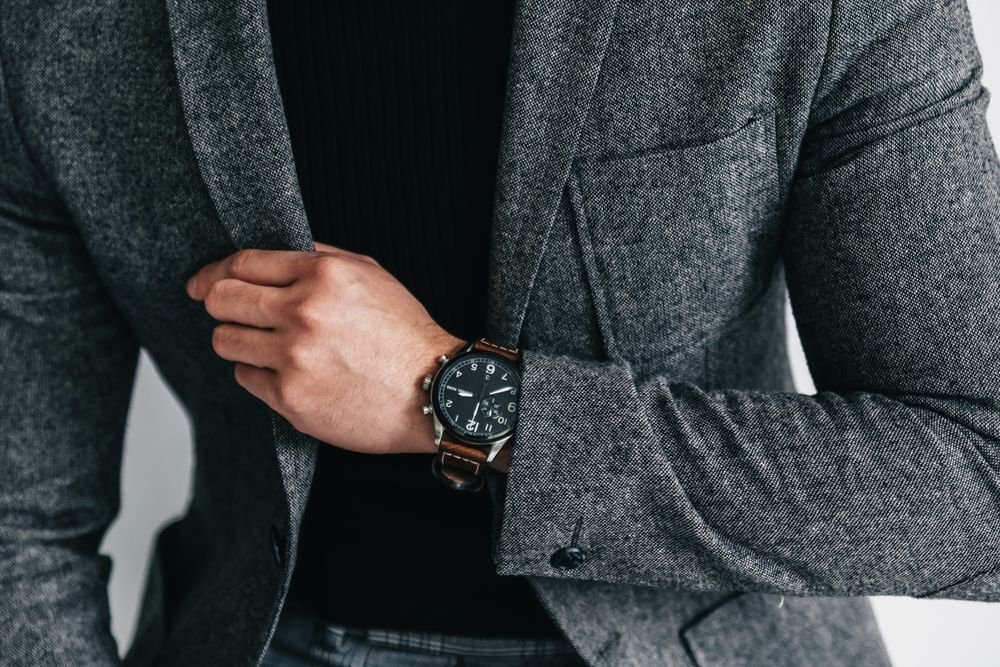
Do not judge fit by case diameter alone. Thickness, lug-to-lug length, bracelet articulation, and clasp micro-adjustment all affect whether a watch sits naturally. Two watches with the same stated width can wear very differently.
-
Compact cases and shorter lugs can help smaller wrists feel balanced.
-
Medium wrists often suit a wide range of classic proportions.
-
Larger wrists may suit wider cases, though excessive thickness can still feel cumbersome.
-
A properly fitted watch should not slide freely, pinch, or overhang the wrist.
During winter, wrist size can fluctuate slightly with temperature. An adjustable bracelet or comfortable strap can help maintain a secure fit throughout the day.
Compare Case and Strap Materials
Stainless steel is versatile, durable, and easy to pair with most clothing. Leather feels refined but is less suitable for repeated exposure to water, snow, and moisture. Rubber and fabric straps are practical for casual activities, while ceramic resists surface scratching but should still be protected from hard impacts.
Precious metals offer a distinctive look, although softer alloys can show wear more readily.
In colder weather, consider how the watch fits beneath winter clothing and how its materials respond to changing temperatures. A stainless steel bracelet may feel cold against the skin initially, while a leather strap can provide a softer feel beneath layered clothing.
For those who frequently move between freezing outdoor conditions and heated interiors, avoiding sudden temperature extremes can also help protect the watch.
Pick Features You Will Actually Use
Complications can be useful, but each additional function increases the complexity of the movement and potentially its servicing. A date window helps many people manage everyday schedules. A chronograph suits those who genuinely time events. A GMT display is valuable for regular travel or communication across time zones.
Water resistance is helpful for daily peace of mind, but it does not remove the need to follow the maker’s care guidance. Understanding common water-resistance markings can help buyers avoid treating a rating as permission to test a watch unnecessarily.
During winter, water resistance can be particularly relevant when encountering snow, rain, or melting ice. However, moisture protection should always be considered alongside the manufacturer’s recommendations.
Match the Watch to Your Luxury Wardrobe
Dial color, finishing, case shape, and strap selection determine how widely a watch can be worn. Neutral dials and clean designs are easy to dress up or down.
A slim leather-strap piece suits formal events, while a steel bracelet often works well with smart-casual clothing. A durable strap makes sense for relaxed weekends.
Comparing watch styles for different lifestyles can also clarify the distinction between dress, field, sports, and travel-oriented designs.
For a sophisticated winter wardrobe, consider how your watch complements tailored coats, cashmere sweaters, leather gloves, and business attire. Silver and platinum-tone finishes can create a refined appearance, while warm gold tones pair beautifully with rich seasonal colors.
The goal is to select a watch that enhances your personal style without overwhelming it.
Build a Realistic Ownership Budget
The purchase price is only part of ownership. Leave room for periodic servicing, insurance where appropriate, bracelet sizing, extra straps, repairs, and safe storage during travel.
Spending more does not automatically produce a better everyday fit. The better choice is the one you can comfortably wear, maintain, and enjoy.
For luxury watch buyers, long-term ownership costs should be part of the purchasing decision. A beautiful watch becomes more rewarding when its maintenance requirements align with your lifestyle and financial priorities.
Check Condition, Support, and Documentation
For new or pre-owned watches, inspect the case, crystal, bracelet, clasp, crown, and functions in even lighting.
Ask whether a pre-owned case has been polished or repaired, and confirm what warranty coverage applies.
Original papers, service records, included accessories, seller reputation, and a clear return policy all help you make a more informed decision.
For valuable luxury watches, professional authentication and documented service history may offer additional peace of mind.
Common Buying Mistakes to Avoid
-
Buying for a name rather than daily suitability.
-
Ignoring thickness and lug-to-lug measurements.
-
Choosing complications that will rarely be used.
-
Forgetting future service and insurance costs.
-
Assuming water resistance eliminates the need for care.
-
Overlooking how cold weather affects comfort and strap selection.
-
Rushing because a particular design is currently popular.
A Simple Pre-Purchase Checklist
-
Does it suit your usual work, travel, and weekend routine?
-
Is the movement appropriate for your preferred level of upkeep?
-
Does the case feel balanced for a full day of wear?
-
Will it work with most of your wardrobe?
-
Are its features genuinely useful?
-
Can you afford the full cost of ownership?
-
Are the condition, warranty, and service details clear?
-
Will the watch remain comfortable beneath winter clothing?
Conclusion: Finding Your Perfect Everyday Luxury Watch
The best luxury watch for daily wear in cold weather should feel natural rather than precious. Choose a piece that is easy to read, comfortable in changing temperatures, compatible with your clothing, and realistic to maintain.
A thoughtfully selected luxury watch can become much more than a practical timepiece. It can serve as a signature accessory, complement your personal style, and bring an element of sophistication to everyday life.
Whether you prefer a classic dress watch, a contemporary sports model, or an elegant design from an established luxury watchmaker, the most important consideration is how naturally it fits your lifestyle.
Ultimately, true luxury is about choosing quality, comfort, and enduring personal value.