

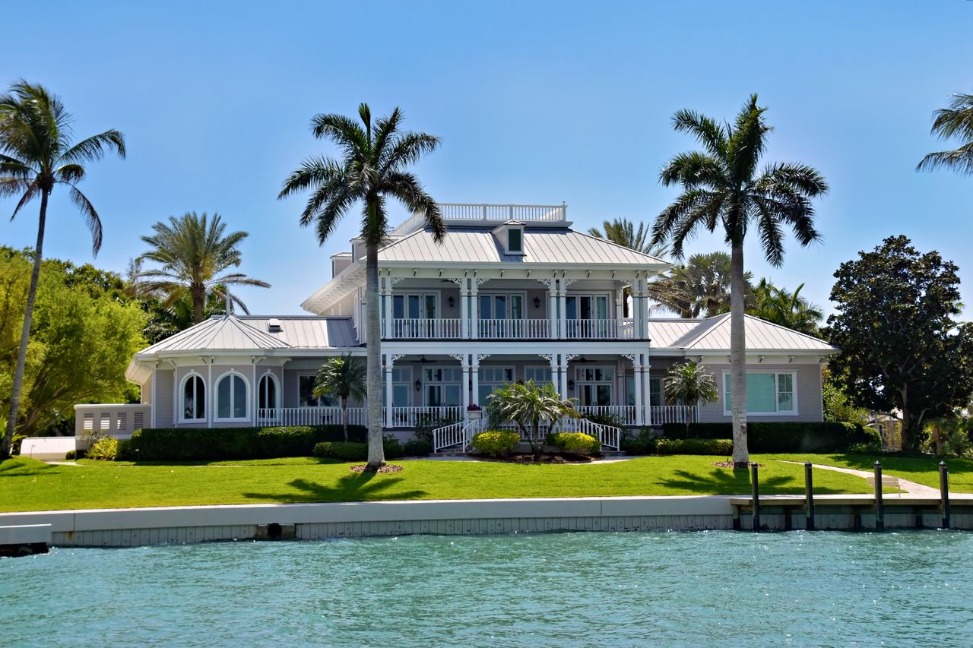
A luxury home should do more than impress at first glance. It should make everyday living feel beautiful, comfortable, and distinctly personal. Whether you are transforming an established residence or updating a home that no longer reflects your lifestyle, the most successful remodels combine architectural beauty with thoughtful function.
Today’s luxury remodeling is also becoming increasingly individualized. Beautiful natural stone, spa-inspired bathrooms, custom kitchens, architectural lighting, integrated technology, and bespoke finishes can transform an ordinary renovation into a home designed around the way you actually live.
The goal should not simply be to make everything newer or more expensive. Instead, create a cohesive home where materials, proportions, craftsmanship, and practical details work together. Recent high-end residential projects similarly emphasize personalization, craftsmanship, architectural character, and the integration of beauty with everyday function.
Here is our luxury guide to remodeling your dream home.
Key Takeaways
- Begin a luxury remodel with a clear vision for how you want the home to look, feel, and function.
- Invest in architectural features that create lasting visual impact rather than relying entirely on decorative trends.
- Natural materials such as marble, stone, and quality wood can introduce richness and individuality.
- Consider statement features such as marble stairs to turn functional architecture into a dramatic design element.
- Prioritize the kitchen, bathrooms, primary suite, and entertaining spaces because they influence everyday living.
- Approach bathroom remodeling as an opportunity to create a private, spa-inspired retreat.
- Layer architectural, ambient, and decorative lighting throughout the home.
- Incorporate technology discreetly so it improves convenience without dominating the interior design.
- Choose craftsmanship and personalization over simply selecting the most expensive materials.
- Create continuity throughout the residence so every room feels like part of the same luxury vision.
Start With Your Vision of Luxury
Before choosing marble, fixtures, furniture, or paint colors, decide what luxury means to you.
For one homeowner, the dream may be a contemporary residence filled with natural light and minimalist architecture. Another may prefer European-inspired interiors with decorative moldings, rich woods, dramatic stone, and glamorous chandeliers.
Others want a relaxed resort atmosphere where indoor and outdoor spaces flow together.
Your remodel should reflect your lifestyle rather than somebody else’s idea of luxury.
Consider how you entertain, cook, relax, work, exercise, and spend time with family. Then design spaces around those activities.
A beautiful home becomes truly luxurious when it feels as though it was created specifically for the people living there.
Create a Grand Entrance
The entrance establishes the personality of the entire residence.
A luxury foyer can incorporate beautiful stone flooring, custom millwork, an oversized chandelier, sculptural furniture, artwork, or dramatic architectural details.
However, scale matters.
A large foyer does not automatically feel luxurious. Thoughtful proportions, beautiful lighting, and carefully selected materials can make a smaller entrance equally impressive.
The objective is to create a sense of arrival.
Make Marble Stairs an Architectural Statement
A staircase is often one of the largest architectural features inside a multilevel home. Instead of treating it simply as a way to move between floors, make it part of the design.
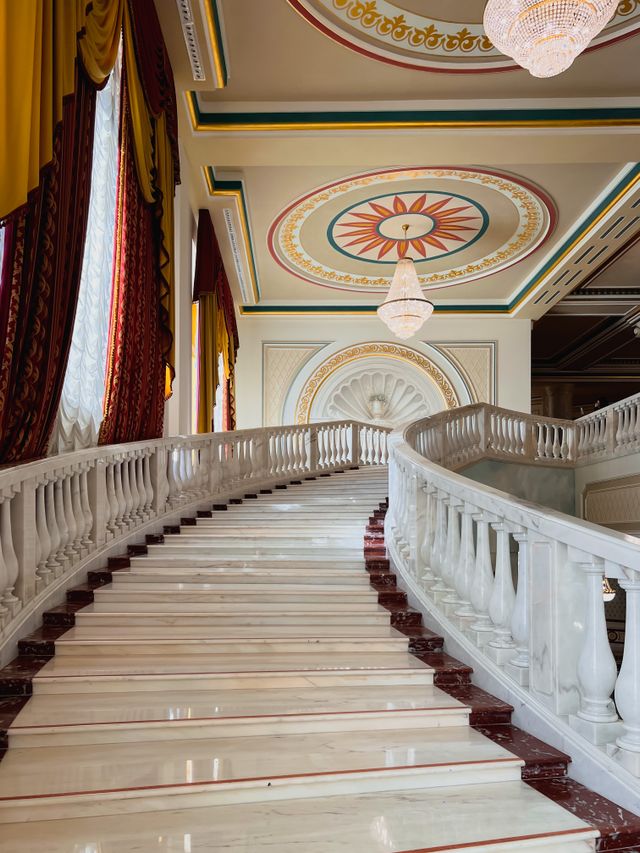
Beautiful marble stairs can introduce natural pattern, texture, and elegance into an entryway or central living space. Marble is available in numerous shades and patterns, making it possible to select stone that complements contemporary, traditional, Mediterranean, or European-inspired interiors. Euro Marble also notes that marble is durable enough for staircase traffic, although its relative slipperiness means tread design and slip-resistant treatments deserve consideration.
For a contemporary residence, consider marble steps paired with glass or streamlined metal railings. In a more traditional home, marble can work beautifully alongside decorative ironwork, warm wood, or sculptural balustrades.
The veining itself can become part of the architecture. Carefully planned stone placement can create movement as the staircase rises through the home.
Transform the Kitchen Into the Heart of the Home
A luxury kitchen should combine beauty with exceptional functionality.
Start with the layout. Generous preparation surfaces, intelligent storage, well-positioned appliances, and comfortable circulation are more important than decorative additions that serve little practical purpose.
Then elevate the materials.
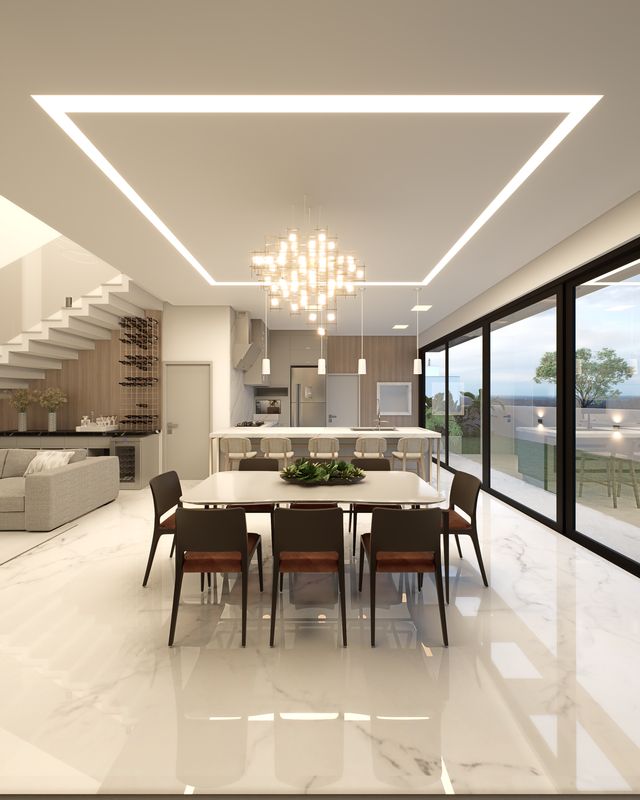
Natural stone countertops, custom cabinetry, statement lighting, premium hardware, and beautifully integrated appliances can create a sophisticated environment.
A substantial kitchen island can become the centerpiece. It provides space for food preparation, casual dining, conversation, and entertaining.
Consider creating specialized zones as well. A separate beverage station, concealed appliance area, walk-in pantry, wine storage, or secondary preparation space can keep the primary kitchen looking polished when entertaining.
Turn Bathroom Remodeling Into a Private Retreat
One of the most rewarding areas to upgrade is the primary bathroom.
Luxury bathroom remodeling can transform a purely functional room into a private wellness retreat. Depending on the space and homeowner’s needs, the project might incorporate a walk-in shower, updated bathtub, improved accessibility, better storage, new surfaces, or a complete redesign.
For a more luxurious atmosphere, think beyond individual fixtures.
Consider a freestanding soaking tub, generous shower, double vanity, beautiful mirrors, layered lighting, quality hardware, and elegant stone or tile. Natural light can make the space feel especially serene.
Recent luxury bathroom projects also demonstrate how stone, warm woods, plaster, brass, natural light, and indoor-outdoor connections can create a sophisticated retreat without making the room feel cold or overly formal.
The result should feel closer to a private spa than an ordinary bathroom.
Design a Primary Suite That Feels Like a Five-Star Hotel
The primary bedroom should provide a retreat from the rest of the residence.
Begin with comfort. A well-designed bedroom should feel peaceful, uncluttered, and removed from busy entertaining spaces.
Soft wall treatments, luxurious textiles, beautiful rugs, custom window treatments, upholstered furnishings, and warm lighting can create a more intimate environment.
Then consider the complete suite.
A dressing room or custom closet can turn getting dressed into an experience. Built-in cabinetry keeps belongings organized, while dedicated displays can showcase handbags, shoes, watches, jewelry, or accessories.
Connecting the bedroom, dressing area, and bathroom through a consistent palette can make the entire primary suite feel like a private luxury hotel.
Invest in Beautiful Flooring
Flooring visually connects the entire home.
Natural stone can create drama in entrances, kitchens, and bathrooms. Wide-plank wood introduces warmth to living areas and bedrooms. Large-format materials can make contemporary interiors feel more expansive.
The key is continuity.
Changing flooring dramatically from room to room can make a home feel fragmented. Instead, select a restrained family of materials and allow them to transition naturally throughout the residence.
Luxury often comes from consistency rather than excess.
Use Lighting Like Jewelry
Lighting can completely change the atmosphere of a room.
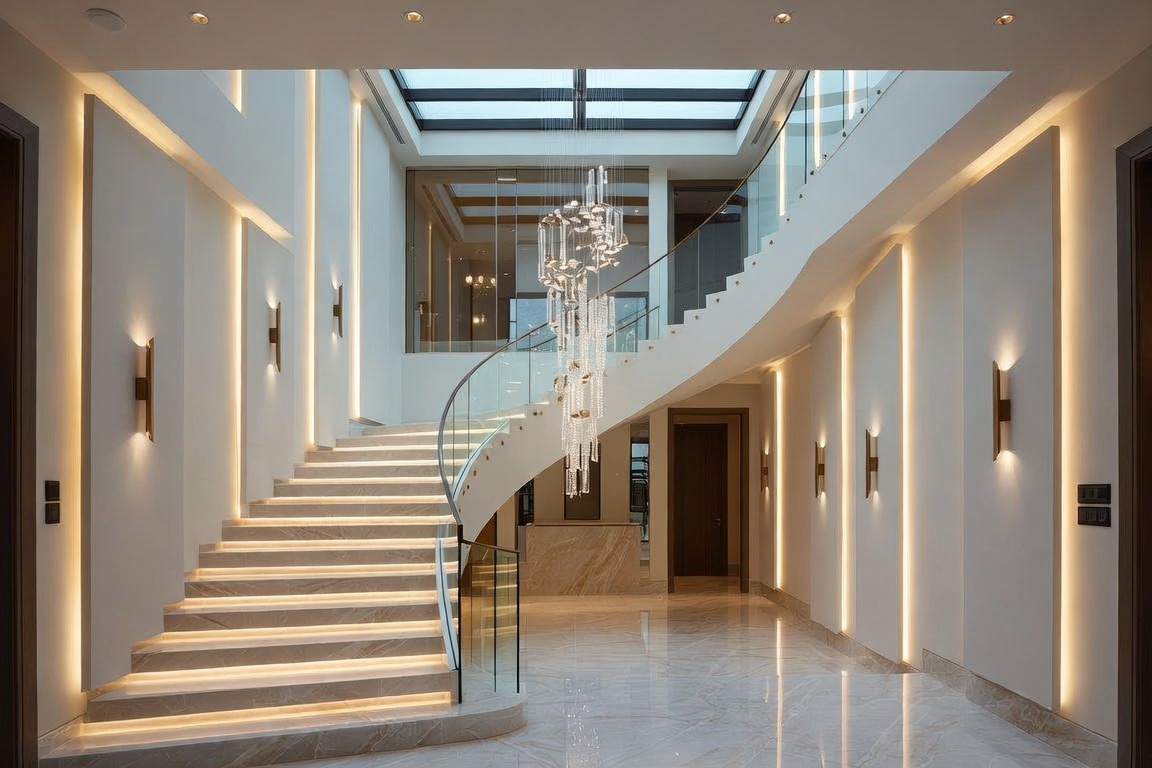
A dramatic chandelier above a staircase or dining table can function like jewelry for the home. Decorative sconces can introduce intimacy, while concealed architectural lighting creates depth.
However, the most successful lighting plans use layers.
Combine general illumination with task lighting, accent lighting, and decorative fixtures. Dimmer controls can then transform the same room from bright daytime functionality to sophisticated evening entertaining.
Natural light should also be considered part of the design. Enlarged windows, glass doors, skylights, and strategically positioned mirrors can help interiors feel brighter and more expansive.
Create Spaces for Entertaining
Luxury homes should support the way their owners socialize.
If you regularly entertain, consider how guests move from the entrance to living spaces, dining areas, terraces, and gardens.
A formal dining room may still be appropriate, but modern entertaining can also include relaxed spaces.
A beautifully designed bar, wine room, outdoor kitchen, fire lounge, screening room, or covered terrace can turn the residence into a destination.
The goal is not to add every possible amenity. Choose spaces you will actually use.
Connect Indoor and Outdoor Living
Outdoor living has become an important extension of the luxury home.
Large doors can connect interior entertaining areas with terraces, pools, gardens, and outdoor dining spaces. Using related materials inside and outside can strengthen that visual connection.
Consider creating distinct outdoor zones for dining, lounging, cooking, swimming, and entertaining.
Comfort matters here too. Shade, landscape lighting, outdoor heating, privacy planting, and comfortable furniture can extend the usefulness of exterior spaces.
The most successful outdoor areas feel like rooms without walls.
Prepare for Unexpected Storm Damage During Your Remodel
Even the most carefully planned luxury home remodel can face unexpected weather. Whether you are renovating an estate in Beverly Hills or a residence in Florida, a sudden rainstorm during construction can expose
vulnerable areas and, in some cases, cause roof damage.
If problems arise, arranging a professional storm damage roof inspection St. Petersburg can help homeowners assess potential damage and determine what repairs may be necessary. Planning for unexpected weather
and emergency repairs can help keep a remodeling project moving while protecting the home and its new finishes. Check local listings to fight the right professional if this happens to you.
Integrate Smart Technology Discreetly
Modern luxury increasingly includes convenience.
Lighting, climate control, security, entertainment, window treatments, and other household systems can be integrated into smart-home technology.
However, technology should support the design rather than visually dominate it.
Hide speakers when possible. Conceal wiring. Integrate televisions thoughtfully. Choose controls that are intuitive and unobtrusive.
True luxury technology should make the home easier to live in without constantly reminding you that it is there.
Create a Dedicated Wellness Space
Wellness is increasingly becoming part of residential luxury.
Depending on available space, homeowners may create a private gym, yoga room, sauna, meditation space, beauty room, or dedicated recovery area.
Even a smaller wellness zone can add value to everyday life.
A peaceful bathroom, beautifully organized dressing area, or quiet reading room can provide many of the same emotional benefits without requiring a large dedicated facility.
Think about what helps you relax and design around it.
Choose Materials for Beauty and Longevity
A dream home should still feel beautiful years after the remodel is complete.
That makes material selection especially important.
Natural stone, quality wood, well-made cabinetry, premium hardware, and thoughtfully selected fixtures can create visual richness while supporting daily use.
However, every material has practical considerations.
Marble, for example, offers natural variation and extraordinary beauty, but its finish, placement, maintenance, and slip resistance should be considered carefully for each application.
A knowledgeable designer, architect, contractor, or stone specialist can help balance aesthetics with practical performance.
Add Bespoke Details
Customization is one of the clearest distinctions between an ordinary renovation and a luxury remodel.
Custom millwork can transform walls into architectural features. Built-in cabinetry can solve unusual storage challenges. Bespoke furniture can perfectly fit difficult spaces.
Even small details matter.
Door hardware, stone edges, cabinetry profiles, lighting placement, upholstery, and decorative metalwork contribute to how finished the home feels.
Luxury is often found in the details most people cannot immediately identify but instinctively notice.
Avoid Designing Around Every Trend
Trends can provide inspiration, but your dream home should not feel dated as soon as the next design cycle arrives.
Use fashionable colors, fabrics, and accessories where they can easily be changed. For permanent architectural decisions, prioritize materials and proportions you genuinely love.
This does not mean a luxury home should be conservative.
Personality matters.
A dramatic marble staircase, sculptural chandelier, richly colored powder room, or striking piece of art can create memorable moments. The difference is that these choices should reflect your taste rather than exist solely because they are fashionable.
Remodel for the Way You Actually Live
The ultimate luxury is a home that works beautifully for your life.
If you rarely host formal dinners, an enormous dining room may not deserve priority. If you love fashion, invest in the dressing room. If wellness matters, create a spa-like bathroom or private fitness area.
Likewise, families may prioritize storage, durable surfaces, flexible living spaces, and outdoor entertaining.
Luxury and practicality are not opposites.
When thoughtful design makes everyday routines easier while surrounding you with beautiful materials and craftsmanship, the home becomes considerably more enjoyable.
Prepare for Unexpected Repairs & Emergencies
Even the most carefully planned luxury remodel can reveal unexpected problems once walls, flooring, or existing fixtures are removed. Hidden water damage, aging pipes, electrical issues, structural concerns, or a sudden
plumbing crisis can quickly affect both the schedule and budget, making it important to plan for emergency repairs and priority service before construction begins.
This is especially important during kitchen or bathroom renovations, where opening walls may expose plumbing problems that were impossible to see beforehand; understanding common plumbing considerations during
bathroom remodeling can help homeowners anticipate potential complications.
Keep a contingency fund within the remodeling budget and discuss emergency procedures with your contractor before work starts. A luxury renovation should account for the unexpected so necessary repairs can be handled
efficiently without compromising the overall design vision.
Conclusion
Remodeling your dream home is an opportunity to create something far more meaningful than a collection of beautiful rooms. It allows you to design an environment around your lifestyle, personal taste, and vision of luxury.
From dramatic marble stairs and spa-inspired bathroom remodeling to custom kitchens, primary suites, lighting, wellness spaces, and outdoor living, every decision should contribute to a cohesive experience.
Ultimately, the most luxurious home is not necessarily the one with the most expensive finishes. It is the one where architecture, craftsmanship, comfort, technology, and personal style work together effortlessly.
Create a home that welcomes you, inspires you, and makes everyday living feel extraordinary. That is what transforming a house into your dream home is truly about.