

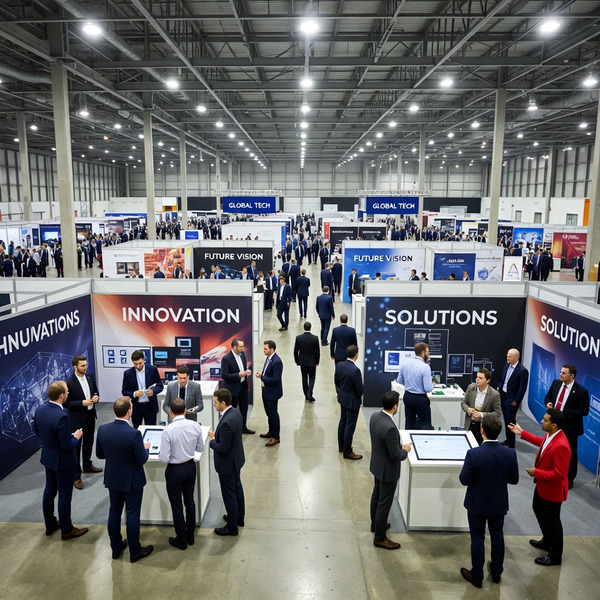
Trade shows remain an effective channel for lead generation, relationship-building, and brand positioning, particularly when one takes a pragmatic approach to return on investment. Portable and rental exhibit solutions have come a long way beyond simple booths, providing flexibility, scalability, and measurable performance value. Combined with intelligent design and rigorous implementation, such formats can compete with permanent constructions in effectiveness and keep costs down.
Now, as physical and virtual trade show exhibits become an increasingly important part of event strategies, attention has shifted to maximizing the overall lifecycle of participation, from initial setup decisions to final follow-up. The most effective approach to ROI means that everything in the show is calculated based on the contribution of each stage to the outcomes before, during, and after the event. These 5 ways to increase ROI with trade show exhibits will change the way you do business.
-
Choose the Right Exhibit Format for the Event Objective
Trade shows are not always purpose-driven, and ROI is enhanced when the exhibit format supports intent. Trade show rental booths provide a competitive edge in new markets, test messages, or allow you to attend expensive venues where logistics and storage will wipe out margins. Portable exhibits, on the other hand, allow repeat showings at various events, with branding used throughout and costs that can be anticipated.
Rental solutions can be adapted without committing to a long-term contract, and a brand can increase or decrease attendance based on audience size, booth location, and level of competition. The appropriate allocation of resources by matching the type of trade show exhibits with the objectives of the event, lead generation, brand awareness, partnerships, or product launches minimize waste but does not limit visual impact.
-
Optimize Setup Efficiency to Reduce Hidden Costs
The ROI is usually misplaced in the minor details of operation. Inefficient setups raise the costs of labor, slow preparations, and create the risk of damage. Portable and rental trade show exhibits are built with a simple installation process, yet returns increase with the standardization and repetition of setup processes.
The use of modular components, lightweight, and tool-free assembly decreases the need for specialized labor, and on-site troubleshooting is minimized. There are clear preparation plans and pre-event inspections to ensure that the exhibit is fully operational before the opening of doors. The setup time saved by faster will help reduce immediate costs and will give more time to prepare the team, create a common message, and plan engagement, which directly affects performance on the show floor.
-
Design for Engagement, Not Just Visibility
Exposure is interesting, and ROI is motivated. Portable and rental trade show exhibits are most effective when the layout allows interaction and not passive observation. Open lines of sight, natural flow, and areas for conversation, demonstration, or content viewing help transform foot traffic into meaningful interactions.
Permanent exhibit systems can be adjusted based on attendants’ behavior, making changes easier during the event. Interactive components (screens, product samples, live demonstrations, etc.) increase dwell time and enhance message recall. Intentional engagement will make leads better qualified and conversations more actionable, increasing the chances of post-event conversion.
-
Capture and Qualify Leads in Real Time
Valuable lead collection is only done in conjunction with immediate qualification. Mobile and traveling exhibits frequently incorporate digital technologies, making it easier to capture and label data. The process of scanning badges, making notes, and classifying the level of interest at the event enhances the accuracy and speed of follow-up.
On-site lead qualification also ensures that high-potential contacts receive priority consideration after the show. Teams can use clear criteria, i.e., role, budget authority, or project timeline, to unify their efforts in the area where ROI potential is optimal. Effective data capture minimizes the need to remember or type, which helps prevent momentum loss on the show floor.
-
Execute a Structured Post-Event Follow-Up Strategy
The last and most significant stage of ROI optimization begins after the exhibit is dismantled. The timeliness, relevance, and personalization of trade show leads are the factors that determine their success in driving business outcomes. This phase is facilitated by portable and rental trade show exhibits that allow a company to have consistent branding and messaging touchpoints.
Value propositions made during the event are reinforced through segmented follow-up campaigns based on levels of interest and types of interaction. Presenting customized content and arranging demos or next steps within days, not weeks, keeps engagement levels and the desire to proceed high. The ROI cycle is completed through post-event analysis of lead quality, conversion rates, and cost efficiency to make wiser decisions about future participation.
Increasing ROI by using portable and rental trade show exhibits should be approached holistically, beyond booth selection. Combined strategic formatting alignment, effective establishment, participation-centered design, disciplined lead capturing, and well-organized follow-up will change event involvement into quantifiable value. With all stages, such as preparation and follow-up, optimized with a purpose, portable and rental displays will be effective, versatile instruments for long-term trade show performance rather than short-lived costs.