

Key Takeaways
- Premium design is bringing luxury aesthetics into products used every day.
- Consumers increasingly value how products look, feel, and function.
- Technology is becoming more stylish, refined, and integrated into personal style.
- Premium materials, thoughtful shapes, and sophisticated finishes elevate ordinary products.
- Home appliances are increasingly designed to complement luxury interiors.
- Small details can create a surprisingly premium experience.
- Packaging and presentation influence how consumers perceive product value.
- Premiumization is spreading across technology, home, wellness, food, and lifestyle categories. (NIQ)
- Consumers are increasingly willing to pay more when a product clearly justifies its premium. (NIQ)
- Modern luxury is increasingly about exceptional design, usefulness, quality, and everyday experience.
Luxury is no longer limited to extravagant purchases or prestigious brands. Today, premium design is transforming the everyday products people use, carry, and display. From sophisticated technology to beautifully crafted home appliances, thoughtful design adds a sense of luxury to ordinary routines. As consumers seek greater quality, functionality, and beauty, premium design is becoming an important part of modern luxury living.
Luxury premium design used to be relatively easy to identify. Designer handbags, Swiss watches, sports cars, and fine jewelry occupied a world far removed from ordinary consumer purchases. Today, the boundaries are considerably less obvious.
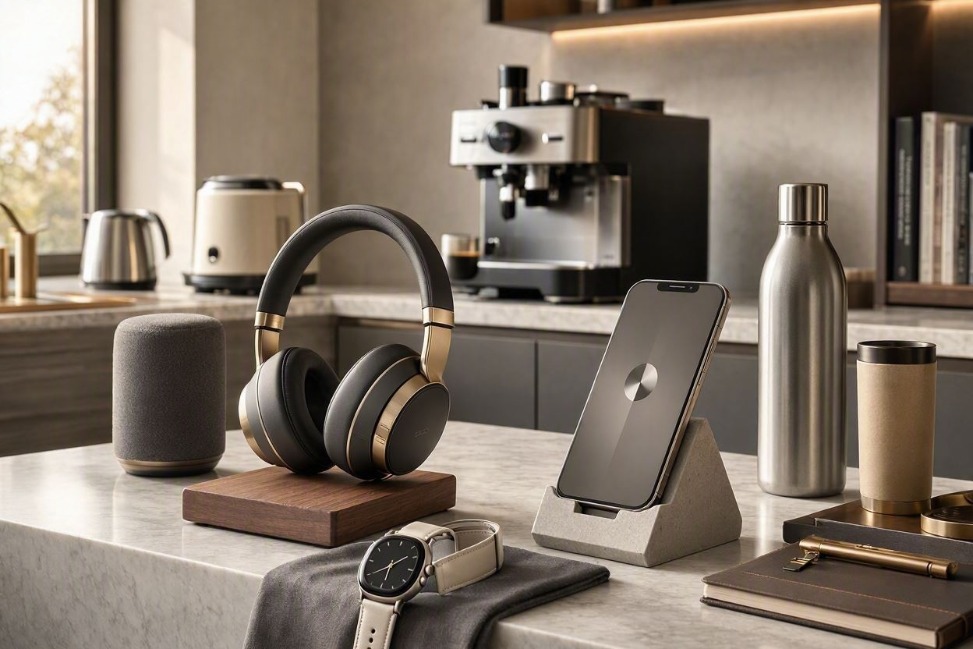
Premium design has moved into products people use every day. From headphones and coffee machines to water bottles and personal accessories, manufacturers increasingly understand that consumers can care as much about how an object looks and feels as what it actually does. Continue reading to find out more.
Everyday Technology Is Becoming More Refined
Consumer technology provides one of the clearest examples of this shift. Headphones are no longer simply functional pieces of audio equipment. Many are designed to complement an outfit, with carefully considered shapes, materials, and finishes. The same applies to smartwatches, speakers, and even chargers. Products that might once have been hidden away are now designed to sit prominently in a home or become part of someone’s personal style. Good design has become a feature rather than decoration added at the end of development.
Presentation Matters Beyond Fashion
This premium approach has spread well beyond conventional technology. Consider the enormous market for reusable water bottles and travel cups. These are fundamentally simple objects, yet differences in materials, shape, insulation, and branding can turn them into desirable lifestyle products.
A similar pattern can be seen across products intended exclusively for adults. Modern vaping, for example, includes compact devices and extensive flavor ranges, while specialist retailers offer products such as vape liquids alongside increasingly design-conscious hardware. That doesn’t make the underlying product luxurious by definition. Instead, it demonstrates how presentation and product design now influence categories that were traditionally dominated by function.
The Home Is Part of the Trend
Premiumization is particularly noticeable around the home. Coffee machines are a good example. A basic machine can perform the essential task perfectly well, but premium models often place greater emphasis on materials, controls, and appearance. Manufacturers know these appliances may remain permanently visible on a kitchen counter.
Speakers, air purifiers, lamps, and kitchen appliances are receiving similar treatment. Instead of asking consumers to tolerate an unattractive device because it serves a useful purpose, brands increasingly try to make the product part of the interior.
Small Details Can Create a Premium Feel
Premium design doesn’t necessarily require precious materials or elaborate decoration. Often, restraint is more effective. A satisfying button, neatly concealed charging port, carefully weighted lid, or uncluttered interface can change the way a product feels in everyday use.
Packaging also contributes to that impression, particularly when it is easy to open and avoids unnecessary components. These details help explain why two products performing essentially the same function can create very different impressions.
Consumers Expect More From Ordinary Objects
The wider change is ultimately about expectations. People interact with certain products every day, sometimes dozens of times, so it makes sense that design has become increasingly important. Luxury is no longer confined to objects reserved for special occasions. It can also be found in the thought given to an ordinary item, from the material used to make it to the way it fits into someone’s home or routine.
As premium design continues moving into new categories, the distinction between functional object and lifestyle product is likely to become even less clear. Sometimes the greatest luxury isn’t owning extravagant products. It’s discovering that an everyday object has been designed exceptionally well.