
European luxury fashion has shaped the way the world defines elegance, craftsmanship, and personal style for generations. From the couture houses of Paris to the leather artisans of Italy, Europe remains at the heart of the global luxury industry.
Today, European fashion influences designers, celebrities, consumers, and emerging markets across the world. Its heritage continues to inspire modern trends while defining what many consider true luxury.
Europe Remains the Heart of Luxury Fashion
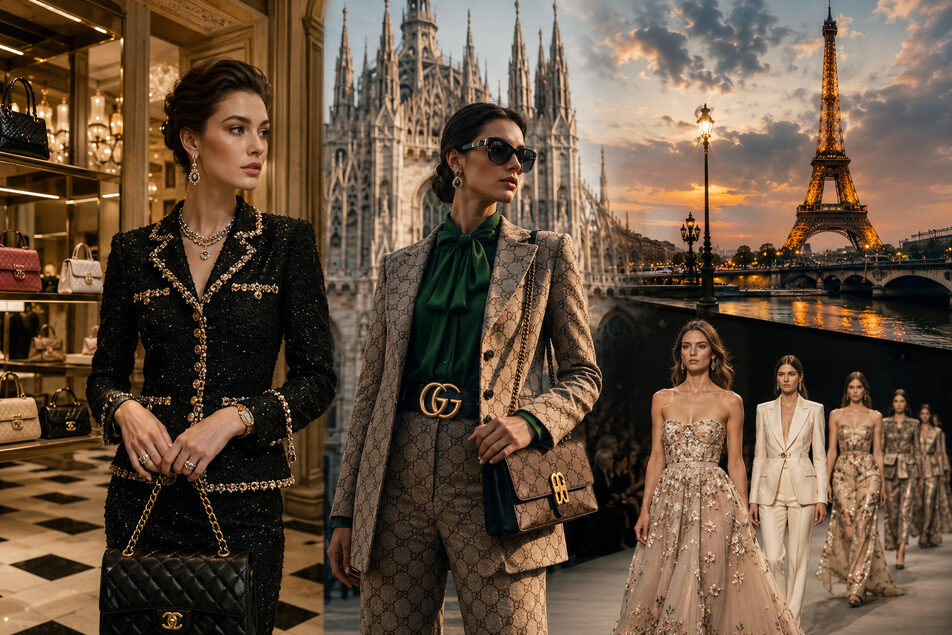
European cities have long served as global fashion capitals. Paris, Milan, London, and other influential destinations continue to shape international style.
Paris represents haute couture, artistic expression, and timeless sophistication. Meanwhile, Milan is celebrated for exceptional tailoring, luxurious textiles, and Italian craftsmanship.
London brings creativity, individuality, and innovative design to luxury fashion. Together, these cities influence the collections that eventually shape wardrobes around the world.
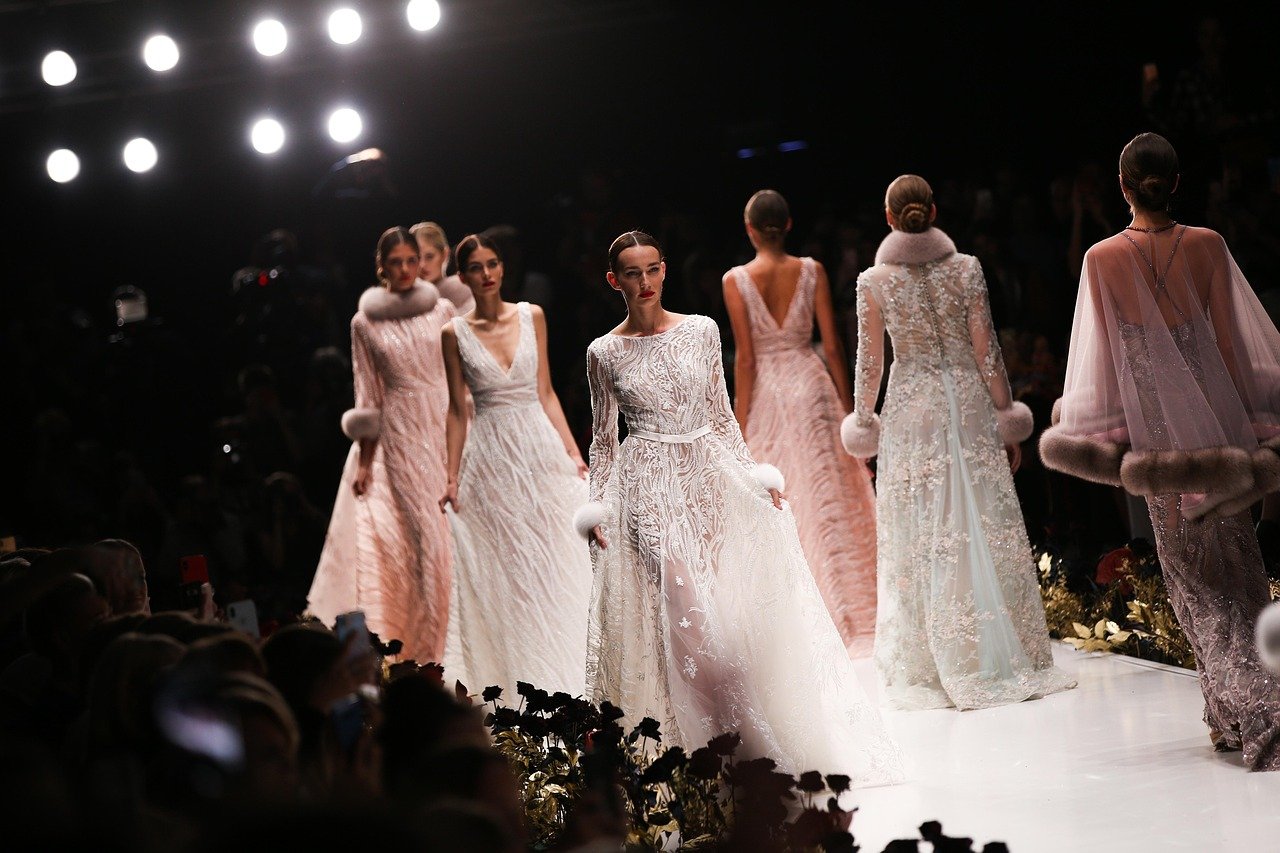
Fashion weeks, designer presentations, and luxury events continue to attract international attention. As a result, European fashion trends often influence global consumer preferences.
The Power of Heritage and Craftsmanship
One reason European luxury fashion remains influential is its deep connection to heritage. Many prestigious fashion houses have spent decades building their reputations.
Their stories often include generations of skilled artisans, innovative designers, and exceptional craftsmanship.
Italian leatherworkers, French ateliers, and European textile makers continue to preserve traditional techniques. At the same time, they adapt those skills for modern consumers.
This balance between tradition and innovation remains one of Europe’s greatest strengths.
Luxury consumers increasingly want products with meaning and authenticity. Therefore, craftsmanship has become more valuable than ever.
A beautifully made handbag, tailored jacket, or handcrafted shoe represents more than fashion. It represents artistry, skill, history, and cultural identity.
European Fashion Defines Global Luxury Trends
European designers have introduced countless trends that later reached audiences worldwide. Runway collections often inspire ready-to-wear fashion, celebrity styling, and everyday wardrobes.
Luxury brands also influence color palettes, silhouettes, fabrics, and accessories each season.
Today, social media allows trends to travel faster than ever before. A collection presented in Paris can inspire fashion lovers worldwide within minutes.
As a result, European fashion houses now influence consumers across continents instantly.
However, global audiences also influence European fashion. Designers increasingly consider diverse cultures, markets, and lifestyles when creating new collections.
This exchange has created a more connected and dynamic luxury fashion industry.
The Influence of European Fashion Houses
European fashion houses remain some of the most recognizable names in luxury. Their influence extends far beyond clothing.
Many luxury brands now offer handbags, shoes, jewelry, fragrances, beauty products, home collections, and lifestyle experiences.
This expansion has allowed European luxury to become part of everyday life for consumers worldwide.
A signature handbag or fragrance can create a connection with a prestigious fashion house. Therefore, luxury brands can reach consumers at different price levels.
At the same time, exclusive couture collections preserve the rarity and prestige associated with high fashion.
This combination of accessibility and exclusivity has helped European luxury maintain its global appeal.
Celebrity Culture Expands European Luxury
Celebrity culture has also strengthened the global influence of European luxury fashion.
Actors, musicians, athletes, and influential public figures frequently wear European designers at major events.
Red carpets, fashion campaigns, and international appearances introduce luxury collections to millions of viewers.
Additionally, social media has transformed celebrities into powerful fashion influencers.
A single appearance wearing a memorable European design can inspire global demand.
Luxury fashion houses increasingly collaborate with celebrities, artists, and cultural figures. These partnerships help heritage brands connect with younger audiences.
Consequently, European luxury continues to evolve while maintaining its historic identity.
European Luxury Meets Modern Innovation
The future of European luxury fashion depends on innovation.
Today’s consumers expect luxury brands to embrace technology, sustainability, and personalization.
Digital fashion shows, virtual experiences, and artificial intelligence are changing how consumers discover luxury.
Meanwhile, customization allows shoppers to create products that feel more personal and exclusive.
Luxury fashion houses are also exploring new materials and responsible production methods.
These developments allow European brands to address changing consumer expectations.
However, innovation must complement craftsmanship rather than replace it.
The most successful luxury brands understand the value of combining traditional artistry with modern technology.
Sustainability Is Reshaping European Luxury Fashion
Sustainability is becoming an important part of the luxury conversation.
Consumers increasingly want to understand how products are made and where materials come from.
European fashion houses are responding through responsible sourcing, improved production practices, and greater transparency.
Luxury also naturally encourages a longer approach to fashion.
A high-quality coat, handbag, or pair of shoes can remain stylish for years.
Therefore, investment pieces often offer an alternative to disposable fashion.
Additionally, vintage and pre-owned luxury fashion continue to grow in popularity.
Consumers are discovering the beauty and value of iconic pieces from previous decades.
This movement gives luxury fashion a new life while celebrating its history.
European Luxury Inspires a New Generation
The influence of European luxury fashion continues to reach younger generations.
Through social media, fashion education, and global travel, consumers now have greater access to luxury culture.
Young designers also draw inspiration from European craftsmanship while adding their own perspectives.
As a result, luxury fashion continues to become more diverse and creative.
The next generation values authenticity, individuality, and meaningful experiences.
European luxury brands must continue evolving to meet those expectations.
However, their greatest advantage remains their connection to history, artistry, and exceptional design.
The Future of European Luxury Fashion
European luxury fashion will continue shaping the global industry for years to come.
Its influence comes from more than famous fashion houses and recognizable logos.
True European luxury represents craftsmanship, creativity, heritage, and innovation.
As fashion becomes increasingly global, European designers will continue inspiring new ideas and setting international standards.
At the same time, they will evolve alongside changing consumer expectations.
Ultimately, the global influence of European luxury fashion remains powerful because it understands the importance of both the past and the future.
From the ateliers of Paris like Chanel, to the workshops of Italy, European fashion continues to define what luxury means to the world.
Its legacy remains timeless, while its influence continues to inspire generations of fashion lovers everywhere.