

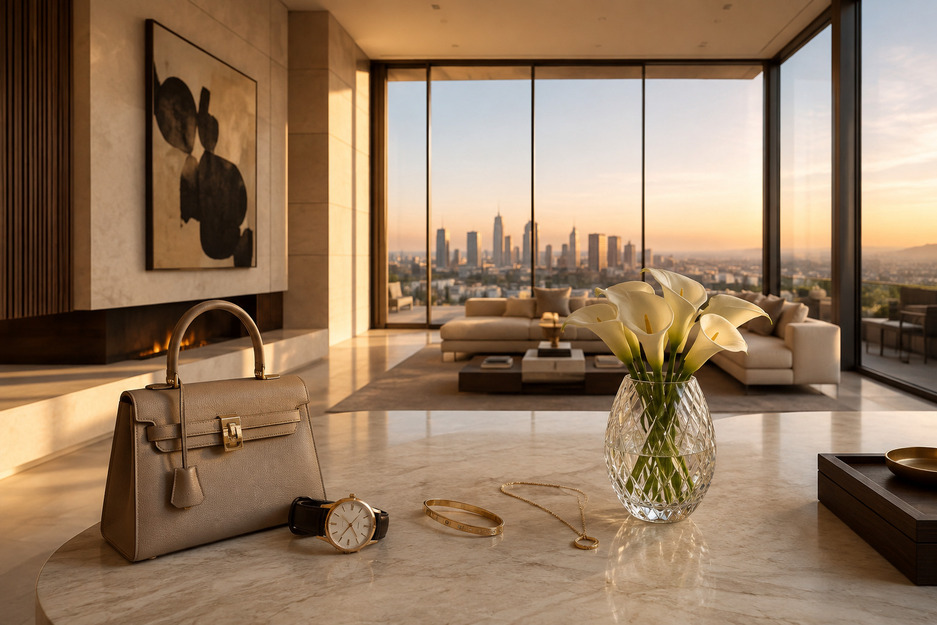
Luxury has traditionally been associated with abundance. Grand interiors, statement fashion, impressive automobiles, and elaborate details have long communicated wealth and status. Yet a different definition of luxury is gaining influence. Today, luxury minimalism is reshaping how sophisticated consumers approach fashion, interiors, travel, beauty, and everyday living.
Instead of asking how much can be added, the modern luxury consumer is increasingly asking what can be removed.
The result is a more intentional approach to luxury. Quality takes precedence over quantity. Craftsmanship becomes more important than logos. And beautifully considered spaces replace excessive decoration.
What Is Luxury Minimalism?
Luxury minimalism combines the simplicity of minimalist design with the exceptional quality associated with luxury. It does not mean living without beautiful things. Instead, it means choosing fewer things and choosing them exceptionally well.
A minimalist luxury wardrobe might contain beautifully tailored pieces made from premium fabrics. A luxury residence might feature natural materials, sophisticated lighting, and carefully selected furnishings rather than excessive decoration.
The philosophy is simple: less, but better.
Why Consumers Are Embracing Understated Luxury
One reason luxury minimalism is gaining momentum is the changing perception of status. Visible logos and overt displays of wealth are no longer the only ways consumers communicate success.
Increasingly, sophistication can be expressed through discretion.
A beautifully made cashmere coat may communicate more to a knowledgeable fashion enthusiast than a heavily branded garment. Likewise, an elegantly designed home may feel more luxurious because of its proportions, materials, craftsmanship, and serenity.
This shift has contributed to the continued conversation around “quiet luxury,” which emphasizes quality, restraint, and understated elegance.
Quality Becomes the Ultimate Luxury
When consumers buy fewer items, they can become more selective about what they purchase. That creates greater appreciation for craftsmanship. Fine leather. Hand-finished jewelry. Exceptional fabrics. Bespoke tailoring. Natural stone. Artisan furniture. Handcrafted accessories. These details may not always be immediately obvious.
However, they create an experience that becomes apparent through touch, use, durability, and time.
Luxury minimalism therefore places craftsmanship at the center of the luxury experience.
The Rise of the Refined Wardrobe
Modern fashion provides one of the clearest examples of minimalist luxury. Instead of constantly chasing seasonal trends, sophisticated wardrobes are increasingly built around versatile pieces that can be worn repeatedly.
A beautifully tailored blazer can transition from business meetings to evening occasions. A well-made leather handbag can complement multiple looks.
A cashmere sweater can become a foundational piece rather than a seasonal novelty.
This approach encourages consumers to think about cost per wear, versatility, quality, and personal style.
The goal is not to own less simply for the sake of owning less.
The goal is to own better.
Neutral Colors Create a Sophisticated Foundation
Luxury minimalism frequently relies on a restrained color palette. Cream, ivory, camel, taupe, black, white, gray, navy, and chocolate brown can create an elegant foundation for a wardrobe or interior. These colors allow craftsmanship and materials to take center stage. A beautifully constructed leather handbag does not necessarily need a dramatic color.
A luxurious marble surface does not need elaborate ornamentation.
A perfectly tailored neutral suit can communicate sophistication through its silhouette alone.
The restraint becomes part of the aesthetic.
Minimalist Interiors Are Redefining Luxury Homes
Luxury minimalism is also transforming residential design. Modern luxury interiors increasingly emphasize natural light, open space, architectural detail, tactile materials, and carefully selected furnishings.
Instead of filling every room with decorative objects, designers may allow a single sculpture, artwork, or statement furniture piece to become the focal point.
This creates visual calm. Natural stone, wood, linen, leather, glass, and metal can provide texture without overwhelming a space.
The result is an environment that feels sophisticated without appearing overly decorated.
The Beauty of Negative Space
One of the most powerful elements of minimalist luxury is negative space. Empty space allows important design elements to breathe. A dramatic piece of artwork can become more impactful when it is not surrounded by dozens of competing objects.
Likewise, a sculptural chair can become a design statement when placed within an uncluttered room.
In luxury interiors, restraint can therefore create greater visual impact than excess.
Luxury Is Becoming More Personal
Another reason luxury minimalism resonates with modern consumers is personalization. When a person owns fewer objects, each one can have greater meaning. A handcrafted watch might commemorate an achievement.
A piece of jewelry might represent a family connection. A bespoke suit might be designed around an individual’s proportions and personality.
A piece of art might have been collected during an important chapter of life.
Minimalism does not eliminate personal expression.
It can make personal expression more powerful.
The Appeal of Timeless Design
Trends move quickly. Exceptional design does not have to. Luxury minimalism favors silhouettes, materials, and objects that can remain relevant for years. This is particularly appealing to consumers who are becoming more conscious of consumption.
Rather than constantly replacing possessions, they can invest in pieces they genuinely love.
That creates a stronger connection between luxury and longevity.
Understated Luxury in Jewelry
Jewelry is also embracing a more refined approach.
Delicate gold chains, sculptural earrings, understated diamond pieces, elegant watches, and beautifully designed rings can create impact without excessive ornamentation.
The appeal lies in proportion and craftsmanship.
A single exceptional piece can often create a more sophisticated effect than wearing numerous competing accessories.
For collectors, however, minimalism does not necessarily mean simplicity.
A seemingly understated piece may contain extraordinary craftsmanship, rare materials, or a highly complicated design.
The luxury is simply expressed more discreetly.
The New Meaning of Luxury Beauty
Beauty is another category where minimalism continues to influence luxury consumers.
A polished appearance does not necessarily require an elaborate routine.
Instead, the emphasis can be on high-quality skincare, healthy-looking skin, refined grooming, and products selected specifically for individual needs.
The philosophy is similar to minimalist fashion.
Invest in fewer products that perform exceptionally well.
This creates a more intentional beauty routine while reducing unnecessary consumption.
Luxury Travel Is Becoming More Intentional
Luxury minimalism extends beyond possessions.
It can also influence how people travel.
Instead of planning an itinerary packed with activities, sophisticated travelers may choose fewer destinations and spend more time experiencing each one.
A private villa, exceptional boutique hotel, wellness retreat, or carefully curated cultural experience can become the centerpiece of a journey.
The emphasis shifts from checking destinations off a list to creating meaningful experiences.
In this sense, minimalism becomes a luxury of time.
The Luxury of Having Time
Perhaps the greatest expression of modern luxury is having control over your time.
Luxury minimalism reflects this idea.
A less cluttered home can require less maintenance.
A refined wardrobe can make dressing easier.
A carefully planned itinerary can eliminate unnecessary rushing.
A smaller collection of meaningful possessions can reduce the pressure to constantly acquire more.
The reward is not simply a cleaner aesthetic.
It is greater freedom.
Why Luxury Minimalism Feels Modern
The popularity of luxury minimalism reflects a broader cultural shift.
Consumers are increasingly exposed to enormous amounts of information, advertising, social content, and consumer choices.
Against that backdrop, simplicity can feel refreshing.
A beautifully designed room offers visual calm.
A refined wardrobe reduces decision fatigue.
A handcrafted object provides a connection to something tangible.
A quiet luxury experience can feel more personal than a highly commercialized one.
Minimalism therefore offers something that excessive luxury cannot always provide: peace.
Minimalism Does Not Mean Boring
One common misconception is that minimalist design must be cold or uninspiring.
Luxury minimalism proves otherwise.
Warm woods, textured fabrics, sculptural furniture, dramatic artwork, rich leather, natural stone, and sophisticated lighting can create extraordinary visual depth.
The difference is editing.
Every element has a purpose.
Instead of competing for attention, individual pieces work together.
This is what allows minimalist luxury to feel warm, sophisticated, and deeply personal.
The Future of Luxury Is More Intentional
Luxury minimalism is ultimately about changing the way we define abundance.
The modern luxury consumer may still appreciate beautiful homes, exceptional fashion, fine jewelry, extraordinary automobiles, and unforgettable travel.
The difference is that those experiences are becoming more intentional.
Luxury is increasingly about choosing quality over quantity, craftsmanship over excess, and meaning over novelty.
That does not make luxury less desirable.
It makes it more discerning.
In a world filled with constant visual noise, restraint can become its own form of sophistication.
And perhaps that is why luxury minimalism is trending.
Because true luxury does not always need to announce itself. Sometimes, the most luxurious statement is simply knowing what is worth keeping.