

Luxury handbags have evolved far beyond their practical purpose. The most celebrated designs have become recognizable symbols of craftsmanship, fashion heritage, and personal style. Some have been carried by royalty and Hollywood icons, while others have earned a place in fashion history through distinctive silhouettes and exceptional construction.
Hermès Birkin
Hermès Kelly
Chanel 2.55
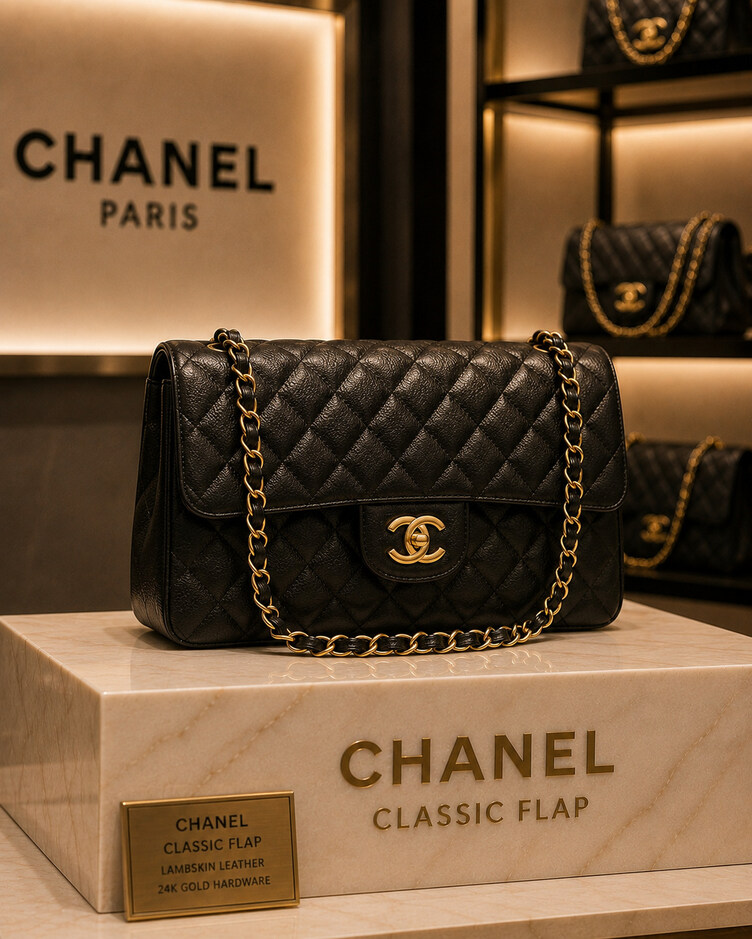
Chanel Classic Flap
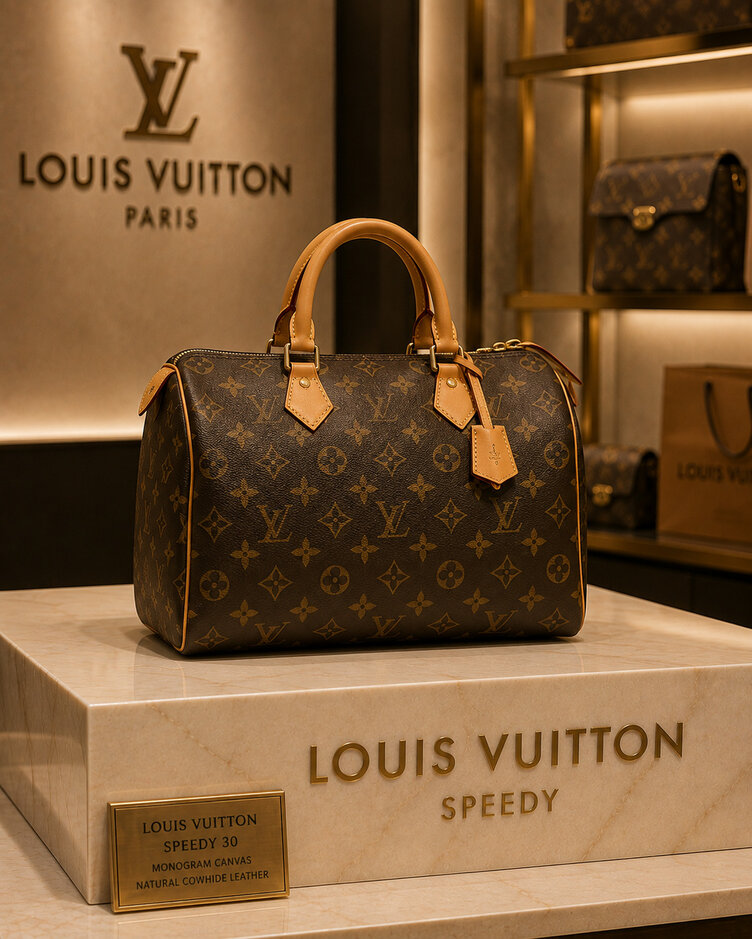
Louis Vuitton Speedy
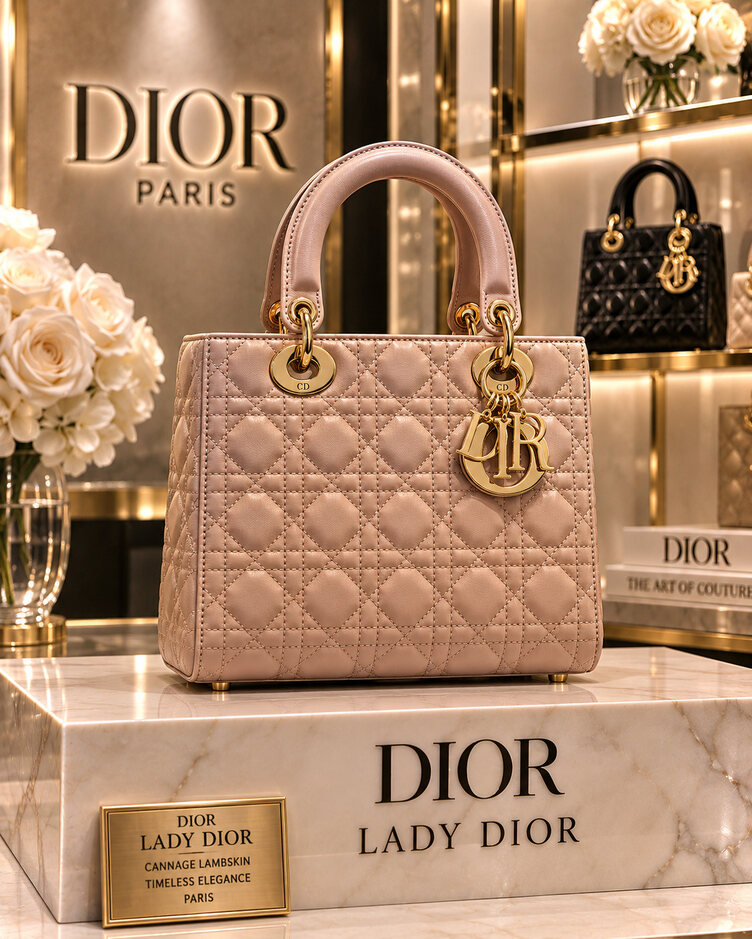
Dior Lady Dior
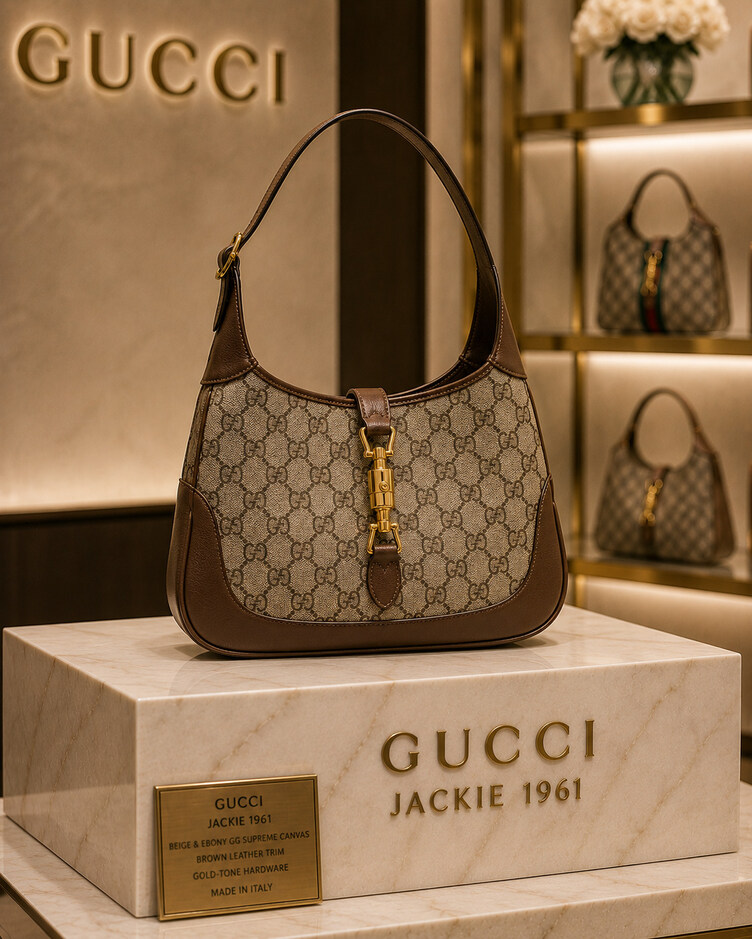
Gucci Jackie 1961
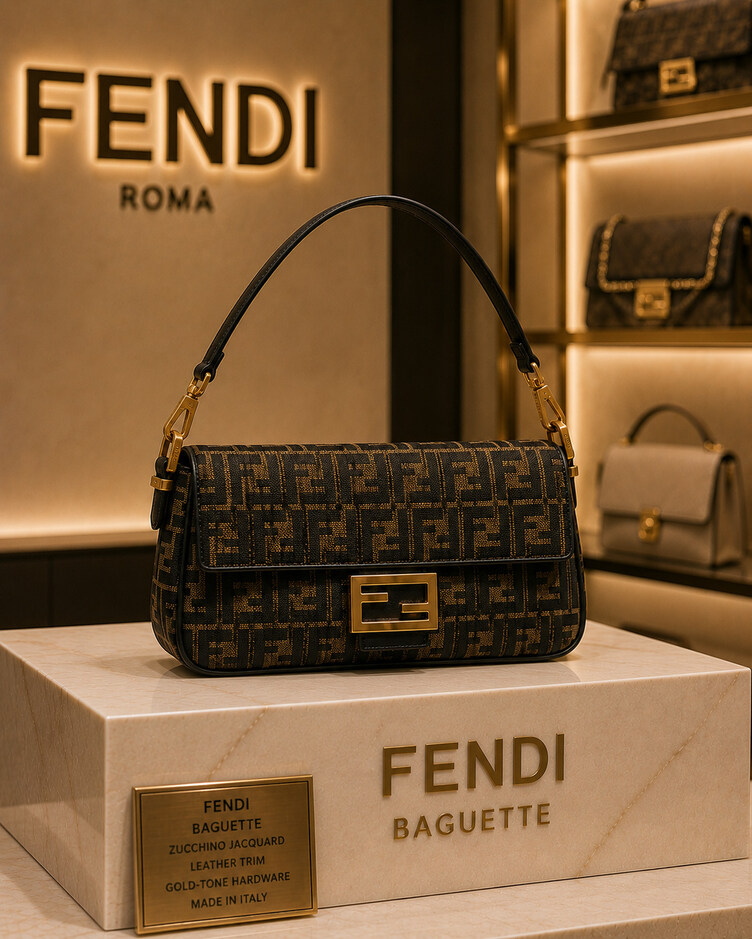
Fendi Baguette
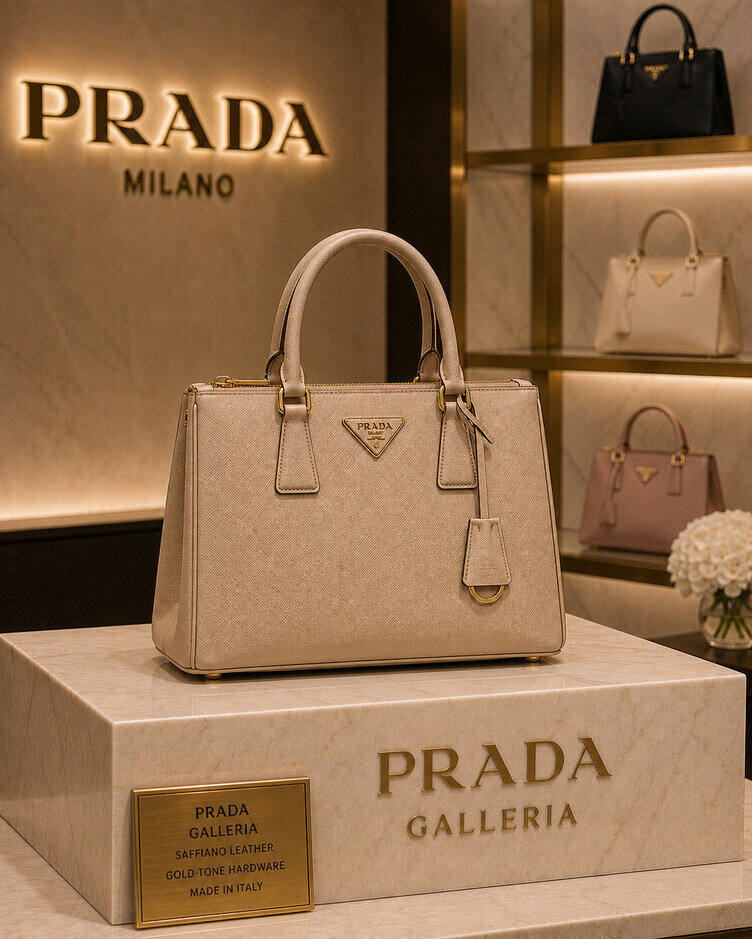
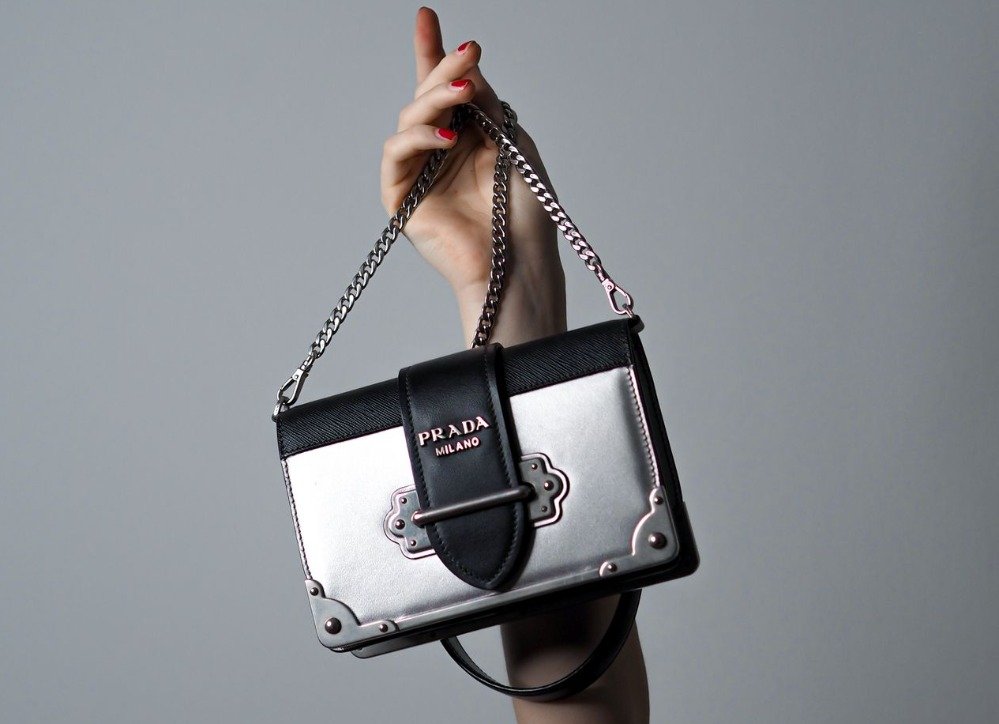
Prada Galleria
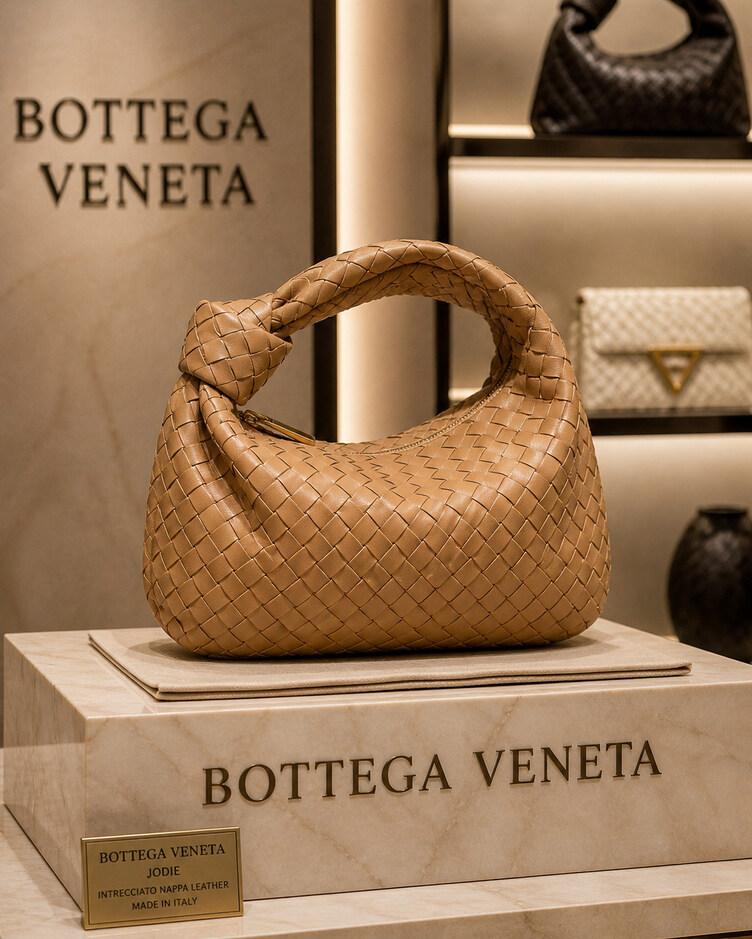
Bottega Veneta Jodie
From the Hermès Birkin and Kelly to the Chanel 2.55, Lady Dior, and Louis Vuitton Speedy, certain handbags continue to command attention decades after their introductions. Their appeal comes from more than exclusivity. These designs have developed stories, cultural associations, and recognizable signatures that continue to influence luxury fashion today.
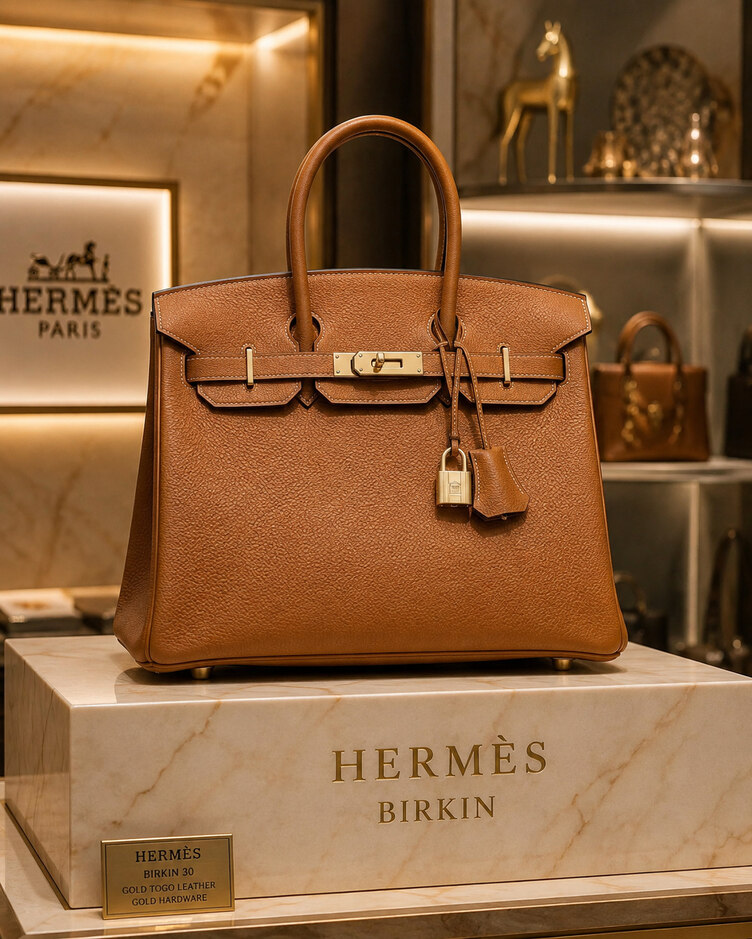
Hermès Birkin
Few handbags represent modern luxury quite like the Hermès Birkin. Introduced in 1984 and named after actress and singer Jane Birkin, the design was created as an elegant yet practical carryall. Its structured construction, distinctive hardware, and meticulous craftsmanship helped transform it into one of the world’s most coveted handbags.
The Birkin’s appeal also comes from its sense of exclusivity. Different sizes, leathers, colors, and exotic materials have made individual examples highly distinctive. For collectors, the handbag can function as both a fashion statement and a piece of luxury craftsmanship with considerable cultural significance.
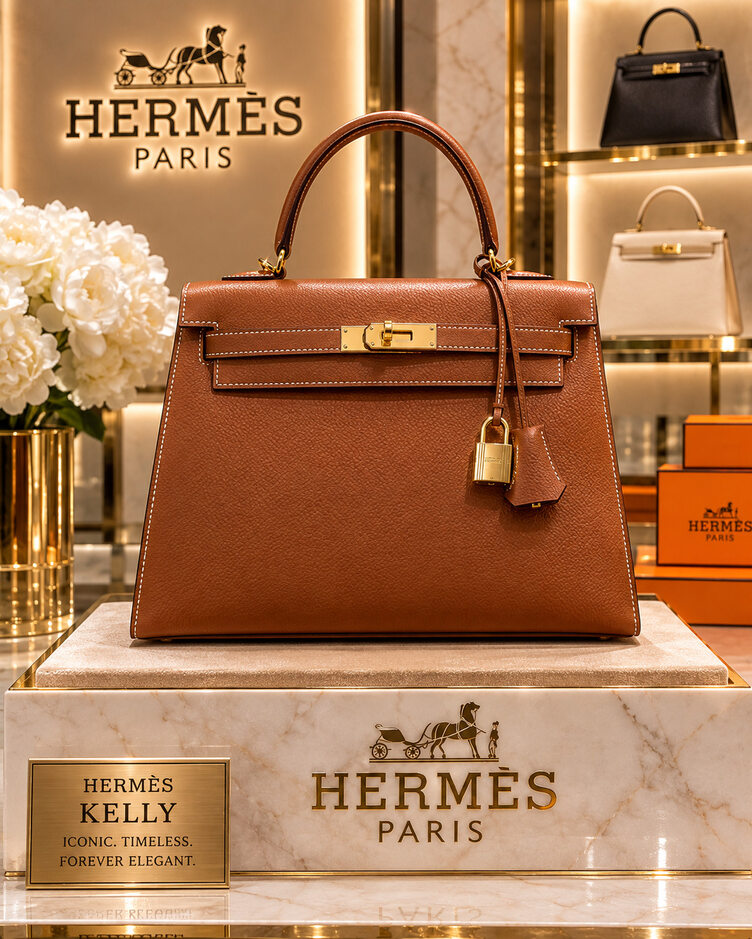
Hermès Kelly
The Hermès Kelly has an equally remarkable place in fashion history. Originally introduced as the Sac à Dépêches, the design became associated with Grace Kelly after the actress and Princess of Monaco was photographed carrying it. The house subsequently renamed the handbag in her honor.
Its structured silhouette creates a particularly polished aesthetic. The top handle, distinctive closure, and elegant proportions make the Kelly ideal for formal occasions, while contemporary versions allow it to transition into modern wardrobes. Its connection to Grace Kelly also gives the design an enduring association with refined glamour.
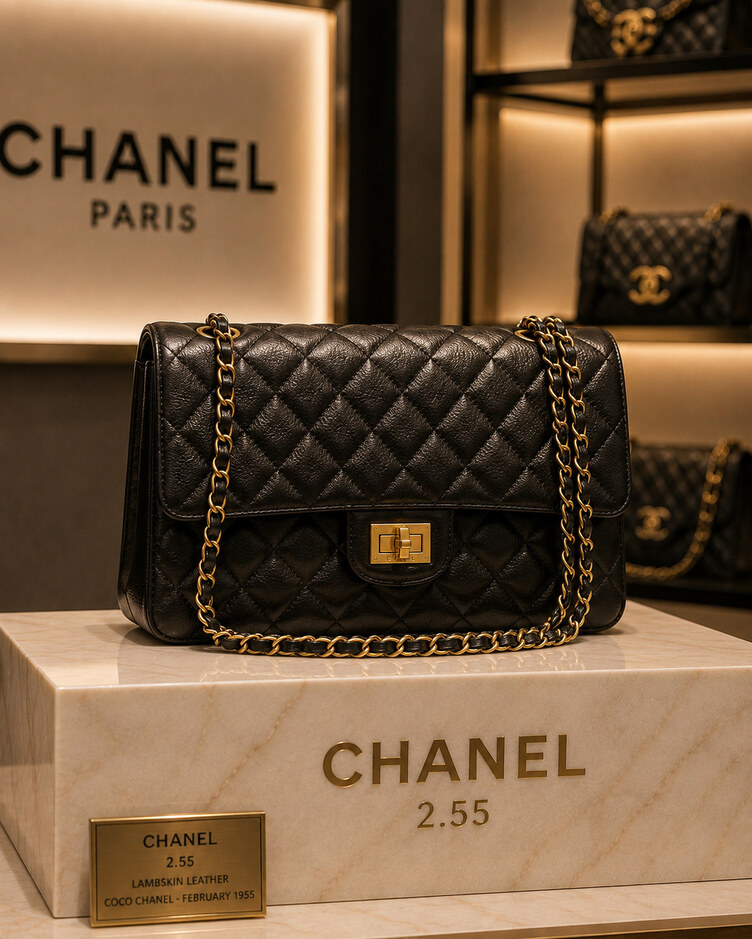
Chanel 2.55
The Chanel 2.55 changed the way women carried luxury handbags. Introduced in February 1955, the design featured a shoulder chain that offered greater freedom of movement than traditional hand-carried bags. Its quilted construction and rectangular shape became defining elements of Chanel’s visual identity.
Its importance extends beyond aesthetics. The 2.55 represented a practical shift in women’s fashion while maintaining an unmistakably luxurious appearance. Decades later, its influence remains visible throughout contemporary handbag design.
Chanel Classic Flap
The Chanel Classic Flap developed from the original 2.55 and became another defining handbag of the fashion house. Karl Lagerfeld introduced the interlocking CC turn-lock to the design in the 1980s, creating a version that is now instantly recognizable.
The combination of quilted leather, chain detailing, and structured proportions gives the Classic Flap remarkable versatility. It can accompany an evening gown just as easily as tailored trousers or understated denim, making it one of the most adaptable pieces in a luxury wardrobe.
Louis Vuitton Speedy
The Louis Vuitton Speedy demonstrates how practicality can become an enduring luxury statement. Developed as a smaller interpretation of the house’s Keepall, the Speedy became a recognizable everyday handbag and has remained an important part of Louis Vuitton’s heritage.
Its compact proportions and recognizable monogram have helped the design move effortlessly between generations. The Speedy also illustrates how luxury handbags can become culturally significant without relying exclusively on evening glamour or formal styling.
Dior Lady Dior
The Lady Dior is closely connected with one of the most photographed women of the twentieth century: Princess Diana. Originally introduced in the 1990s, the handbag became associated with the princess and subsequently gained its famous name.
Its distinctive Cannage pattern, structured shape, rounded handles, and hanging charms give the design an immediately recognizable identity. The Lady Dior continues to represent a particularly feminine interpretation of luxury, balancing architectural structure with elegant detailing.
Gucci Jackie 1961
The Gucci Jackie 1961 is another handbag whose cultural identity became intertwined with a famous woman. The design was originally introduced during the 1950s before becoming associated with Jacqueline Kennedy, ultimately receiving the Jackie name in 1961.
Unlike highly structured Gucci handbags, the Jackie has a softer, curved silhouette that creates a more relaxed interpretation of luxury. Its return across different fashion eras demonstrates the strength of a design that can evolve while retaining its original character.
Fendi Baguette
The Fendi Baguette helped define the era of the modern “It bag.” Introduced in 1997, its compact shape was designed to sit naturally beneath the arm, much like the French bread from which it takes its name. Its appearance on Sex and the City further cemented its place in popular culture.
The Baguette also demonstrated how luxury handbags could become highly expressive fashion pieces. With an extensive variety of colors, materials, embellishments, and designs, it allowed personal style to become part of the handbag itself.
Prada Galleria
The Prada Galleria represents another interpretation of luxury: understated sophistication. Rather than relying on an instantly recognizable monogram, Prada’s aesthetic often emphasizes clean architecture, refined materials, and discreet branding.
Its structured shape makes it particularly appealing for women who prefer polished accessories that complement an outfit rather than dominate it. The Galleria embodies the quieter side of luxury fashion, where construction and proportion become central to the design.
Bottega Veneta Jodie
Bottega Veneta’s Jodie represents a more contemporary definition of iconic luxury. Its softly sculptural shape and distinctive woven construction reflect the Italian house’s longstanding emphasis on leather craftsmanship.
The design demonstrates how a handbag can achieve recognition without depending on prominent logos. Instead, texture, proportion, and construction become the visual signatures. That approach has helped Bottega Veneta appeal to a new generation of luxury consumers interested in sophisticated design.
What Makes a Handbag Truly Iconic?
Not every expensive handbag becomes an icon. The most enduring designs usually possess several qualities at once: distinctive proportions, recognizable craftsmanship, cultural relevance, and the ability to remain desirable across changing fashion cycles.
An iconic handbag also develops a life beyond the runway. It may become associated with a celebrated woman, appear in film and television, inspire collectors, or return to fashion conversations decades after its original introduction. Recent fashion coverage continues to identify heritage designs such as the Birkin, Kelly, Chanel Flap, Gucci Jackie, and Louis Vuitton Speedy as enduring examples of this phenomenon.
The Art of Building a Luxury Handbag Collection
For the discerning collector, building a handbag wardrobe is less about owning every fashionable release and more about choosing pieces with lasting character. A structured evening bag can serve a different purpose from a spacious everyday design, while a heritage silhouette can provide a connection to fashion history.
Ultimately, the most sophisticated collections balance personal style with craftsmanship and versatility. Whether the preference is for the discreet elegance of a Prada Galleria, the unmistakable heritage of a Hermès Birkin, or the Parisian sophistication of a Chanel 2.55, the right handbag becomes part of a broader personal aesthetic.
Luxury Handbags as Wearable Heritage
The most iconic luxury handbags have achieved something few fashion accessories can claim. They have transcended seasonal trends to become recognizable pieces of fashion history. Their value lies not simply in the materials or craftsmanship, but in the stories, people, and cultural moments attached to them.
Today, these luxury iconic handbags continue to demonstrate why exceptional design can endure. They are accessories, collector pieces, and expressions of personal style — but above all, they represent the enduring art of luxury fashion.
Conclusion
The most iconic luxury handbags transcend seasonal trends to become enduring symbols of style, craftsmanship, and sophistication. From legendary silhouettes to coveted collector pieces, luxury handbags continue to define personal style while holding a special place in fashion history. Ultimately, the right luxury handbags are more than accessories; they are expressions of individuality, investment-worthy treasures, and lasting icons of luxury fashion.