

The luxury automotive world is entering an exciting new chapter.
In 2026, established marques are combining breathtaking performance with advanced electrification, sophisticated technology, and increasingly personalized interiors. At the same time, iconic manufacturers are continuing to preserve the character that made their vehicles legendary.
For luxury enthusiasts, this creates an unusually diverse automotive landscape.
Some of the year’s most intriguing vehicles emphasize electric performance. Others retain powerful combustion engines while adding hybrid technology. Meanwhile, ultra-luxury manufacturers continue exploring new interpretations of grand touring, SUVs, and everyday performance.
Here are some of the luxury vehicles commanding attention in 2026.
Range Rover Electric
Porsche Cayenne Electric
Porsche 911 Turbo S
Ferrari
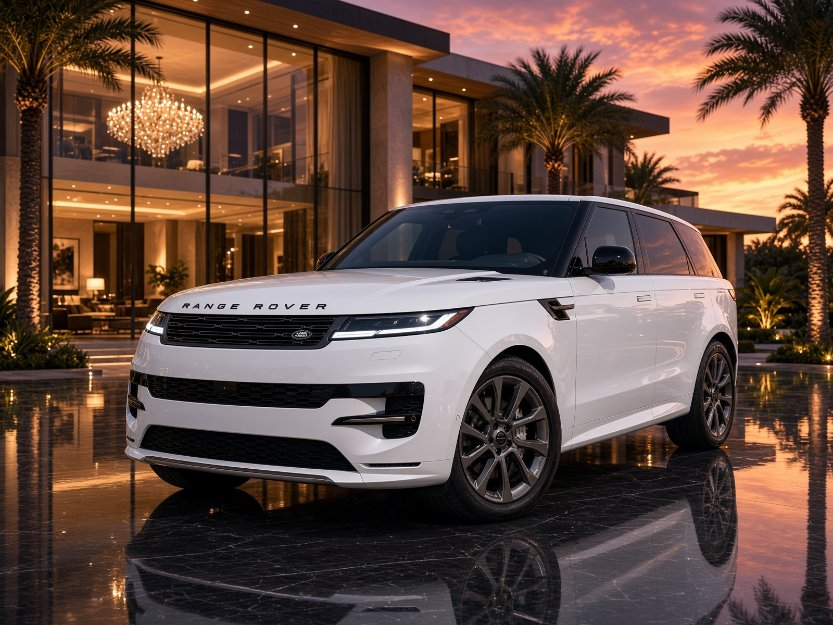
Range Rover GT
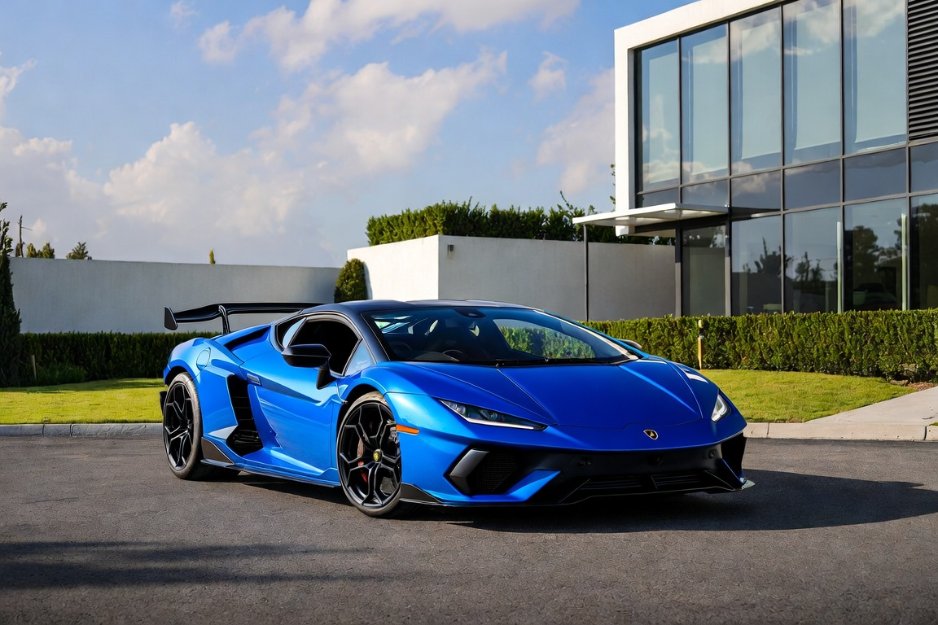
Lamborghini Temerario
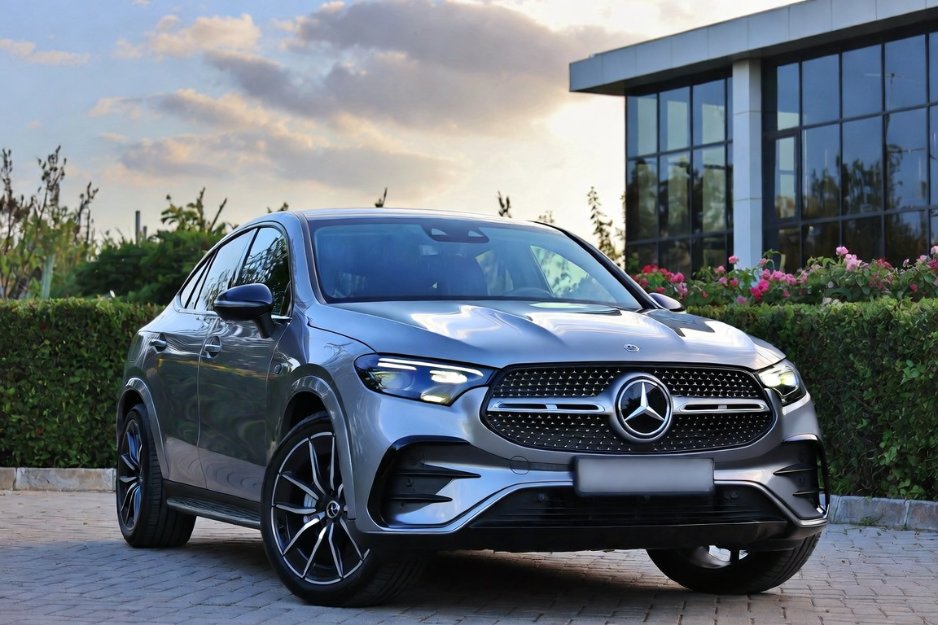
Mercedes-Benz GLC Electric
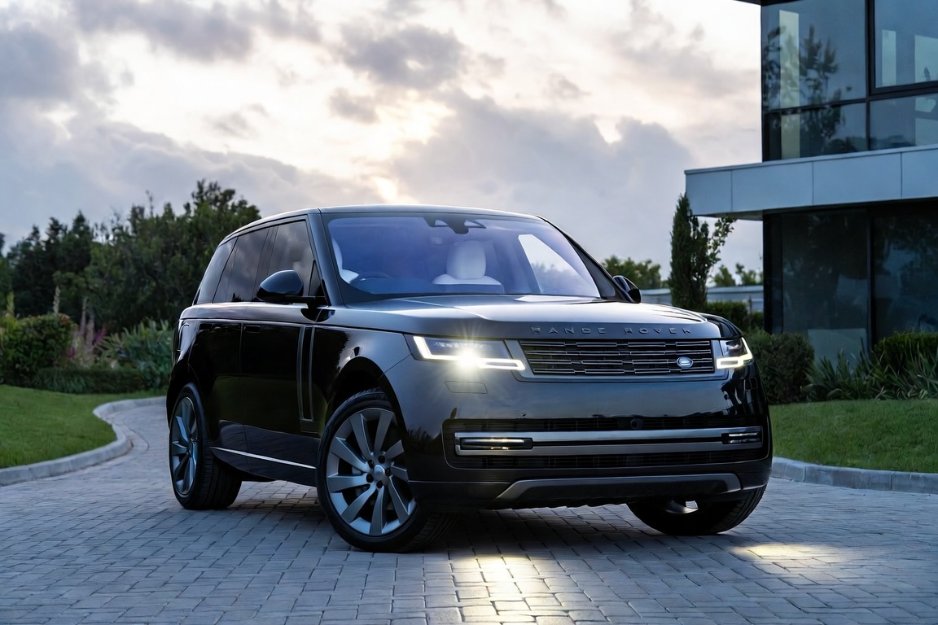
Range Rover Electric
Few luxury SUVs carry the cultural influence of Range Rover. Now, the marque is moving into an important new chapter with its first fully electric Range Rover.
The Range Rover Electric is designed to preserve the refinement, capability, and commanding presence associated with the brand while introducing an all-electric powertrain.
JLR has confirmed that the Range Rover Electric and Range Rover Sport Electric are among its forthcoming products. The company is also pursuing a flexible strategy that will allow Range Rover, Defender, and Discovery to offer multiple propulsion technologies.
This approach reflects an important shift within luxury automotive.
Electric vehicles no longer need to look or feel radically different from traditional luxury automobiles. Instead, manufacturers are working to make electrification feel like a natural extension of the luxury experience.
For Range Rover, that means combining quiet electric performance with a cabin designed around comfort and refinement.
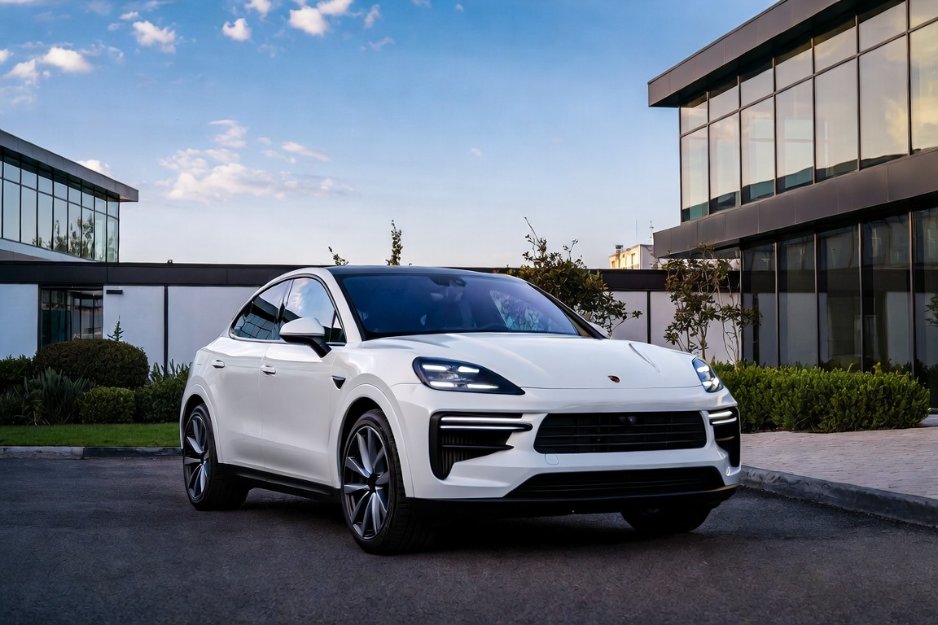
Porsche Cayenne Electric
Porsche is bringing its performance philosophy into the electric luxury SUV segment with the Cayenne Electric.
The model represents an important development for Porsche because the Cayenne has become one of the brand’s most important luxury vehicles.
The electric version aims to combine the practicality of an SUV with the performance and driving character expected from Porsche.
This transition is significant because luxury buyers increasingly expect electric vehicles to deliver more than efficiency.
They want acceleration, sophisticated chassis technology, premium materials, long-distance capability, and an emotional driving experience.
The Cayenne Electric is therefore part of a much larger transformation occurring across the luxury automotive industry. Current 2026 launch information places the model among the year’s significant new luxury EV arrivals.
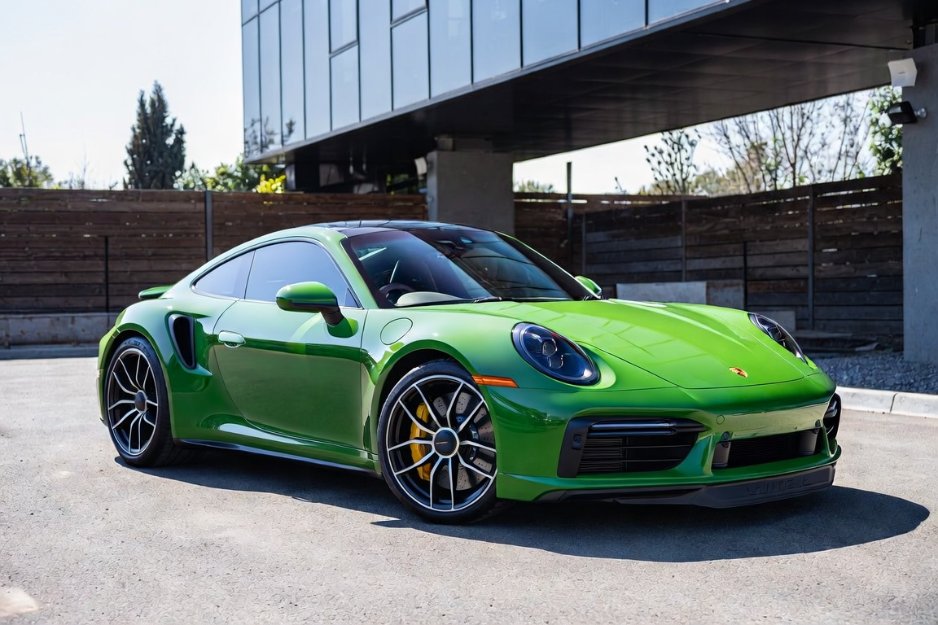
Porsche 911 Turbo S
While electric vehicles are transforming the industry, Porsche continues to evolve one of the world’s most recognizable sports cars.
The 911 Turbo S represents the next stage of Porsche’s performance philosophy, combining the unmistakable 911 silhouette with electrified performance technology.
The move toward hybridization is particularly noteworthy.
Rather than abandoning performance traditions, Porsche is using electrification to enhance them.
That philosophy illustrates where the high-performance market is heading. Hybrid technology can provide additional power and instantaneous electric assistance while allowing manufacturers to retain the character of powerful combustion engines.
For enthusiasts, that combination may prove particularly compelling.
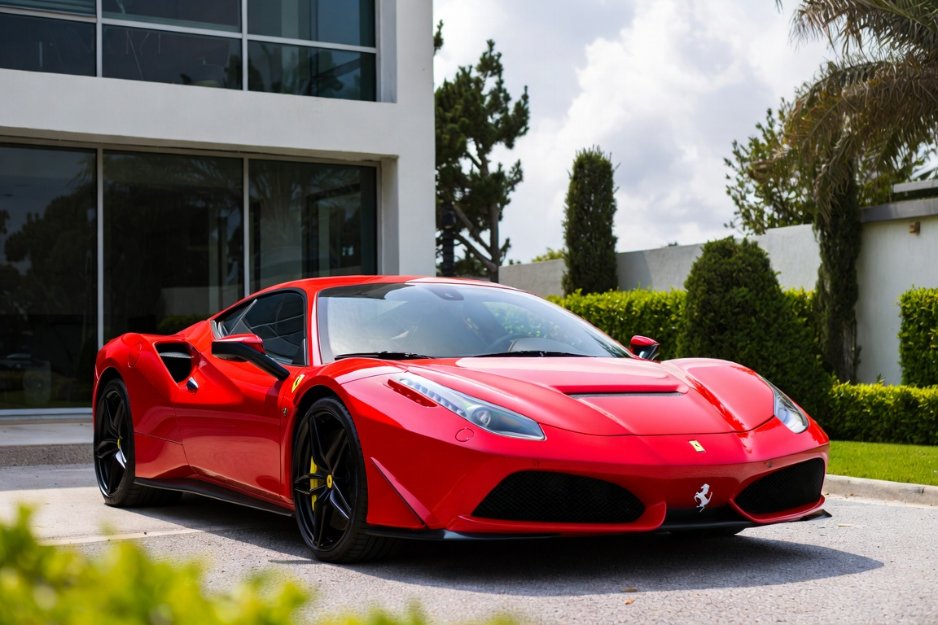
Ferrari’s Next Generation of Luxury Performance
Ferrari continues to occupy a unique position within the luxury automotive world.
The marque entered 2026 with an increasingly diverse portfolio that includes V12 models, hybrid performance cars, and its first fully electric model in development.
Ferrari’s 2025 product launches included the 296 Speciale, 296 Speciale A, Amalfi, 849 Testarossa, 849 Testarossa Spider, and the Ferrari Luce. The company identified the Luce as its first fully electric model, with its interior revealed in February 2026.
This evolution demonstrates that Ferrari is not simply responding to electrification.
It is attempting to reinterpret performance for a new era.
The result is a fascinating period for Ferrari collectors and enthusiasts. The marque’s traditional V12 lineage remains important, while hybrid and electric technology are opening entirely new possibilities.
Range Rover GT
Another intriguing addition to the Range Rover family is the new Range Rover GT.
Revealed in July 2026, the model introduces a grand-tourer interpretation of the Range Rover formula. Its design emphasizes a sleek silhouette, coupé-like proportions, long-distance comfort, and a sophisticated interior.
Inside, Range Rover is emphasizing a calm and minimalist environment with tactile materials, concealed technology, and generous second-row space.
The Range Rover GT demonstrates how luxury manufacturers are expanding beyond traditional vehicle categories.
Rather than simply creating another SUV, the brand is creating a vehicle designed around a particular lifestyle.
Lamborghini Temerario
Lamborghini is another Italian marque embracing electrification without abandoning its dramatic personality.
The Temerario represents the replacement for the Huracán and brings a plug-in hybrid powertrain to Lamborghini’s high-performance lineup.
The vehicle combines a twin-turbocharged V8 with electric motors, creating an approach that allows Lamborghini to pursue extraordinary performance while meeting the changing demands of modern automotive engineering.
For luxury buyers, this is an important trend.
The future of the supercar is increasingly becoming electrified without necessarily becoming less exciting.
Instead, electric motors are providing manufacturers with new ways to deliver acceleration, traction, and performance.
Mercedes-Benz GLC Electric
Mercedes-Benz is also expanding its electric luxury portfolio in 2026.
The GLC Electric is among the significant new luxury EVs expected during the year, bringing Mercedes-Benz design and technology into an increasingly competitive electric SUV market.
The significance of the model extends beyond the vehicle itself.
The GLC name is already familiar to luxury buyers, making an electric version an important bridge between traditional Mercedes-Benz customers and the next generation of electric mobility.
For many luxury consumers, familiarity matters.
An electric vehicle that retains the design language, comfort, technology, and prestige associated with an established luxury marque can make the transition to EV ownership feel considerably more natural.
The Luxury SUV Continues to Evolve
Luxury SUVs remain one of the most important categories in the automotive market.
Yet the definition of a luxury SUV is changing.
Today’s buyers increasingly expect exceptional road manners, sophisticated interiors, advanced driver assistance, powerful performance, and increasingly efficient powertrains.
The latest Range Rover models illustrate this evolution particularly well.
The Range Rover SV Ultra, introduced in 2026, adds an even more exclusive interpretation of the flagship SUV. Its technology includes SV Electrostatic Sound, Body and Soul Seats, and a Sensory Floor designed to create a more immersive cabin experience.
This points toward a broader luxury trend.
The cabin is becoming an experience rather than simply a place to sit.
Technology Is Becoming Part of the Luxury Experience
The most impressive new luxury vehicles are increasingly defined by what happens inside the cabin.
Automakers are investing heavily in:
- Immersive audio
- Advanced displays
- Personalized climate systems
- Premium seating
- Wellness technology
- Advanced driver assistance
- Intelligent connectivity
- Bespoke materials
- Ambient lighting
- Custom configuration
Consequently, luxury is becoming more experiential.
A vehicle can now function as a private lounge, entertainment space, office, wellness environment, and high-performance machine.
That evolution is especially important as electric powertrains create quieter cabins and give designers greater freedom with vehicle architecture.
Hybrid Performance Is Finding Its Place
Perhaps the most interesting development of 2026 is the continued growth of high-performance hybrid vehicles.
For years, enthusiasts often viewed electrification as a threat to traditional performance cars.
Luxury manufacturers are now demonstrating another possibility.
Electric motors can complement combustion engines rather than replace them immediately.
This can deliver instantaneous torque, additional traction, greater performance, and improved efficiency.
The Porsche 911 Turbo S and Lamborghini Temerario illustrate two different interpretations of this philosophy.
Meanwhile, Ferrari continues developing a portfolio that includes V12, hybrid, and electric technology.
The result is a transitional era in which collectors can experience multiple generations of automotive engineering simultaneously.
The Return of Exclusivity
At the highest levels of luxury automotive, exclusivity remains one of the strongest attractions.
Limited production, bespoke specifications, special editions, and one-off commissions can transform a vehicle from an automobile into a collectible object.
Porsche demonstrated this philosophy at Monterey Car Week 2026 with its one-off Flachbau RS and a North America-exclusive 911 Carrera S featuring a six-speed manual transmission.
The appeal is obvious.
Luxury buyers increasingly want personalization.
They are not necessarily looking for the same vehicle as everyone else. Instead, they want something that reflects individual taste.
This is where bespoke automotive programs become particularly important.
What Luxury Buyers Want From Their Next Vehicle
The modern luxury buyer is looking for more than horsepower.
Performance remains important, but it is only one part of the equation.
Today’s most desirable luxury vehicles combine several elements:
Performance: Exceptional acceleration, handling, and power.
Design: Distinctive proportions and instantly recognizable styling.
Technology: Intelligent systems that improve convenience and connectivity.
Comfort: First-class materials, seating, acoustics, and climate control.
Personalization: Extensive choices of colors, materials, finishes, and specifications.
Exclusivity: Limited editions, special models, or highly customized configurations.
Innovation: Electric and hybrid technology that enhances the driving experience.
The brands succeeding in 2026 are increasingly those that can combine all seven.
The Future of Luxury Automotive
The most anticipated luxury vehicles of 2026 reveal an industry in transition.
Electric SUVs are becoming more sophisticated. Hybrid supercars are becoming faster. Traditional sports cars are adopting new technology. Meanwhile, established luxury marques are investing heavily in personalization and experiential interiors.
Yet one thing remains constant.
Luxury automotive is ultimately about emotion.
The sound of an engine, the feel of a steering wheel, the craftsmanship of a cabin, the shape of a body, and the anticipation of driving something extraordinary still matter.
Technology may change how luxury vehicles move.
It has not changed why people desire them.
For today’s luxury enthusiast, 2026 offers an extraordinary choice: embrace the silent power of electric performance, experience the flexibility of hybrid engineering, or continue celebrating the mechanical traditions that made luxury automobiles legendary.
The most exciting vehicles may ultimately be those that bring these worlds together.
Because the future of luxury driving is not necessarily about choosing between tradition and innovation.
It is about discovering what happens when the two meet.