


A Luxury Investment Perspective
Rare automobile collecting represents a fascinating intersection of luxury, automotive heritage, craftsmanship, and financial opportunity. For discerning collectors, owning an exceptional vehicle means much more than possessing an expensive car. It offers a tangible connection to automotive history, groundbreaking engineering, and some of the world’s most celebrated manufacturers.
From limited-production Ferraris to historically significant Aston Martins and meticulously preserved vintage Porsches, rare automobiles occupy a distinctive place in the luxury collectibles market.
However, behind the polished exteriors and prestigious auction rooms lies a sophisticated business. Collectors must understand provenance, authenticity, market demand, restoration costs, and long-term preservation.
Unlike conventional investments, collectible automobiles also deliver an emotional reward. They can be admired, exhibited, driven, and shared with future generations.
Understanding the business behind these extraordinary machines reveals why rare automobile collecting continues to captivate luxury enthusiasts worldwide.
Key Takeaways
-
Rare automobile collecting combines luxury and investment potential, attracting collectors who appreciate exclusivity, engineering, and automotive heritage.
-
Scarcity, provenance, and historical significance influence value, making documented ownership and limited production especially desirable.
-
Authenticity and condition are critical, with original components, restoration quality, and maintenance records affecting market appeal.
-
Prestigious auctions and private dealers shape the collector market, connecting exceptional vehicles with qualified buyers.
-
Ownership involves substantial ongoing expenses, including insurance, climate-controlled storage, transportation, and specialized maintenance.
-
Collector preferences and market trends affect resale values, meaning appreciation is possible but never guaranteed.
-
Successful collections balance passion with financial discipline, prioritizing quality, historical importance, and long-term preservation.
1. Why Rare Automobiles Have Become Luxury Collectibles
The appeal of rare automobiles extends far beyond transportation. These vehicles represent artistic expression, engineering achievement, and important chapters in automotive history.
Many exceptional collector cars were produced in limited quantities. Others became desirable because of their racing achievements, innovative technology, or association with influential individuals.
For example, a historically significant Ferrari may attract attention for its racing pedigree. Meanwhile, a vintage Rolls-Royce may appeal to collectors who value coachbuilding and craftsmanship.
Unlike contemporary production vehicles, certain historic automobiles cannot be easily replicated. Their scarcity creates a sense of exclusivity that appeals to luxury collectors.
Furthermore, owning a rare automobile provides an experience that traditional financial assets cannot offer. Collectors can participate in prestigious automotive events, attend private exhibitions, and connect with enthusiasts who share their appreciation for exceptional machines.
Ultimately, the appeal combines emotional satisfaction with the possibility of long-term financial value.
2. What Determines the Value of a Rare Automobile?
Not every vintage or expensive automobile becomes a valuable collectible.
Several characteristics distinguish truly desirable vehicles from ordinary used luxury cars.
Rarity and Production Numbers
Scarcity is one of the most recognizable factors influencing collector demand.
Automobiles produced in exceptionally small quantities may command significant premiums, particularly when their designs or engineering achievements remain historically important.
However, rarity alone does not guarantee value. A vehicle must also attract sustained interest from collectors.
Provenance and Ownership History
Provenance refers to a vehicle’s documented history, including previous ownership, competition records, restoration work, and significant events.
A car with verified racing achievements or an association with a prominent historical figure may attract greater attention than a comparable vehicle without such documentation.
Original factory records, photographs, registration documents, and historical correspondence can strengthen a vehicle’s credibility.
Originality and Condition
Collectors often place considerable importance on original components, factory specifications, and authentic finishes.
A carefully preserved automobile may command a premium when its condition reflects exceptional originality.
However, professionally restored vehicles can also be highly desirable, particularly when restoration work follows historically accurate specifications.
The relationship between originality and restoration depends on the particular model and the expectations of its collector market.
Cultural and Historical Significance
Certain automobiles become icons because they represent turning points in design, motorsport, or engineering.
Vehicles associated with major racing victories, groundbreaking innovations, or influential design movements may retain special appeal across generations.
Together, these factors help establish the desirability and potential market value of a rare automobile.
3. The Business Behind Prestigious Collector Car Auctions
Prestigious automobile auctions play an influential role in the luxury collector market. Events attract enthusiasts, private investors, specialist dealers, and automotive historians seeking exceptional vehicles.
Auction houses such as RM Sotheby’s and Gooding & Company have built reputations around presenting historically significant automobiles.
However, the auction business involves more than displaying rare cars to wealthy bidders.
Specialists research vehicle histories, coordinate inspections, prepare catalogs, arrange transportation, and market exceptional automobiles to prospective buyers.
How Auction Prices Are Established
Auction houses typically establish estimates based on comparable sales, condition, rarity, provenance, and collector demand.
During bidding, competition between buyers may push the final price above expectations. Conversely, limited interest can result in disappointing offers or an unsold vehicle.
The winning bid, known as the hammer price, does not necessarily represent the buyer’s total expense.
Buyer’s premiums, taxes, transportation, and other applicable charges can significantly increase acquisition costs. Auction terms vary by event.
Private Sales and Exclusive Dealerships
Not every valuable automobile reaches a public auction.
Many transactions occur through specialist dealerships, private brokers, and established collector relationships.
Private sales can offer greater discretion, allowing buyers and sellers to negotiate confidentially.
This approach particularly appeals to collectors who prioritize privacy or wish to acquire vehicles unavailable through conventional channels.
Consequently, relationships and industry knowledge are important assets within the rare automobile business.
4. Rare Automobile Collecting as an Alternative Investment
For some enthusiasts, rare automobile collecting represents an alternative investment strategy.
Unlike stocks or bonds, collector vehicles are tangible assets with aesthetic, historical, and emotional value.
However, their financial performance depends on numerous factors.
Market demand, economic conditions, generational preferences, and vehicle-specific characteristics all influence prices.
A desirable model may appreciate substantially during one period before experiencing a correction when collector tastes change.
Furthermore, collectible automobiles are relatively illiquid. Selling a highly specialized vehicle may require significant time, professional marketing, and access to qualified buyers.
Understanding Collector Car Market Values
Professional valuation resources can help collectors evaluate historical prices and comparable transactions.
For example, Hagerty tracks auction results, private transactions, dealer activity, and vehicle condition.
Its valuation system also distinguishes between different condition grades, recognizing that two examples of the same model may command dramatically different prices.
Nevertheless, historical appreciation does not guarantee future returns.
A financially disciplined collection accounts for acquisition expenses, insurance, maintenance, storage, restoration, and selling costs.
The strongest collecting strategies generally combine informed purchasing decisions with genuine enthusiasm for the automobiles themselves.
5. The Luxury Brands That Define Automobile Collecting
Certain automotive manufacturers occupy particularly prestigious positions within the collector market.
Their appeal often reflects distinctive engineering, historical achievements, recognizable designs, and limited production.
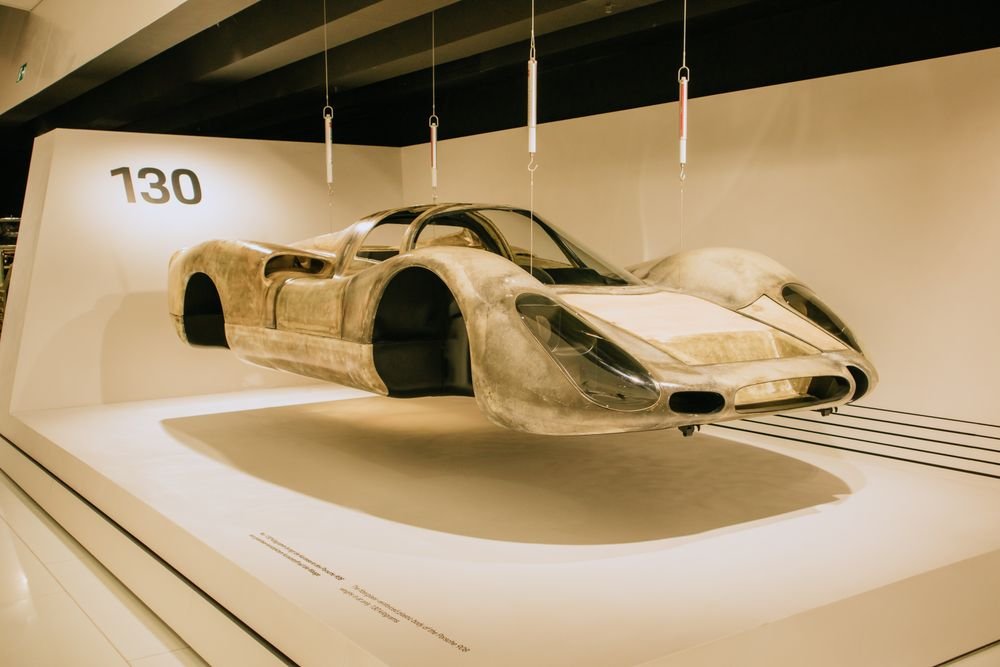
Historic Bugattis represent exceptional coachbuilding, artistic design, and engineering ambition. Their rarity contributes to their prestige.
While these marques enjoy considerable recognition, the individual vehicle remains more important than the badge alone.
Production history, originality, documentation, and condition ultimately distinguish an exceptional collector automobile.
6. The Hidden Costs of Owning Rare Luxury Automobiles
Acquiring a rare automobile represents only the beginning of the financial commitment.
Unlike ordinary vehicles, historic collector cars may require specialized maintenance, carefully controlled storage, and access to hard-to-find components.
Specialized Maintenance and Restoration
Older performance vehicles often feature mechanical systems that require expertise unavailable at conventional repair facilities.
Specialist technicians may be needed to maintain engines, transmissions, braking systems, and historically accurate components.
Restoration can become particularly expensive when original parts are scarce or require custom fabrication.
Additionally, excessive restoration may reduce desirability when collectors place a premium on originality.
Climate-Controlled Storage
Temperature fluctuations, humidity, dust, and prolonged inactivity can damage valuable automobiles.
Consequently, serious collectors often invest in secure storage facilities with appropriate environmental controls.
These facilities may include battery maintenance, vehicle monitoring, fire protection, and specialized security systems.
Insurance and Transportation
High-value collector automobiles often require specialized insurance arrangements that reflect their unique characteristics.
Transporting these vehicles also demands considerable care, particularly when attending international auctions or prestigious exhibitions.
Enclosed transportation, professional handling, and suitable transit insurance can help reduce exposure to damage.
These ongoing expenses illustrate why successful collecting requires careful financial planning.
7. How Authenticity Protects a Collector’s Investment
Authenticity is one of the most important considerations in rare automobile collecting.
A vehicle’s appearance may be impressive, but its documented history can be equally significant.
Collectors frequently examine chassis numbers, engine specifications, factory records, restoration documentation, and ownership history.
For certain models, matching identifying numbers and original components can materially affect desirability.
Independent specialists may also inspect mechanical condition and investigate inconsistencies between documentation and the vehicle itself.
A comprehensive pre-purchase inspection can reveal problems that are not apparent during a casual viewing.
8. The Importance of Documentation
A well-organized historical record strengthens confidence in an automobile’s identity and condition.
Maintenance invoices, period photographs, original manuals, registration records, and restoration reports can all contribute valuable information.
For collectors considering future resale, reliable documentation also makes it easier to communicate the vehicle’s history to prospective buyers.
In the luxury automobile market, credibility is a valuable asset.
9. The Social Prestige of Luxury Automobile Collecting
Rare automobile collecting also offers access to a distinctive international community.
Prestigious automotive gatherings bring together collectors, designers, historians, restoration specialists, and luxury enthusiasts.
Events such as the Pebble Beach Concours d’Elegance and Concorso d’Eleganza Villa d’Este celebrate automotive excellence through carefully curated displays.
For collectors, participation can provide opportunities to showcase exceptional vehicles and build relationships with other enthusiasts.
These experiences often extend beyond the automobiles themselves.
Private hospitality, luxury travel, exclusive gatherings, and meaningful personal connections contribute to the appeal of the collector lifestyle.
Moreover, collecting can become a family tradition. Vehicles may be passed between generations, preserving personal memories alongside automotive heritage.
For many enthusiasts, this emotional significance outweighs financial considerations.
10. Building a Rare Automobile Collection with Long-Term Value
An exceptional automobile collection rarely develops through impulsive purchases.
Successful collectors often establish a clear vision based on particular manufacturers, historical periods, design movements, or motorsport achievements.
Some concentrate on vintage European grand tourers. Others specialize in limited-production supercars or historically significant racing automobiles.
A focused approach can create a collection with greater historical coherence and personal meaning.
Quality Over Quantity
Owning a smaller number of exceptional automobiles may be more satisfying than acquiring numerous vehicles with uncertain histories.
Carefully selected examples with strong documentation and desirable specifications can also be easier to evaluate and maintain.
Understanding Market Demand
Collector preferences evolve as new generations enter the market.
Vehicles once considered ordinary may become desirable as enthusiasts develop nostalgia for the automobiles of their youth.
Meanwhile, some established classics may experience changing demand.
Researching comparable transactions and broader market conditions helps distinguish enduring desirability from temporary enthusiasm.
Preserving the Collection
Long-term ownership requires a commitment to proper maintenance and preservation.
Regular inspections, appropriate storage, careful documentation, and professional advice can help protect valuable vehicles.
Ultimately, the most rewarding collections reflect a balance between historical appreciation, financial awareness, and personal passion.
10. The Future of Luxury Automobile Collecting
The rare automobile market continues to evolve as technology, consumer preferences, and collecting habits change.
Modern limited-production supercars are attracting attention alongside established historic classics.
Meanwhile, digital auction platforms have expanded access to collector vehicles, allowing enthusiasts to participate in transactions beyond traditional auction venues.
Advances in authentication, historical research, and digital documentation may also improve transparency.
However, the fundamental appeal of exceptional automobiles remains unchanged.
Collectors continue to value extraordinary design, mechanical innovation, craftsmanship, and the stories behind historically significant vehicles.
As automotive technology advances, the preservation of important combustion-engine vehicles may gain additional cultural significance.
For enthusiasts, these machines represent more than a mode of transportation. They preserve important achievements in design and engineering.
Conclusion: Where Luxury, Passion, and Investment Meet
Rare automobile collecting represents one of the most distinctive expressions of luxury ownership.
It combines extraordinary craftsmanship, historical significance, exclusivity, and the possibility of financial appreciation.
However, the business demands more than enthusiasm and purchasing power.
Successful collectors understand market values, investigate provenance, evaluate authenticity, and account for substantial ownership expenses.
They also recognize that not every rare automobile will become a profitable investment.
Ultimately, the greatest collections celebrate automotive excellence while preserving extraordinary vehicles for future generations.
The true luxury of rare automobile collecting lies not simply in owning something valuable, but in preserving something exceptional.