


Key Takeaways
- Build your New York City day around one primary skyline experience instead of trying to visit multiple distant viewpoints.
- Choose the type of view you want first, whether it is a classic skyline, waterfront, street-level architecture, sunset, or a quieter outdoor setting.
- Stay within one main neighborhood or district and pair the central view with only two or three nearby experiences.
- Consider the time of day carefully, as morning, sunset, blue hour, and nighttime each create a different view of the city.
- Check weather, visibility, and transit conditions before leaving, since clouds, haze, wind, rain, and service changes can affect your plans.
- Balance sightseeing with nearby parks, museums, cafés, markets, historic streets, or relaxed dining.
- Leave extra time around timed attractions and sunset plans for security, lines, transit delays, and crowds.
- Pack comfortable shoes, water, a portable charger, sun protection, and an extra layer for exposed or waterfront locations.
- Keep a simple backup plan in the same neighborhood in case weather or unexpected delays change the itinerary.
- Most importantly, avoid overplanning. A memorable New York City skyline day should leave enough time to walk, explore, enjoy the views, and experience New York City at a relaxed pace.
Why a Skyline-Focused Day Works
New York City can make even a short list of attractions feel overwhelming. A single theme helps narrow the choices. Once you decide that the day is about city views, architecture, waterfront space, or sunset light, it becomes easier to choose where to walk, where to eat, and which attractions are worth fitting in.
Rather than crossing the city repeatedly, select one main viewpoint and build outward from it. A Midtown route can emphasize avenues, landmark architecture, and public spaces. Lower Manhattan can combine dense streets with harbor views. Brooklyn can offer a bridge-and-park atmosphere. An Upper Manhattan plan may pair green space with museums and elevated perspectives.
Choose the Type of New York City View You Want
Before selecting a location, decide what you hope to see and how you want the experience to feel. This choice should guide the whole route.
- Classic skyline: Choose this for dense building clusters, recognizable towers, and broad city panoramas.
- Waterfront view: Choose this for open horizons, bridges, ferries, reflections, and room to breathe.
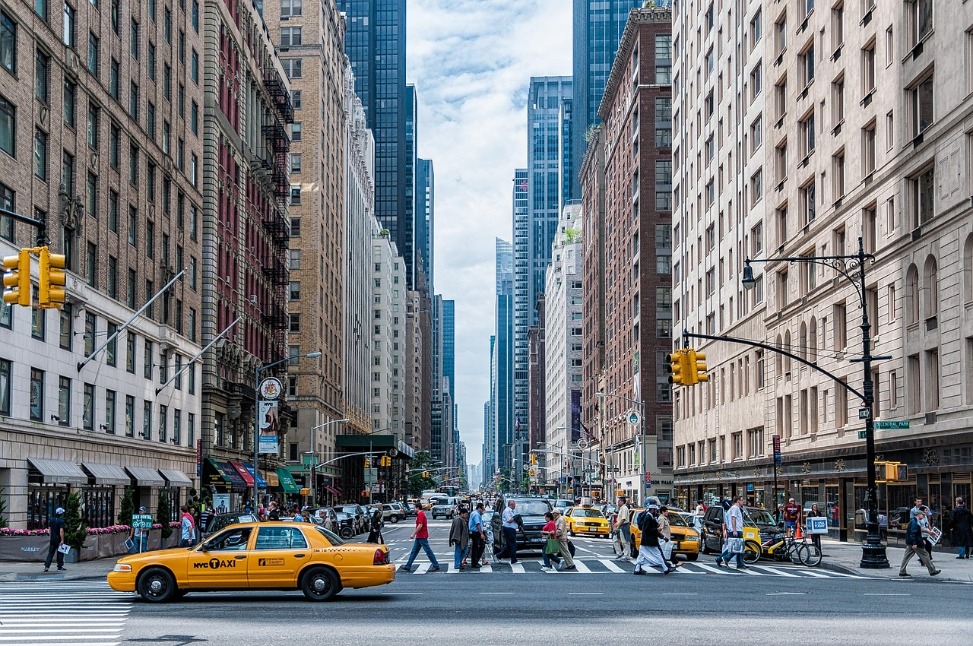
- Street-level architecture: Choose this for dramatic building scale, historic facades, and changing views between blocks.
- Sunset or blue hour: Choose this if watching daylight shift into evening matters more than avoiding crowds.
- Quiet outdoor view: Choose this for promenades, parks, benches, and a slower pace.
A skyline-focused day gives a New York City visit a clear purpose without requiring an hour-by-hour race across Manhattan, Brooklyn, Queens, the Bronx, and Staten Island. Families can also use listings for family events in NYC to shape a day around an activity that suits different ages, then add a nearby walk or city view before dinner.
The best skyline itinerary is not necessarily the one with the highest number of stops. It is the one that gives you time to notice the changing light on building facades, pause in a neighborhood that feels lively, and adjust when the city delivers an unexpected delay or discovery.
Build the Route Around One Main Area
A practical itinerary starts with geography, not a wish list. Pick a neighborhood or district, choose the day’s primary view, and then add only two or three nearby experiences. This approach reduces backtracking and protects time for meals, restrooms, photo stops, and slower walkers.
- Choose a primary area, such as Midtown, Lower Manhattan, the Brooklyn waterfront, or Upper Manhattan.
- Decide on one main view that gives the day its anchor.
- Add a park, museum, historic street, market, or relaxed meal within the same general area.
- Save one flexible stop that can be skipped without affecting the day.
- Finish near a transit option that makes the return to your hotel straightforward.
Pick the Best Time of Day
Early Morning
An early start can make a walking route feel more manageable before the day becomes busy. Morning light can also be useful for travelers who prefer an outdoor view before museum visits, shopping, or indoor plans.
Late Afternoon, Sunset, and Evening
Late afternoon works well when you want an indoor break earlier in the day and a view later on. Sunset brings warmer tones and a visible transition into evening, while night views emphasize illuminated windows, traffic, bridges, and the rhythm of the city. Arrive with extra time if the experience has timed entry, security screening, or limited space.
Check Weather, Visibility, and Transit Before Leaving
A forecast that looks dry does not always promise a sharp long-distance view. Low clouds, humidity, haze, smoke, wind, and sudden rain can change the experience. Review conditions on the day of your visit, wear a layer for exposed outdoor areas, and keep an indoor alternative in the same neighborhood.
Transit planning deserves the same attention. Weekend work, station changes, and service adjustments can affect a carefully timed route, so check planned service changes before committing to a cross-city transfer or a tightly scheduled sunset arrival.
Pair the Main View With Nearby Experiences
A memorable skyline day has variety. Pair the central view with one contrasting experience so that the schedule feels balanced rather than repetitive. A waterfront walk can follow a museum visit. A historic district can lead to a casual meal. A park bench, gallery, market, or architectural walk can offer a welcome pause between sightseeing moments.
Keep the final activity simple. Dinner nearby or a short evening walk is usually more satisfying than adding a second major attraction that sends everyone across the city when feet and phone batteries are already fading.
Use Events Without Letting Them Take Over
Major public events can change crowd patterns, street activity, and transit demand. Before booking timed tickets or choosing a neighborhood, review the city’s events and festivals calendar for plans that may affect your travel dates. If a large gathering overlaps with your preferred area, either arrive earlier, add more travel time, or choose another neighborhood for the day.
Pack for Walking, Wind, and Flexibility
- Wear comfortable shoes that can handle several hours on sidewalks and park paths.
- Carry water, a small snack, and a portable charger for maps, tickets, and photos.
- Bring sunglasses and sunscreen for daytime outdoor plans.
- Pack a light layer for waterfronts, elevated spaces, or cooler evenings.
- Check bag rules and reservation details before visiting any timed attraction.
Sample Skyline Day Plan
Morning: Start on Foot
Begin with a neighborhood walk, public park, historic street, or waterfront path. Let this portion stay flexible, especially if you are still adjusting to weather or transit conditions.
Afternoon: Add an Indoor Break
Choose one museum, gallery, café, market, or architectural landmark. This gives the group time to rest before the main outdoor viewing period.
Evening: Settle Into the Main View
Arrive early enough to orient yourselves, use facilities, and enjoy the scene before reaching for the camera. Watching the light change is often more rewarding than treating the stop as a quick photo assignment.
Common Planning Mistakes to Avoid
- Trying to visit multiple distant viewpoints in a single day.
- Underestimating walking time, transfers, elevators, and entry lines.
- Planning only for photographs and forgetting meals, breaks, and weather changes.
- Arriving at sunset with no backup for crowding or poor visibility.
- Creating an itinerary with no easy stops to skip when the day runs behind.
Final Planning Checklist
- Choose one type of skyline experience and one primary neighborhood.
- Select one main view and two or three nearby supporting stops.
- Check weather, visibility, access rules, reservations, and transit conditions.
- Prepare an indoor or nearby outdoor backup option.
- Pack for walking and leave room for meals, delays, and spontaneous detours.
Conclusion
A skyline-focused day in New York City, New York, does not need an overloaded schedule to feel special. One strong view, a thoughtfully chosen neighborhood, and enough breathing room can create a richer vacation experience than a long list of attractions. Plan for the light, the weather, and the people traveling with you, then leave space for the city to surprise you.